
Bird · GBIF taxon 2475965
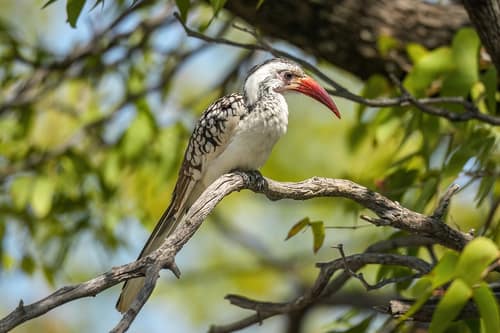
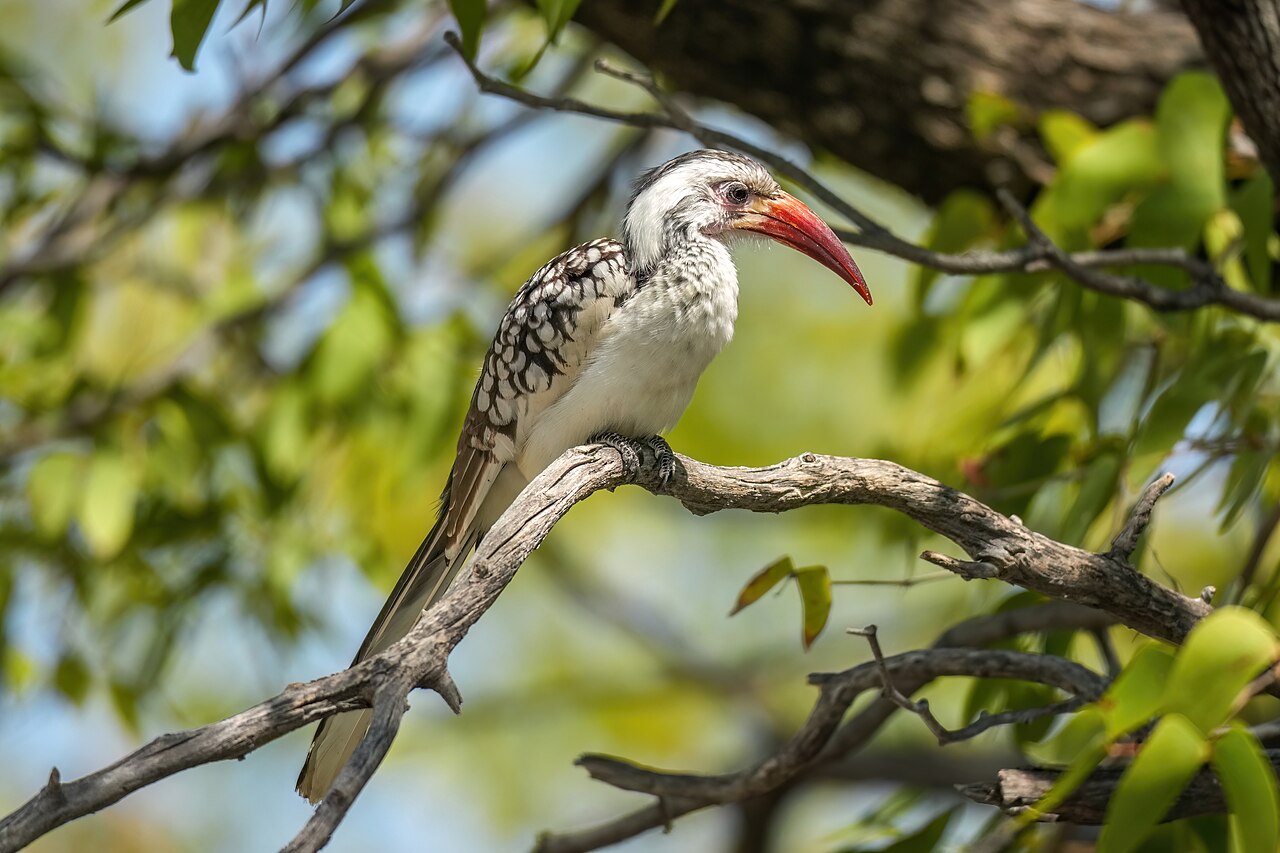
Northern Red-billed Hornbill
Tockus erythrorhynchusAlso known as Red-billed Hornbill
Northern red-billed hornbills spend much of their day hopping across the ground in dry savannas, using their long, curved red bills to unearth hidden insects and small reptiles. During breeding season, females seal themselves inside tree cavities using a paste of mud and droppings, leaving only a small vertical slit through which the male delivers all their food. Their loud, rhythmic chattering calls echo across East African scrublands, often delivered with wings spread and head bowed in territorial displays.
SavannaCavity NesterBird
—observations
—countries
—peak records
Least ConcernConservation statusIUCN Red List categoriesLCNTVUENCREWEXLeast ConcernRed List categories, explained →
Diet & prey
- Beetles
- Grasshoppers
- Small lizards
Predators
- Eagle owls
- Lanner falcon
- Monkeys
ThreatsHabitat loss, deforestation, and loss of large nesting trees
HabitatsArid savanna, thorn scrub, and open dry woodland
Life span15 to 18 years
Size / weightNot available
Classification
- FamilyBucerotidae
- SpeciesTockus erythrorhynchus
Range data is not available yet.
Interaction riskLow
- Low
- Moderate
- High
- Very high
- Why interaction risk is low
- Safe to observe at a normal distance.
Responsible observation
- Observing nests: Keep a respectful distance from active tree cavities during nesting season to avoid scaring foraging males.
- Listening for calls: Scan thorn trees in the early morning for loud, rhythmic display calls.
 Image unavailable
Close Relative Close Relative 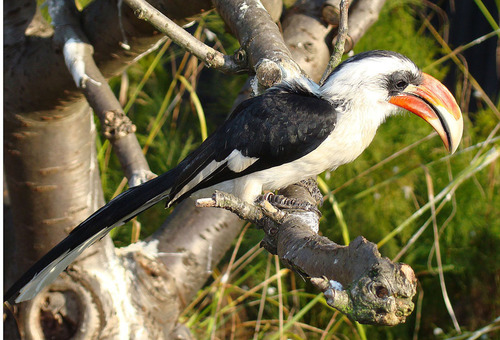
Close Relative (c) Dick Culbert, some rights reserved (CC BY) · cc-by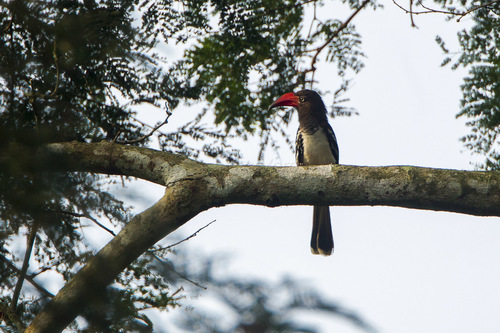
Family Member (c) Francesco Veronesi, some rights reserved (CC BY-SA) · cc-by-sa
Help improve the field guideSomething wrong?
Checking your Fauna account…Report a name, category, or profile issue for review.