
Bird · GBIF taxon 2475916
Wreathed Hornbill
Rhyticeros undulatusAlso known as Bar-pouched Wreathed Hornbill
Wreathed hornbills travel across broad expanses of tropical canopy in vocal, lifelong pairs or small flocks, producing loud, rhythmic wingbeats audible from great distances. Males display a striking yellow inflatable gular pouch with a dark blue stripe, while females feature a deep blue pouch. As key seed dispersers in Asian rainforests, these large birds nest in hollow trunks of ancient trees where the female seals herself inside during incubation.
Canopy DwellerFruit EaterVocal
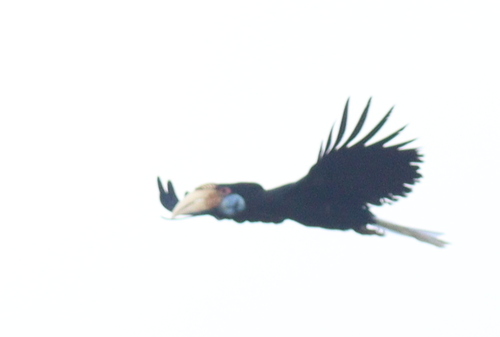
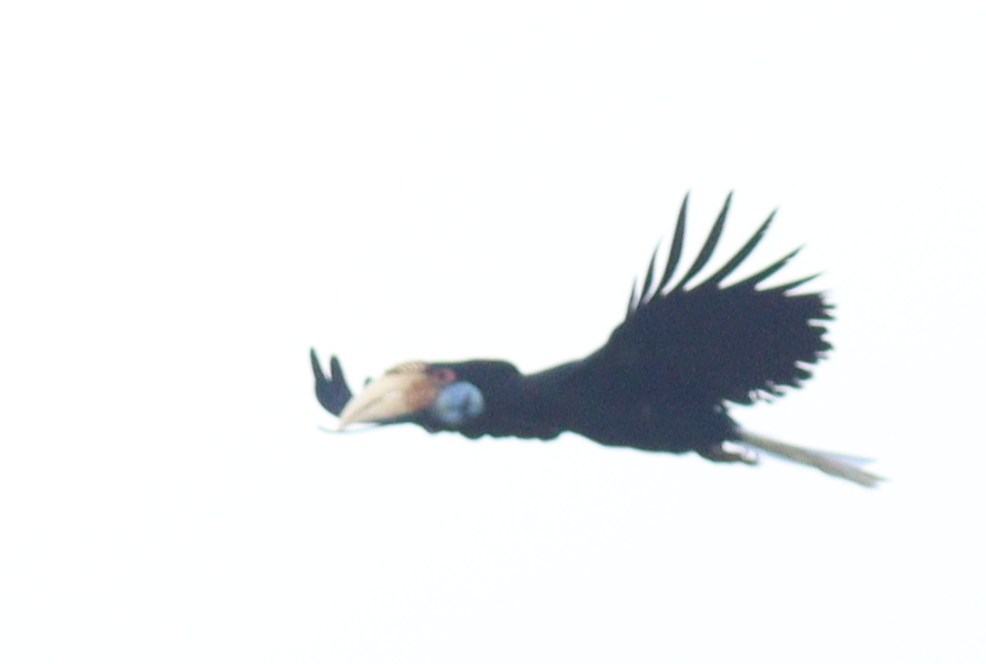
—observations
—countries
—peak records
VulnerableConservation statusIUCN Red List categoriesLCNTVUENCREWEXVulnerableRed List categories, explained →
Diet & prey
- Figs
- Wild fruits
- Insects and small lizards
Predators
- Eagles
- Large pythons
- Arboreal carnivores
ThreatsDeforestation, logging of large nest trees, and poaching
HabitatsEvergreen, semi-evergreen, and primary lowland rainforests
Life span30–40 years
Size / weightNot available
Classification
- OrderBucerotiformes
- FamilyBucerotidae
- GenusRhyticeros
- SpeciesRhyticeros undulatus
Range data is not available yet.
Interaction riskLow
- Low
- Moderate
- High
- Very high
- Why interaction risk is low
- Capable of delivering a painful pinch or bite; observe from a respectful distance.
- What to notice
- Look for the high-canopy profile, pale bill with ridged casque, and distinct bright throat pouch.
- Support conservation
- Keep a wide distance from nesting trees and refrain from using playback calls or flash photography.
Responsible observation
- Listen for Flight: Listen for loud, heavy wingbeats rushing through the high canopy overhead.
- Scan Fruiting Trees: Search large wild fig trees where pairs frequently assemble to feed.
- Maintain Distance: Use optics to observe nesting hollows without causing disturbance.
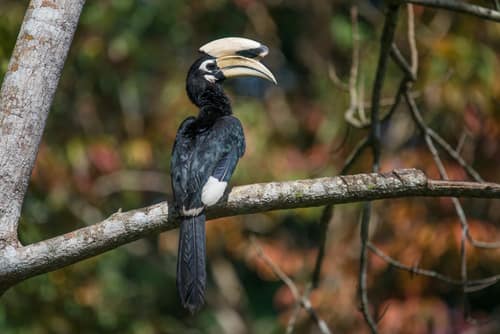
Competitor (c) Rushen, some rights reserved (CC BY-SA) · cc-by-sa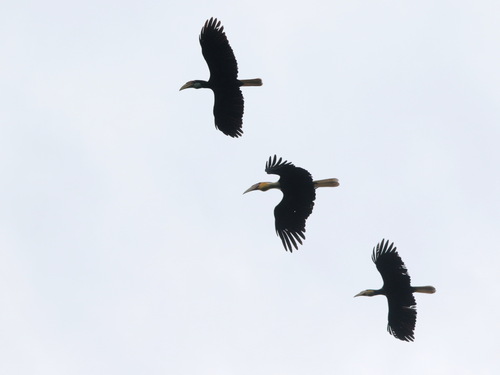
Close Relative (c) Ian Dugdale, some rights reserved (CC BY) · cc-by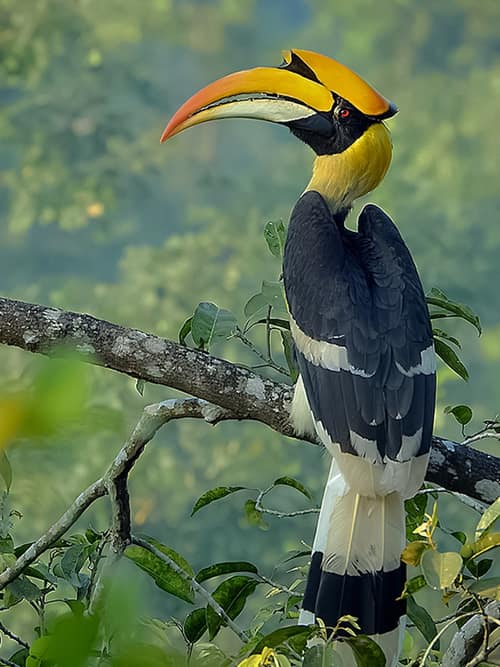
Family Member Shantanu Kuveskar / CC BY-SA 4.0 · cc-by-sa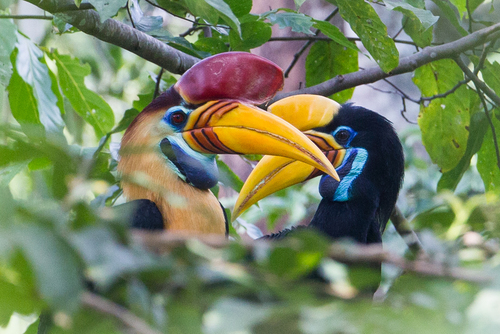
Close Relative (c) Christoph Moning, some rights reserved (CC BY), uploaded by Christoph Moning · cc-by
Help improve the field guideSomething wrong?
Checking your Fauna account…Report a name, category, or profile issue for review.