
Bird
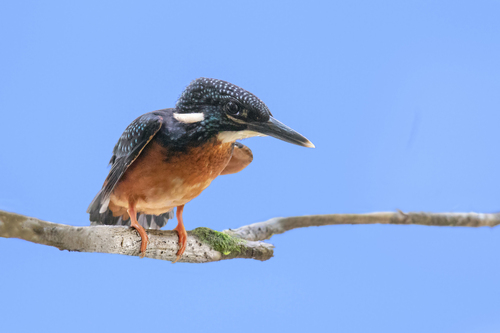
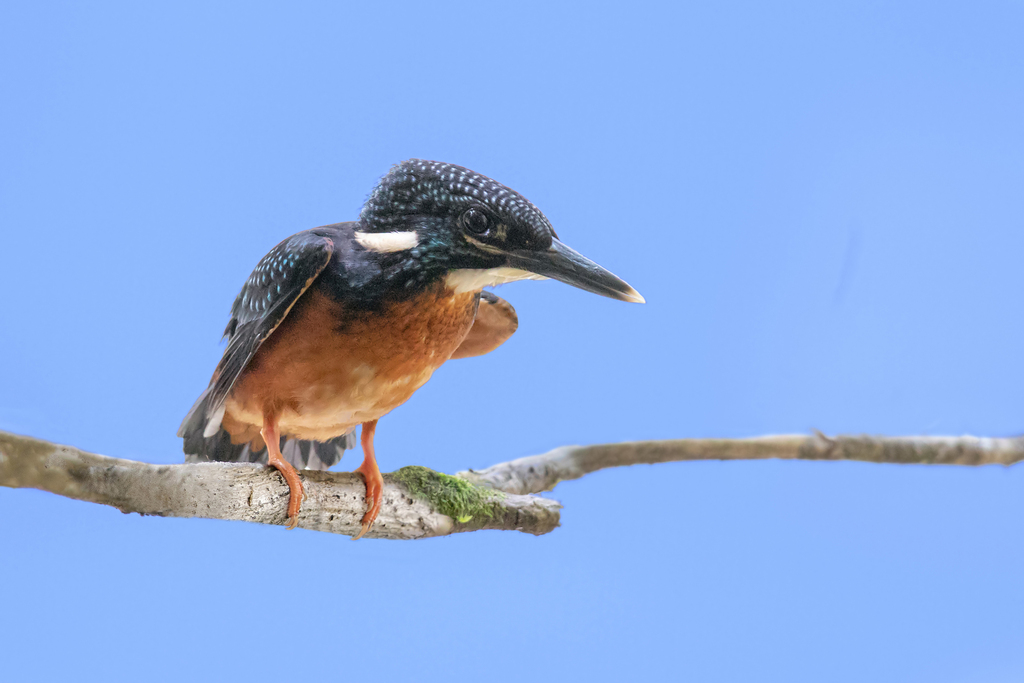
Blyth's Kingfisher
Alcedo herculesAlso known as Great Blue Kingfisher
Blyth's kingfisher patrols shaded, fast-flowing streams deep within evergreen hill forests, perching unobtrusively on overhanging branches before plunging headlong into clear pools. As the heavyweight of its genus, it requires clean, undisturbed waterways rich in small fish and aquatic larvae. Pairs fiercely defend linear river territories, excavating horizontal nesting tunnels into steep earth banks during the pre-monsoon breeding season.
RiparianForest BirdSkulker
—observations
—countries
—peak records
Near ThreatenedConservation statusIUCN Red List categoriesLCNTVUENCREWEXNear ThreatenedRed List categories, explained →
Diet & preySmall freshwater fish, Freshwater crustaceans, Aquatic insect larvae
Predators
- Forest raptors
- Arboreal snakes
- Small mammalian carnivores
ThreatsDeforestation, stream siltation from logging, agricultural runoff, and river damming
HabitatsDense evergreen hill forests along clear, swift-flowing streams and rivers
Life span6–10 years
Classification
- FamilyAlcedinidae
- SpeciesAlcedo hercules
Range data is not available yet.
Interaction riskLow
- Low
- Moderate
- High
- Very high
- Why interaction risk is low
- Safe to observe at a normal distance.
- What to notice
- Look for a stocky, 22 cm kingfisher with rich blue-purple upperparts, rufous belly, and a massive black bill.
- Support conservation
- Maintain ample distance along waterways and never disturb potential riverbank nest tunnels.
Responsible observation
- Observation Strategy: Scan shadowed boughs along undisturbed, fast-flowing hill streams during early morning.
- Quiet Approach: Move slowly along gravel riverbeds to avoid startling this shy and wary bird.
- Disturbance Avoidance: Keep well back from sandy riverbanks during the spring nesting window.
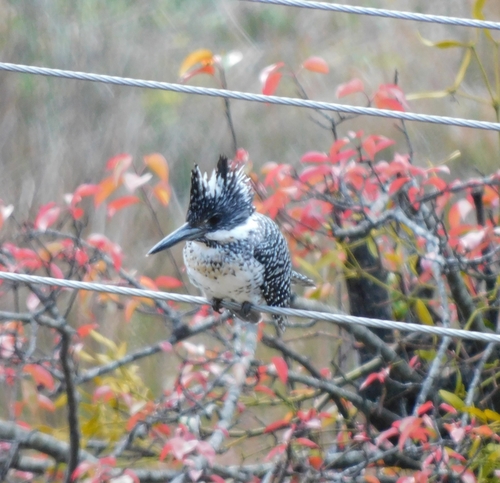
Competitor (c) Jagdish Singh Negi, some rights reserved (CC BY) · cc-by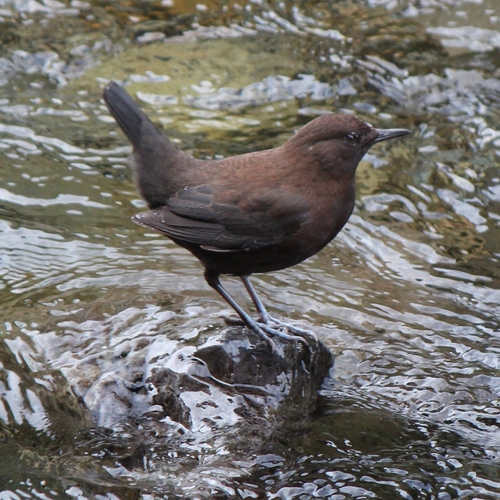
Frequent Companion (c) Alpsdake, some rights reserved (CC BY-SA) · cc-by-sa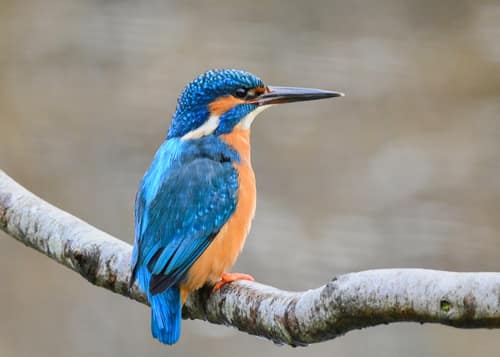
Close Relative (c) Frank Sengpiel, some rights reserved (CC BY), uploaded by Frank Sengpiel · cc-by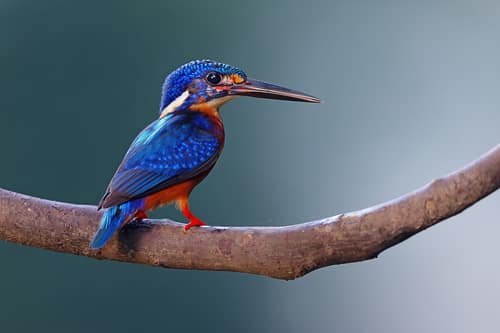
Close Relative JJ Harrison / CC BY-SA 3.0 · cc-by-sa
Help improve the field guideSomething wrong?
Checking your Fauna account…Report a name, category, or profile issue for review.