
Bird · GBIF taxon 2475466
Ringed Kingfisher
Megaceryle torquataAlso known as Great Ringed Kingfisher, Neotropical Ringed Kingfisher
Ringed kingfishers patrol river corridors and coastal lagoons, scanning clear waters from prominent perches before plunging headlong after prey. Males sport a solid rufous belly beneath a white neck band, while females add a striking slate-blue chest band edged in white. Their loud, harsh rattling calls echo across waterways long before the birds themselves flash into view.
PiscivoreLoudWaterbird
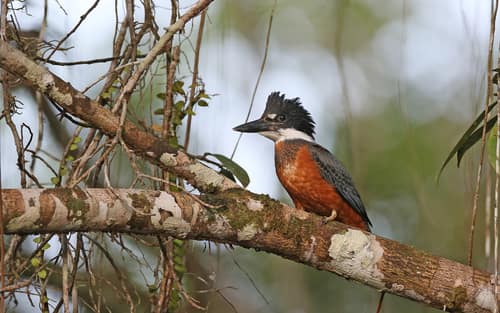

—observations
—countries
—peak records
Least ConcernConservation statusIUCN Red List categoriesLCNTVUENCREWEXLeast ConcernRed List categories, explained →
Diet & prey
- Fish
- Crustaceans
- Frogs
Predators
- Falcons
- Hawks
- Large Snakes
ThreatsHabitat destruction, water pollution, riverbank development
HabitatsRivers, streams, lakes, mangroves, coastal lagoons
Life span6–10 years
Size / weightNot available
Classification
- FamilyAlcedinidae
- SpeciesMegaceryle torquata
Range data is not available yet.
Interaction riskLow
- Low
- Moderate
- High
- Very high
- Why interaction risk is low
- Safe to observe at a normal distance.
Responsible observation
- Perch Scanning: Look high in dead trees lining riverbanks where they linger before diving.
- Audio Identification: Listen for a loud, mechanical, single-note rattle repeated in flight.
- Keep Distance: Avoid approaching earth banks during spring to protect active nest burrows.
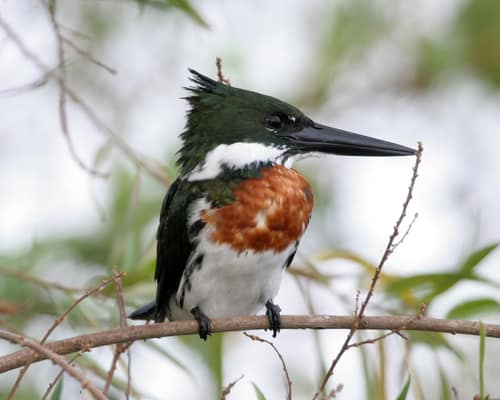
Co-occurring Species (c) Lip Kee Yap, some rights reserved (CC BY-SA) · cc-by-sa
Co-occurring Species (c) Ricard Busquets Reverte, some rights reserved (CC BY) · cc-by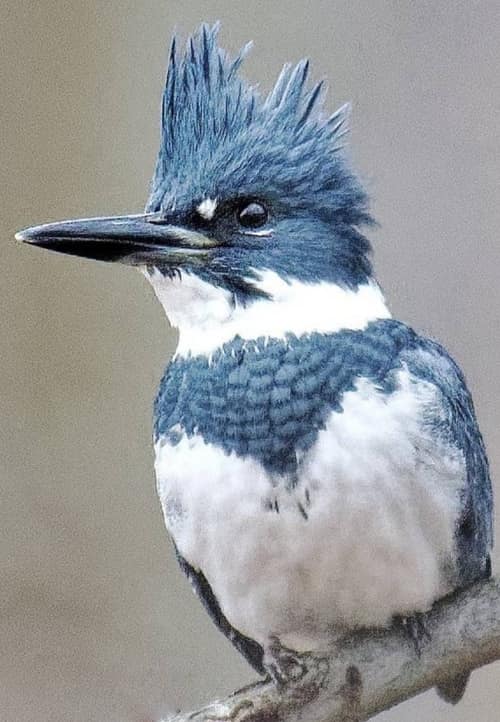
Close Relative (c) chloe ⋆˚꩜。, some rights reserved (CC BY-SA), uploaded by chloe ⋆˚꩜。 · cc-by-sa
Help improve the field guideSomething wrong?
Checking your Fauna account…Report a name, category, or profile issue for review.