
Bird · GBIF taxon 2475423
Black Bee-eater
Merops gularisAlso known as African Black Bee-eater
Black bee-eaters perch high on exposed boughs along West and Central African forest edges, scanning the canopy air for passing prey. Their striking jet-black plumage is offset by a glowing scarlet throat patch and iridescent cobalt streaks across the belly and rump. Unlike many open-country relatives, this species usually hunts alone or in pairs rather than forming massive colonial flocks.
Canopy HunterInsectivoreTropical
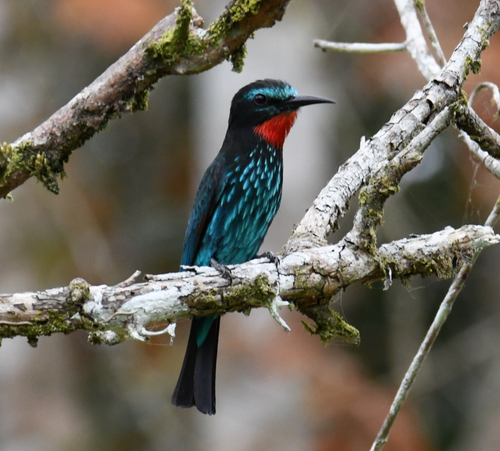
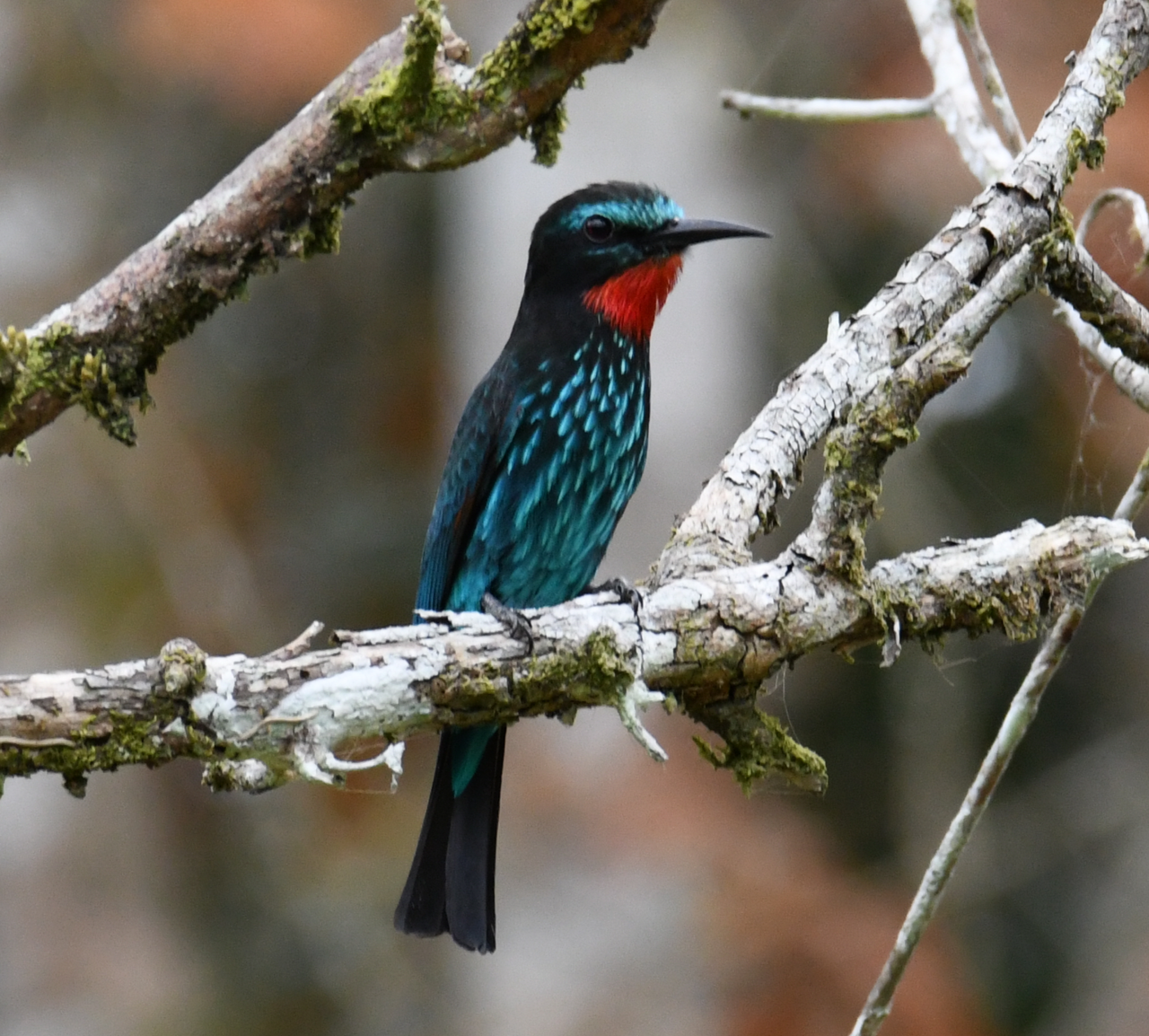
Licensed referenceBen Keen / CC0 · cc0
—observations
—countries
—peak records
Least ConcernConservation statusIUCN Red List categoriesLCNTVUENCREWEXLeast ConcernRed List categories, explained →
Diet & prey
- Honeybees
- Wasps
- Dragonflies
Predators
- Accipiter hawks
- Tree snakes
- Lizards
ThreatsDeforestation and rainforest degradation
HabitatsTropical rainforest edges, secondary woodland, river margins
Life span5–8 years
Size / weightNot available
Classification
- FamilyMeropidae
- SpeciesMerops gularis
Range data is not available yet.
Interaction riskLow
- Low
- Moderate
- High
- Very high
- Why interaction risk is low
- Safe to observe at a normal distance.
Responsible observation
- Scanning clearings: Look high in dead canopy trees around forest edges and river banks.
- Listening for calls: Listen for quiet, sharp single-note whistles emitted from high perches.
- Using optics: Bring binoculars or a spotting scope, as they often sit high in tall trees.
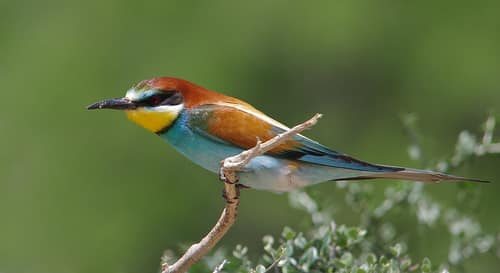
Migratory Kin Elgollimoh / CC BY-SA 3.0 · cc-by-sa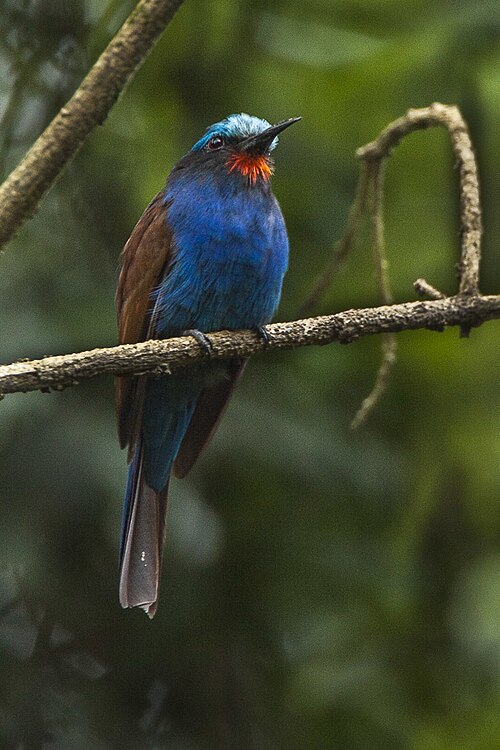
Close Relative https://www.flickr.com/photos/francesco_veronesi/ / CC BY-SA 2.0 · cc-by-sa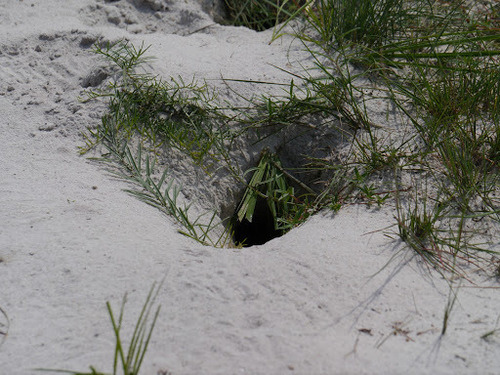
Regional Relative (c) 116916927065934112165, some rights reserved (CC BY), uploaded by 116916927065934112165 · cc-by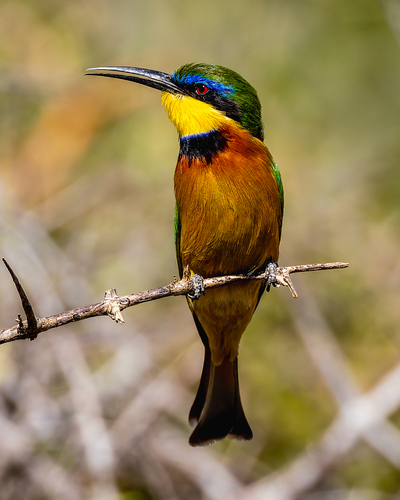
Family Member (c) Gary Leavens, some rights reserved (CC BY-SA), uploaded by Gary Leavens · cc-by-sa
Help improve the field guideSomething wrong?
Checking your Fauna account…Report a name, category, or profile issue for review.