
Bird
Blue-cheeked Bee-eater
Merops persicusAlso known as Persian Bee-eater
Blue-cheeked bee-eater launch from exposed perches to snag dragonflies, bees, and wasps in graceful aerial maneuvers. Returning to their branch, they repeatedly beat captured insects against wood to remove stings before swallowing them whole. Colonies excavate deep nest tunnels into sandy riverbanks, filling the surrounding air with soft, trilling contact calls.
InsectivoreMigratoryColonial
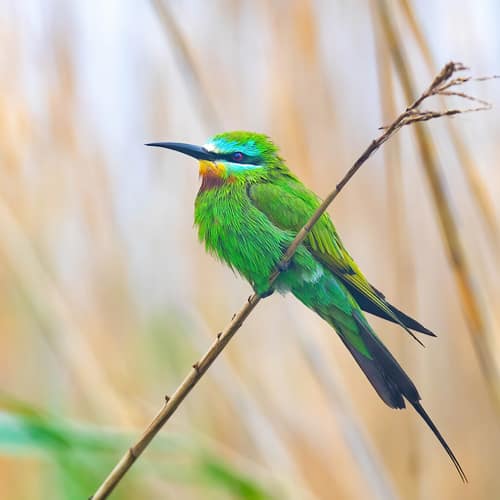
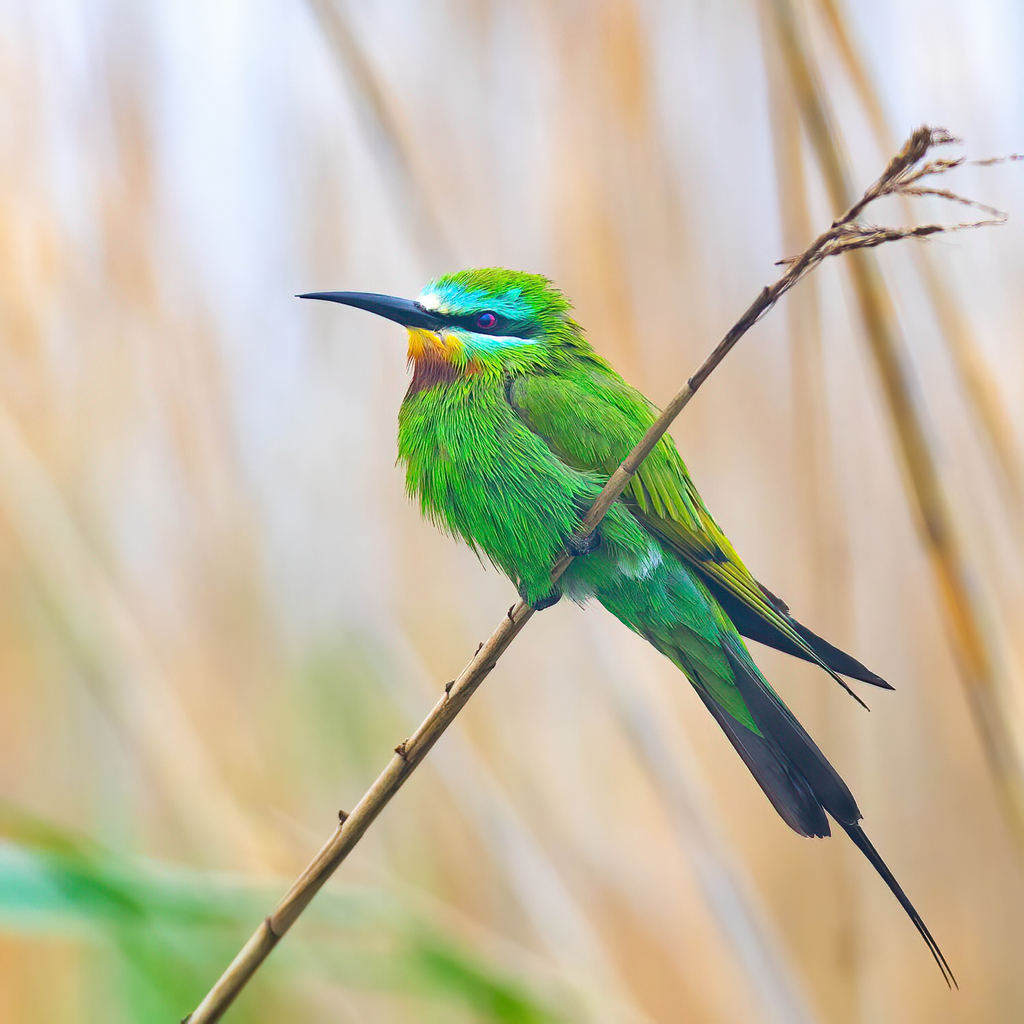
—observations
—countries
—peak records
Least ConcernConservation statusIUCN Red List categoriesLCNTVUENCREWEXLeast ConcernRed List categories, explained →
Diet & preyHoney Bees, Wasps, Dragonflies
Predators
- Falcons
- Hawks
- Snakes
ThreatsPesticide application reducing prey availability and destruction of nesting banks
HabitatsOpen country, river valleys, desert oases, lakeshores, and agricultural fields
Life span5–8 years
Classification
- FamilyMeropidae
- SpeciesMerops persicus
Range data is not available yet.
Interaction riskLow
- Low
- Moderate
- High
- Very high
- Why interaction risk is low
- Safe to observe at a normal distance.
Responsible observation
- Scanning: Look for them perched along utility lines or dead branches near water bodies.
- Behavior: Watch for rapid aerial sallies as they catch insects and return to the same branch.
- Nesting: Keep a respectful distance from nesting sandy banks during the spring breeding period.
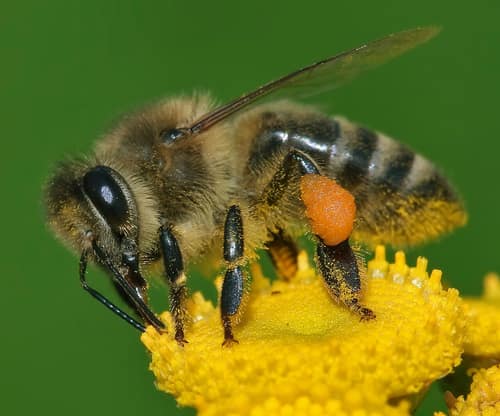
Prey Andreas Trepte / CC BY-SA 2.5 · cc-by-sa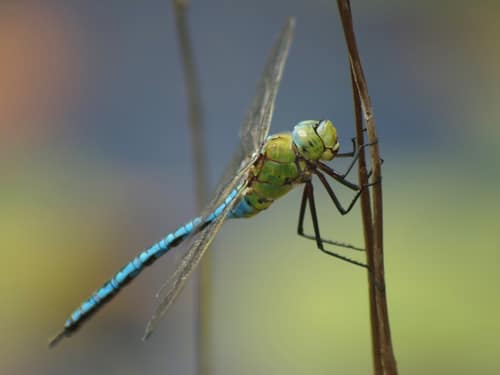
Prey (c) Ludivine Lamare, some rights reserved (CC BY), uploaded by Ludivine Lamare · cc-by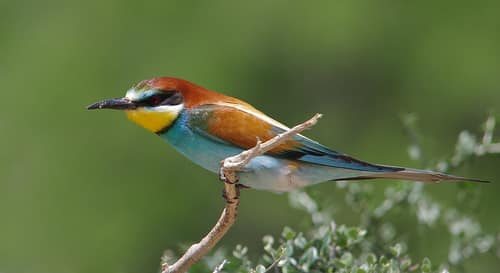
Close Relative Elgollimoh / CC BY-SA 3.0 · cc-by-sa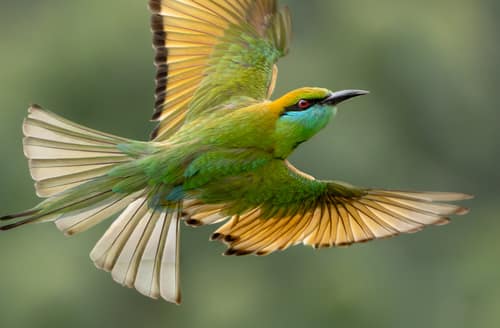
Close Relative (c) sunnyjosef, some rights reserved (CC BY), uploaded by sunnyjosef · cc-by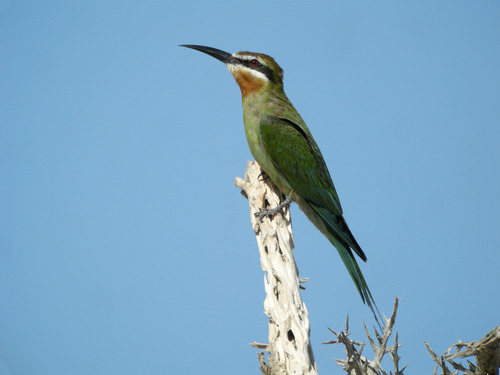
Close Relative (c) Frank Vassen, some rights reserved (CC BY) · cc-by
Help improve the field guideSomething wrong?
Checking your Fauna account…Report a name, category, or profile issue for review.