
Bird
Little Bee-eater
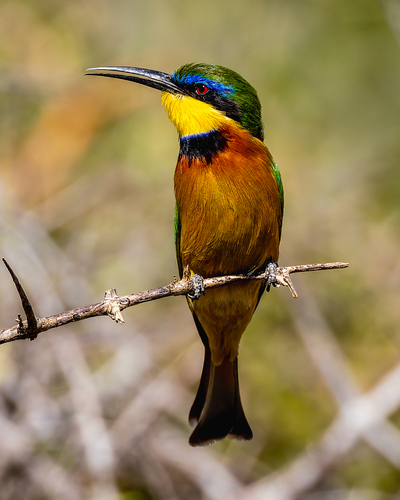
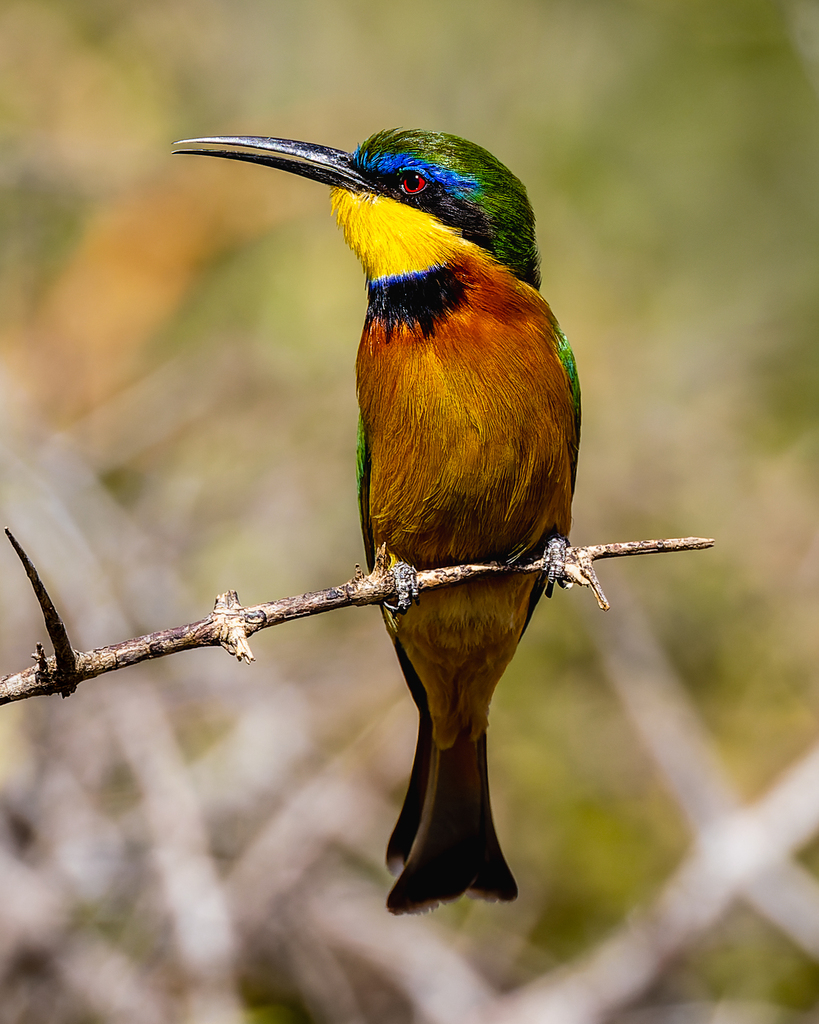
Merops pusillusLittle bee-eaters are the smallest members of their African family, recognizable by bright green plumage, a rich yellow throat, and a bold black neckband. They hunt from low perches on reeds, bushes, or fence posts, sallying out to snatch bees and wasps mid-air before beating the venomous insects against a branch to safely disarm them. At night, monogamous pairs or family groups cluster tightly together along thin exposed twigs to stay warm.
InsectivoreColorfulSub-Saharan
—observations
—countries
—peak records
Least ConcernConservation statusIUCN Red List categoriesLCNTVUENCREWEXLeast ConcernRed List categories, explained →
Diet & preyHoneybees, Wasps, Dragonflies
Predators
- Raptors
- Snakes
- Genets
ThreatsPesticide overuse reducing prey, habitat conversion
HabitatsSavanna, bushveld, marshes, riverbanks, grasslands
Life span5-8 years
Classification
- OrderCoraciiformes
- FamilyMeropidae
- GenusMerops
- SpeciesMerops pusillus
Range data is not available yet.
Interaction riskLow
- Low
- Moderate
- High
- Very high
- Why interaction risk is low
- Safe to observe at a normal distance.
Responsible observation
- Low Perches: Look for them perching low on fence posts, reeds, or exposed twigs rather than high tree canopies.
- Patience: Watch a perched bird continuously, as it often returns to the exact same branch after a hunting sally.
- Quiet Approach: Move slowly along savanna tracks or riverbanks to avoid flushing them from low vegetation.
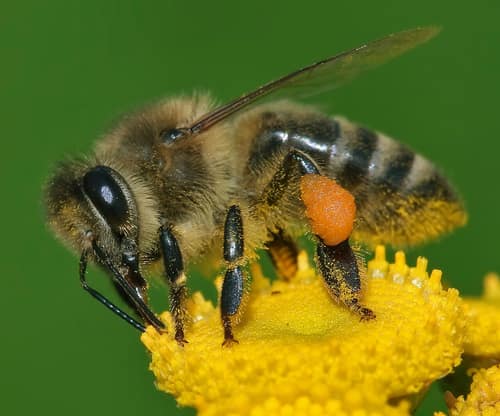
Prey Andreas Trepte / CC BY-SA 2.5 · cc-by-sa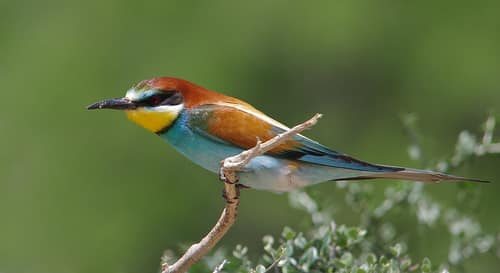
Close Relative Elgollimoh / CC BY-SA 3.0 · cc-by-sa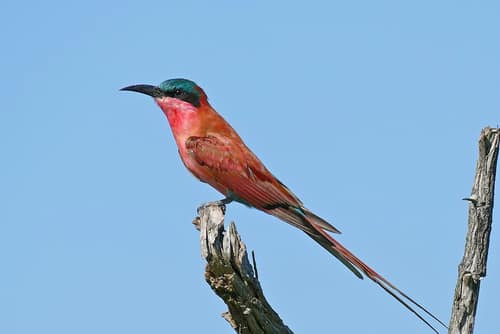
Close Relative Bernard DUPONT from FRANCE / CC BY-SA 2.0 · cc-by-sa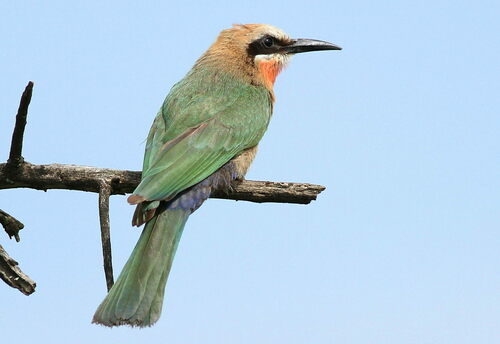
Close Relative (c) Derek Keats, some rights reserved (CC BY) · cc-by
Help improve the field guideSomething wrong?
Checking your Fauna account…Report a name, category, or profile issue for review.