
Bird · GBIF taxon 2474953
Sandhill Crane
Grus canadensisAlso known as Little Brown Crane, Greater Sandhill Crane, Lesser Sandhill Crane
Sandhill Cranes fill North American wetlands with bugling calls that reverberate for miles across open marshlands. Unforgettable leap-and-bow courtship dances strengthen lifetime pair bonds each spring before long migrations. Half a million of these ancient birds converge annually on Nebraska river valleys, resting and refueling on corn remnants.
MigratoryVocalWetland
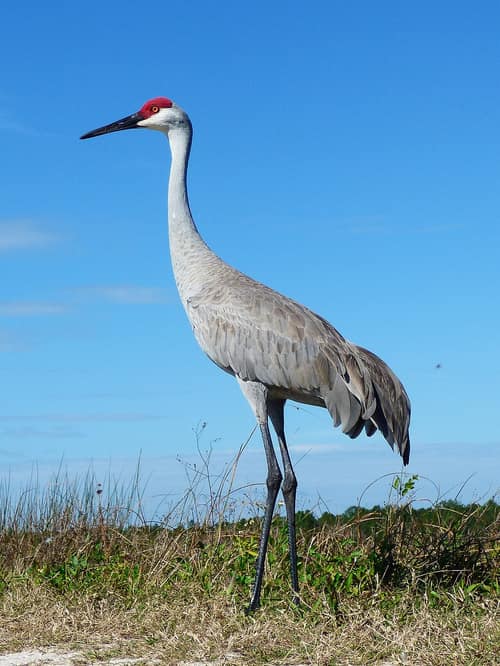
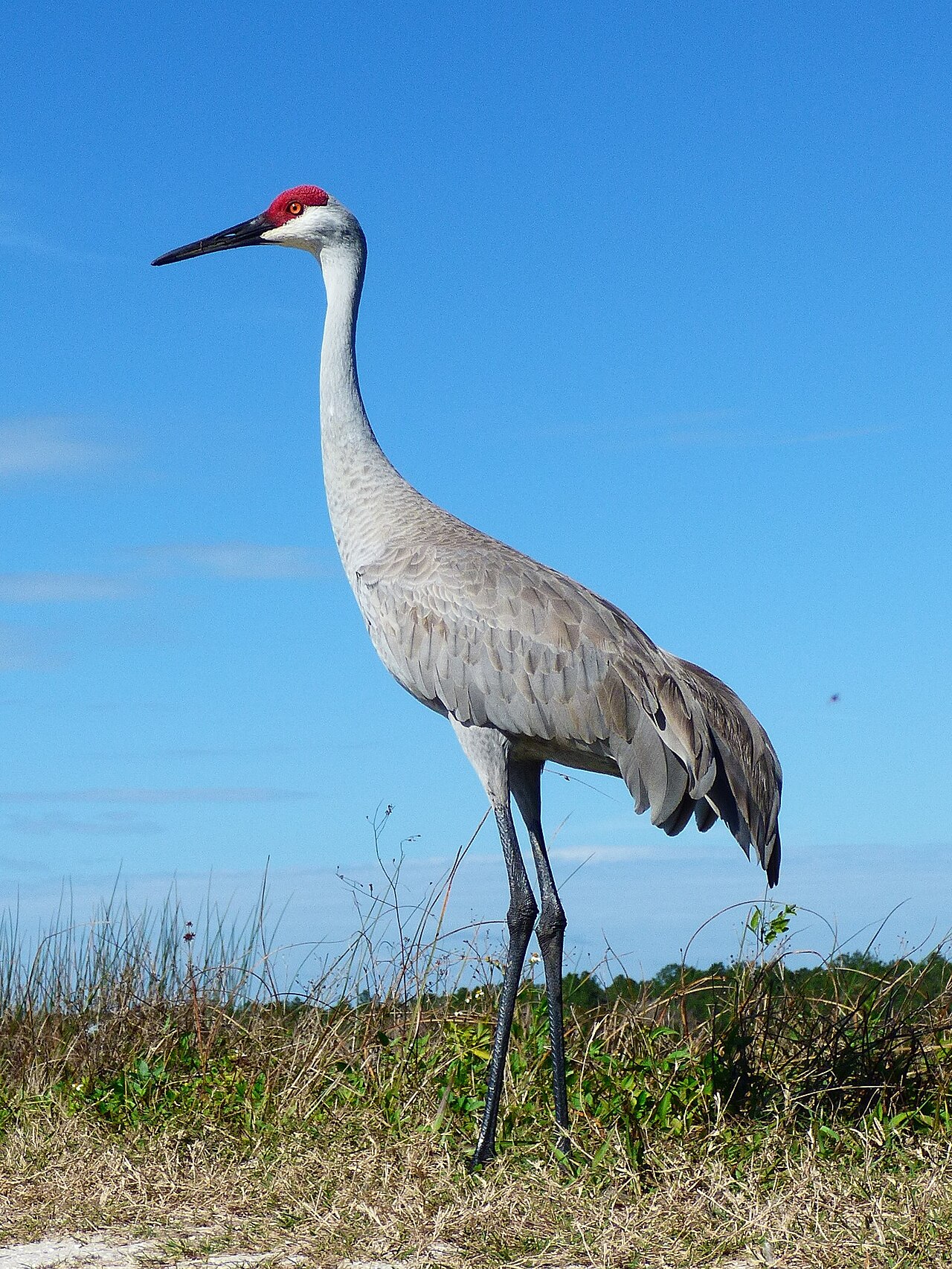
Licensed referenceJeffreyGammon / CC BY 4.0 · cc-by
—observations
—countries
—peak records
Least ConcernConservation statusIUCN Red List categoriesLCNTVUENCREWEXLeast ConcernRed List categories, explained →
Diet & prey
- Grains
- Insects
- Small Amphibians
Predators
- Coyotes
- Bobcats
- Eagles
ThreatsHabitat loss, wetland drainage, collision with power lines
HabitatsWetlands, marshes, wet meadows, agricultural fields
Life span15–20 years in the wild
Size / weightNot available
Classification
- FamilyGruidae
- SpeciesGrus canadensis
Range data is not available yet.
Interaction riskLow
- Low
- Moderate
- High
- Very high
- Why interaction risk is low
- Sharp beaks can deliver defensive stabs if cornered; observe nesting and feeding birds from a safe distance.
- What to notice
- Tall gray birds with a crimson forehead patch, long neck, and drooping tail feathers.
- Support conservation
- Keep at least 100 meters away, remain inside vehicles at roadside observation points, and refrain from flying drones nearby.
Responsible observation
- Spring Staging: Visit Nebraska's Platte River in March to witness huge roosting flocks at sunset.
- Listen Closely: Learn their loud trumpet-like call that carries for miles across open fields.
- Keep Distance: Use spotting scopes during courtship displays to avoid interrupting pair bonding.
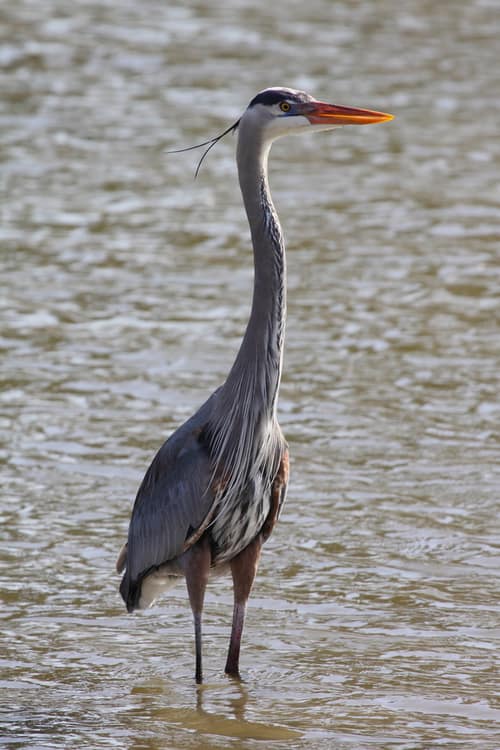
Frequent Companion (c) Basar, some rights reserved (CC BY-SA) · cc-by-sa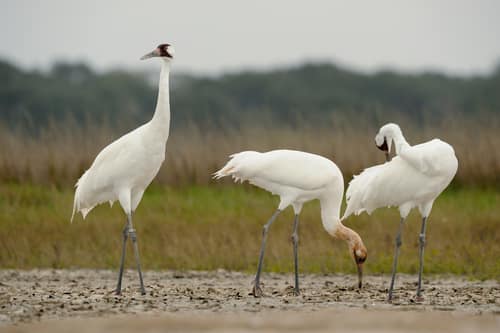
Close Relative (c) U.S. Fish and Wildlife Service Headquarters, some rights reserved (CC BY) · cc-by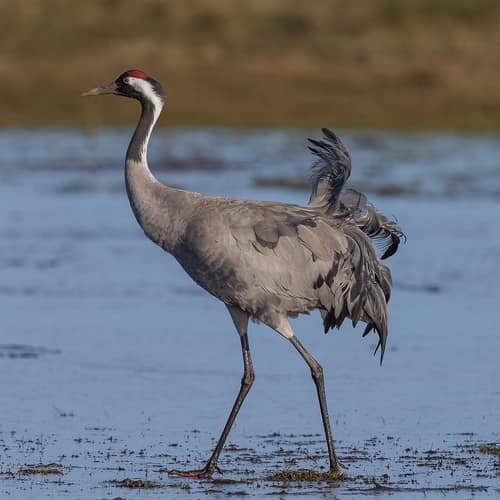
Close Relative Andreas Trepte / CC BY-SA 2.5 · cc-by-sa
Help improve the field guideSomething wrong?
Checking your Fauna account…Report a name, category, or profile issue for review.