
Bird · GBIF taxon 2474949
Grus rubicunda
Grus rubicundaAlso known as Native Companion, Australian Crane
Brolgas perform striking courtship dances characterized by synchronous leaping, wing-spreading, head-tossing, and loud trumpeting calls across Australian wetlands. Paired adults mate for life and jointly construct large mound nests from swamp vegetation in shallow water. Outside the breeding season, large flocks gather in agricultural fields and floodplains to forage for roots, tubers, and small invertebrates.
WetlandDancing BirdSocial
—observations
—countries
—peak records
Least ConcernConservation statusIUCN Red List categoriesLCNTVUENCREWEXLeast ConcernRed List categories, explained →
Diet & prey
- Bulkuru Tubers
- Grasshoppers
- Frogs
Predators
- Red Fox
- Dingo
- Feral Pig
ThreatsWetland drainage, habitat degradation, predation of eggs by introduced red foxes, and power line collisions
HabitatsShallow wetlands, floodplains, wet grasslands, and agricultural fields
Life span20–30 years
Size / weightNot available
Classification
- FamilyGruidae
- SpeciesGrus rubicunda
Range data is not available yet.
Interaction riskLow
- Low
- Moderate
- High
- Very high
- Why interaction risk is low
- Capable of sharp pecks with their long bill when defending nests; observe from a distance.
Responsible observation
- Observe from Afar: Use binoculars during the breeding season to avoid disrupting elaborate courtship dances.
- Nest Caution: Give a wide berth to mound nests in shallow swamps, as parents aggressively defend their eggs.
- Listen for Calls: Locate flocks by listening for their loud, trumpeting duets across open floodplains.
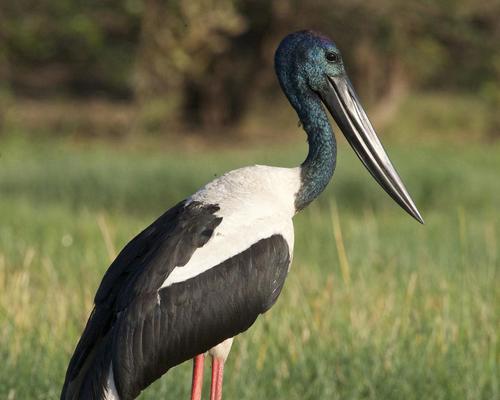
Co-habitatant (c) Lip Kee, some rights reserved (CC BY-SA) · cc-by-sa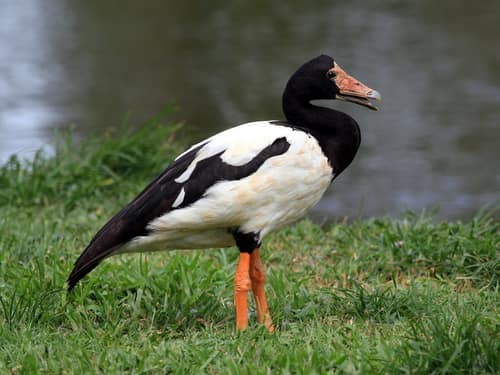
Wetland Neighbor (c) Graham Winterflood, some rights reserved (CC BY-SA), uploaded by Graham Winterflood · cc-by-sa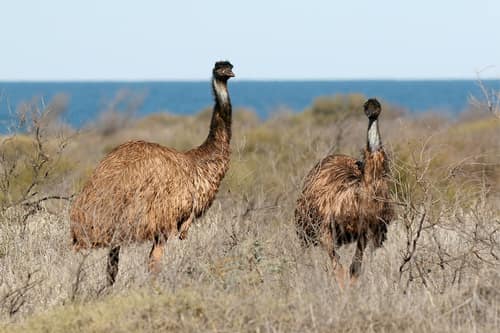
Sympatric Bird (c) patrickkavanagh, some rights reserved (CC BY) · cc-by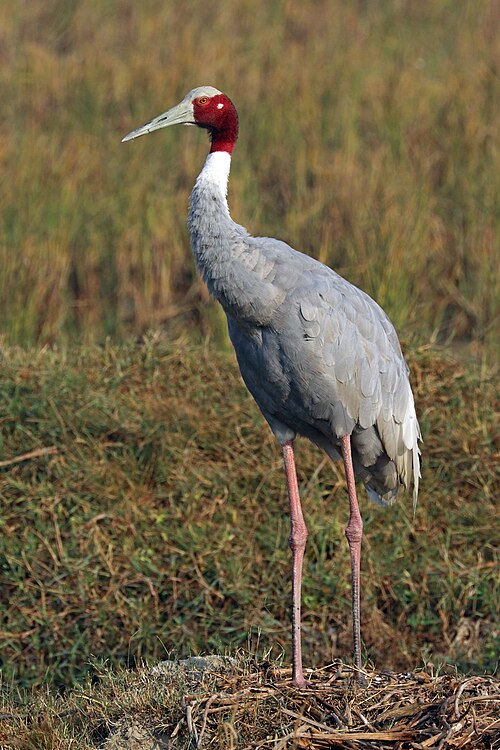
Close Relative Charles J. Sharp / CC BY-SA 4.0 · cc-by-sa
Help improve the field guideSomething wrong?
Checking your Fauna account…Report a name, category, or profile issue for review.