
Bird · GBIF taxon 2474945
Grus antigone
Grus antigoneAlso known as Indian Sarus Crane, Eastern Sarus Crane, Australian Sarus Crane
Standing taller than any other flying bird, Sarus cranes stride through open wetlands and flooded fields in lifelong, dedicated pairs. Partners perform spectacular courtship displays complete with synchronized bugling, leaps, and wing flutters that echo across agricultural landscapes. Their bold red heads contrast strikingly with pale grey plumage, making them unmistakable icons of South Asian and Australasian marshes.
Tallest Flying BirdWetland BirdLifelong Pairs
—observations
—countries
—peak records
VulnerableConservation statusIUCN Red List categoriesLCNTVUENCREWEXVulnerableRed List categories, explained →
Diet & prey
- Aquatic Plants
- Insects
- Snails
Predators
- Feral Dogs
- Jackals
- Large Raptors
ThreatsWetland degradation, habitat loss, pesticide ingestion, collision with power lines
HabitatsFreshwater wetlands, marshes, flooded agricultural fields, savannah grasslands
Life span20–30 years
Size / weightNot available
Classification
- FamilyGruidae
- SpeciesGrus antigone
Range data is not available yet.
Interaction riskLow
- Low
- Moderate
- High
- Very high
- Why interaction risk is low
- Safe to observe at a normal distance.
- What to notice
- Recognizable as an exceptionally tall grey crane with a bare bright red head, red upper neck, and pale pink legs.
- Support conservation
- Keep at least 100 meters away, especially near shallow flooded fields where nests are constructed on raised mud mounds.
Responsible observation
- Observe from Distance: Use a spotting scope or telephoto lens to avoid disrupting foraging pairs.
- Respect Nest Sites: Give wide berth to large agricultural wetland nests during the monsoon breeding season.
- Listen for Calling: Listen for ringing trumpeting duets early in the morning near roosting sites.
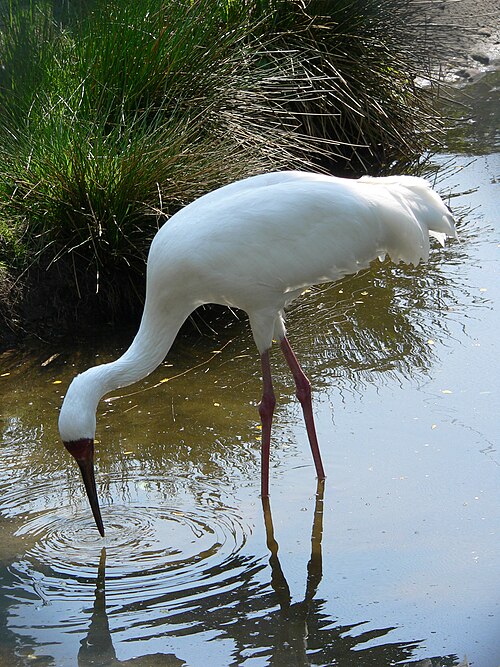
Co-occurring Species BS Thurner Hof / CC BY-SA 3.0 · cc-by-sa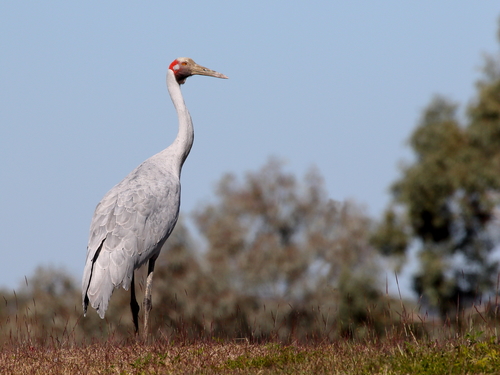
Close Relative (c) Graham Winterflood, some rights reserved (CC BY-SA), uploaded by Graham Winterflood · cc-by-sa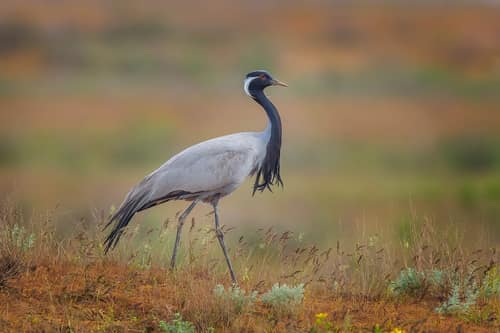
Close Relative (c) egorbirder, some rights reserved (CC BY) · cc-by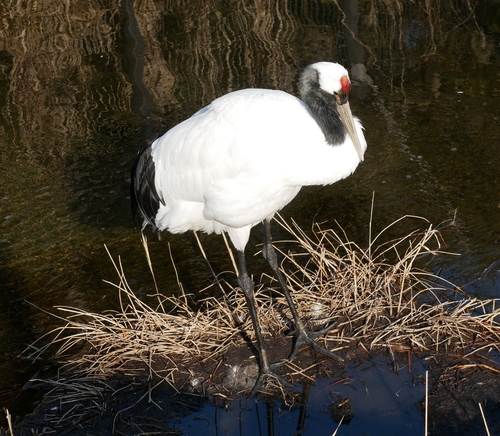
Genus Relative (c) Nesnad, some rights reserved (CC BY) · cc-by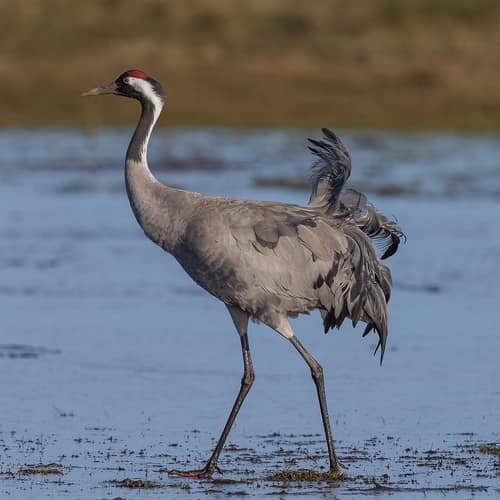
Close Relative Andreas Trepte / CC BY-SA 2.5 · cc-by-sa
Help improve the field guideSomething wrong?
Checking your Fauna account…Report a name, category, or profile issue for review.