
Bird · GBIF taxon 2474909
Kori Bustard
Ardeotis koriAlso known as Paauw
Kori bustards stride deliberately across open African savannas, constantly scanning the ground for insects, small reptiles, and plant material. During the breeding season, males perform spectacular courtship displays by inflating their necks like white balloons, fanning their tail feathers, and emitting deep booming calls. Despite being among the heaviest living birds capable of flight, they prefer walking and take to the air only when pressed by danger.
HeavyweightSavannaTerrestrial
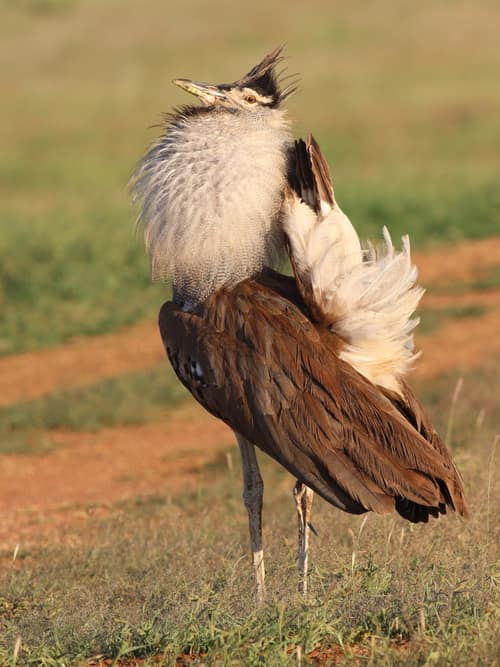
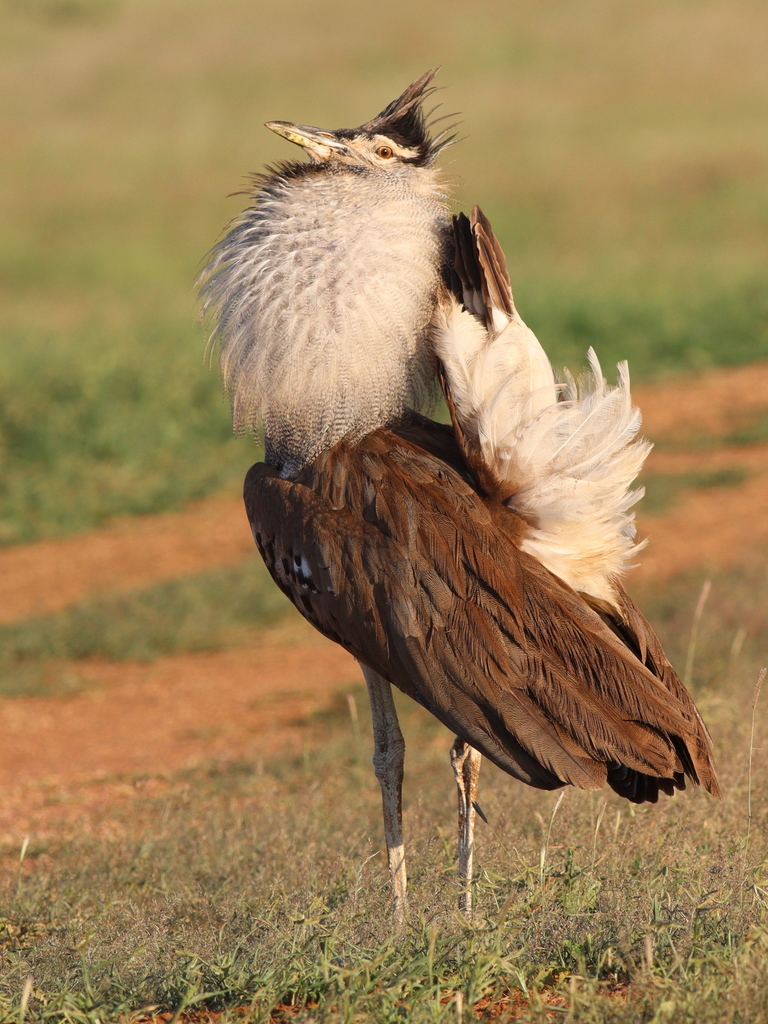
—observations
—countries
—peak records
Near ThreatenedConservation statusIUCN Red List categoriesLCNTVUENCREWEXNear ThreatenedRed List categories, explained →
Diet & prey
- Locusts
- Lizards
- Acacia gum
Predators
- Lions
- Leopards
- Jackals
ThreatsHabitat loss, power line collisions, poaching, agricultural expansion
HabitatsOpen grasslands, dry savannas, arid shrublands
Life span20–30 years
Size / weightNot available
Classification
- FamilyOtididae
- SpeciesArdeotis kori
Range data is not available yet.
Interaction riskLow
- Low
- Moderate
- High
- Very high
- Why interaction risk is low
- Capable of delivering a sharp peck if cornered; observe safely from a vehicle or distance.
- What to notice
- Recognized by its massive body, black crest, greyish plumage, and stately walking stride across open terrain.
- Support conservation
- Remain in vehicles on game drives to avoid disturbing nesting or displaying individuals.
Responsible observation
- Viewing Distance: Keep a respectful distance, as sudden approaches cause them to walk away quietly.
- Savanna Spotting: Look for tall, crest-headed silhouettes moving slowly through low grass in early morning.
- Breeding Season: Watch for inflated white neck displays on prominent ridges during courtship.
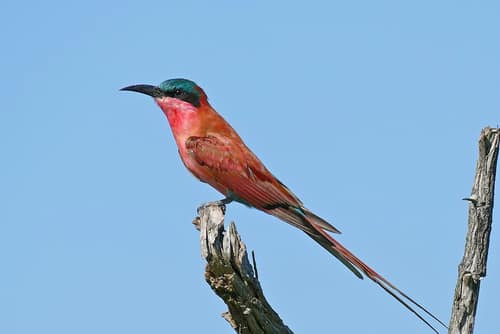
Frequent Companion Bernard DUPONT from FRANCE / CC BY-SA 2.0 · cc-by-sa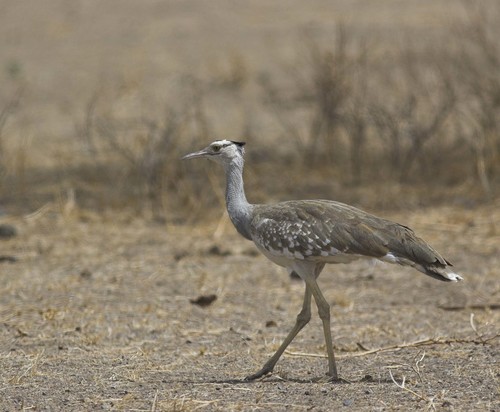
Close Relative (c) Allan Drewitt, some rights reserved (CC BY) · cc-by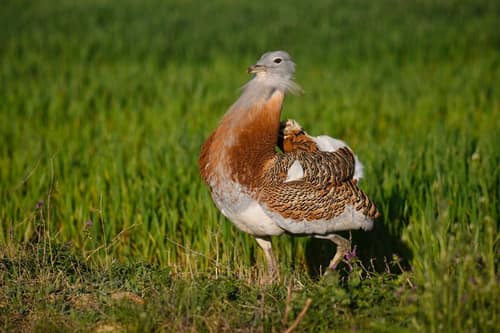
Family Member (c) Luiz Lapa, some rights reserved (CC BY) · cc-by
Help improve the field guideSomething wrong?
Checking your Fauna account…Report a name, category, or profile issue for review.