
Bird · GBIF taxon 2474902
Great Indian Bustard
Ardeotis nigricepsAlso known as Indian Bustard, Gudawan
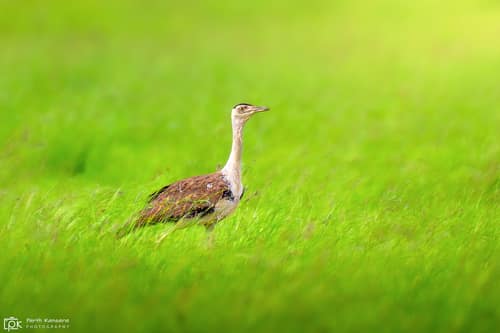
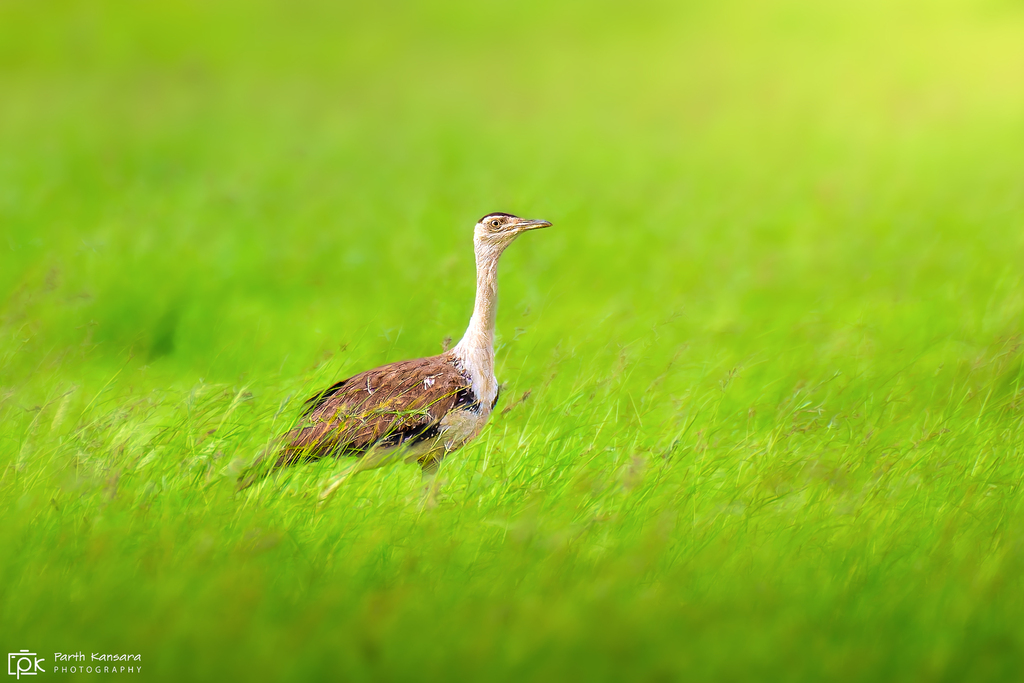
Great Indian bustards stride through dry grasslands and agricultural margins with a stately, deliberate posture. Males perform elaborate courtship displays during the monsoon, inflating a large gular pouch that produces deep booms audible over long distances. High-voltage power lines, habitat degradation, and historical hunting have driven this iconic grassland bird to the brink of extinction.
GrasslandTall
 1 / 2
1 / 2—observations
—countries
—peak records
Critically EndangeredConservation statusIUCN Red List categoriesLCNTVUENCREWEXCritically EndangeredRed List categories, explained →
Diet & prey
- Grasshopper
- Beetle
- Lizard
Predators
- Feral Dog
- Indian Fox
- Golden Jackal
ThreatsPower line collisions, habitat loss, stray dogs
HabitatsDry grasslands, arid scrublands, agricultural margins
Life span12–15 years in the wild
Size / weightNot available
Classification
- FamilyOtididae
- SpeciesArdeotis nigriceps
Range data is not available yet.
Interaction riskLow
- Low
- Moderate
- High
- Very high
- Why interaction risk is low
- Safe to observe at a distance; keep back to prevent disturbing this critically endangered bird.
- What to notice
- Look for a tall, long-necked bird with a brownish body, white neck, and a prominent black crown patch on top of the head.
- Support conservation
- Observe strictly from vehicles or long distances using optics, keeping disturbance to zero near known breeding grounds.
Responsible observation
- Maintain Distance: Stay far away to prevent causing flight stress to this highly sensitive bird.
- Avoid Nest Disturbance: Ground nests are extremely vulnerable; never approach suspected breeding sites.
- Report Sightings: Share location details with local wildlife authorities to assist active conservation efforts.
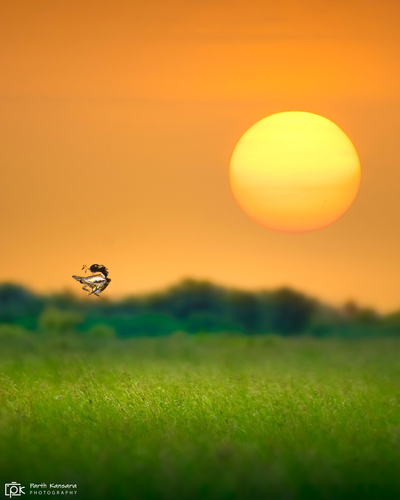
Grassland Neighbor (c) Parth Kansara, some rights reserved (CC BY), uploaded by Parth Kansara · cc-by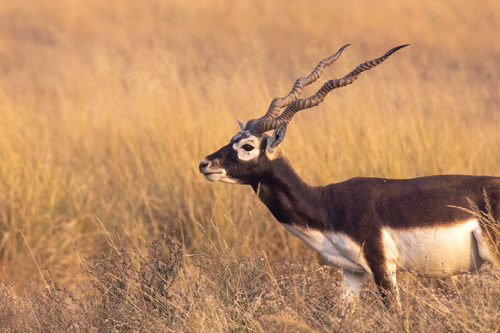
Frequent Companion (c) Paulmathi Vinod, some rights reserved (CC BY), uploaded by Paulmathi Vinod · cc-by
Predator (c) Mvshreeram, some rights reserved (CC BY-SA) · cc-by-sa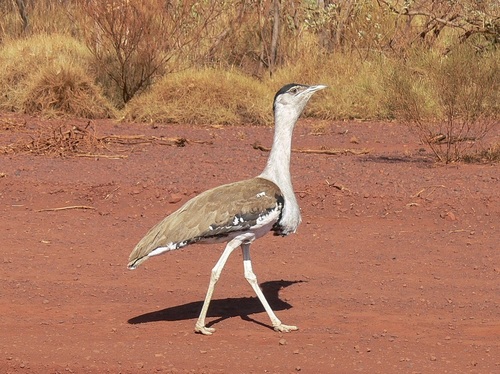
Close Relative (c) dhfischer, some rights reserved (CC BY), uploaded by dhfischer · cc-by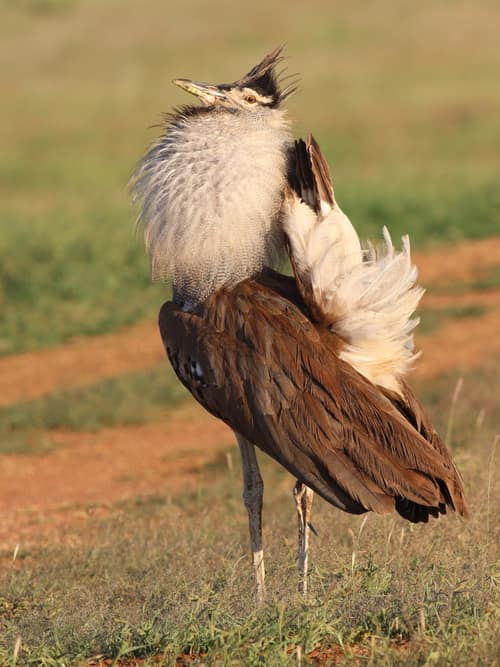
Close Relative (c) Jan Ebr & Ivana Ebrová, some rights reserved (CC BY), uploaded by Jan Ebr & Ivana Ebrová · cc-by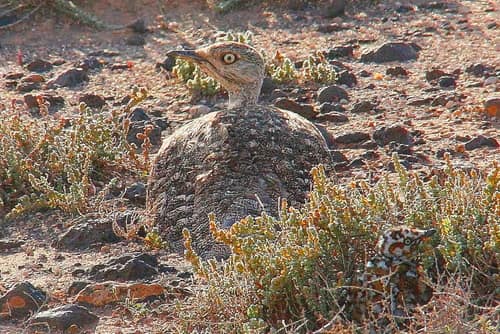
Family Relative (c) Carles Pastor, some rights reserved (CC BY-SA) · cc-by-sa
Help improve the field guideSomething wrong?
Checking your Fauna account…Report a name, category, or profile issue for review.