
Bird
Chatham Islands Rail
Gallirallus modestusAlso known as Chatham Rail, Mangere Rail
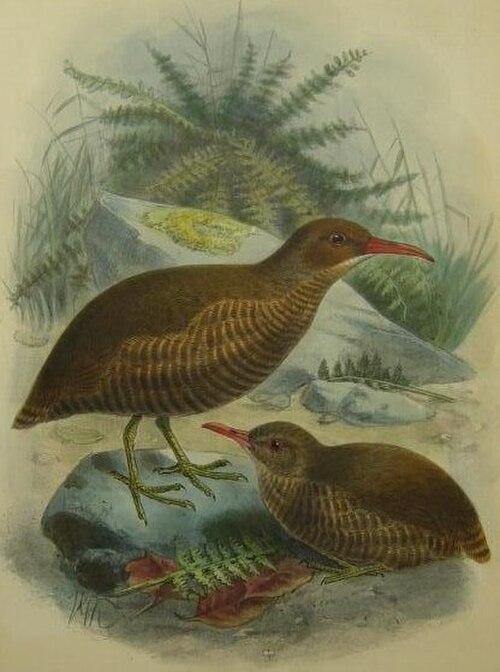
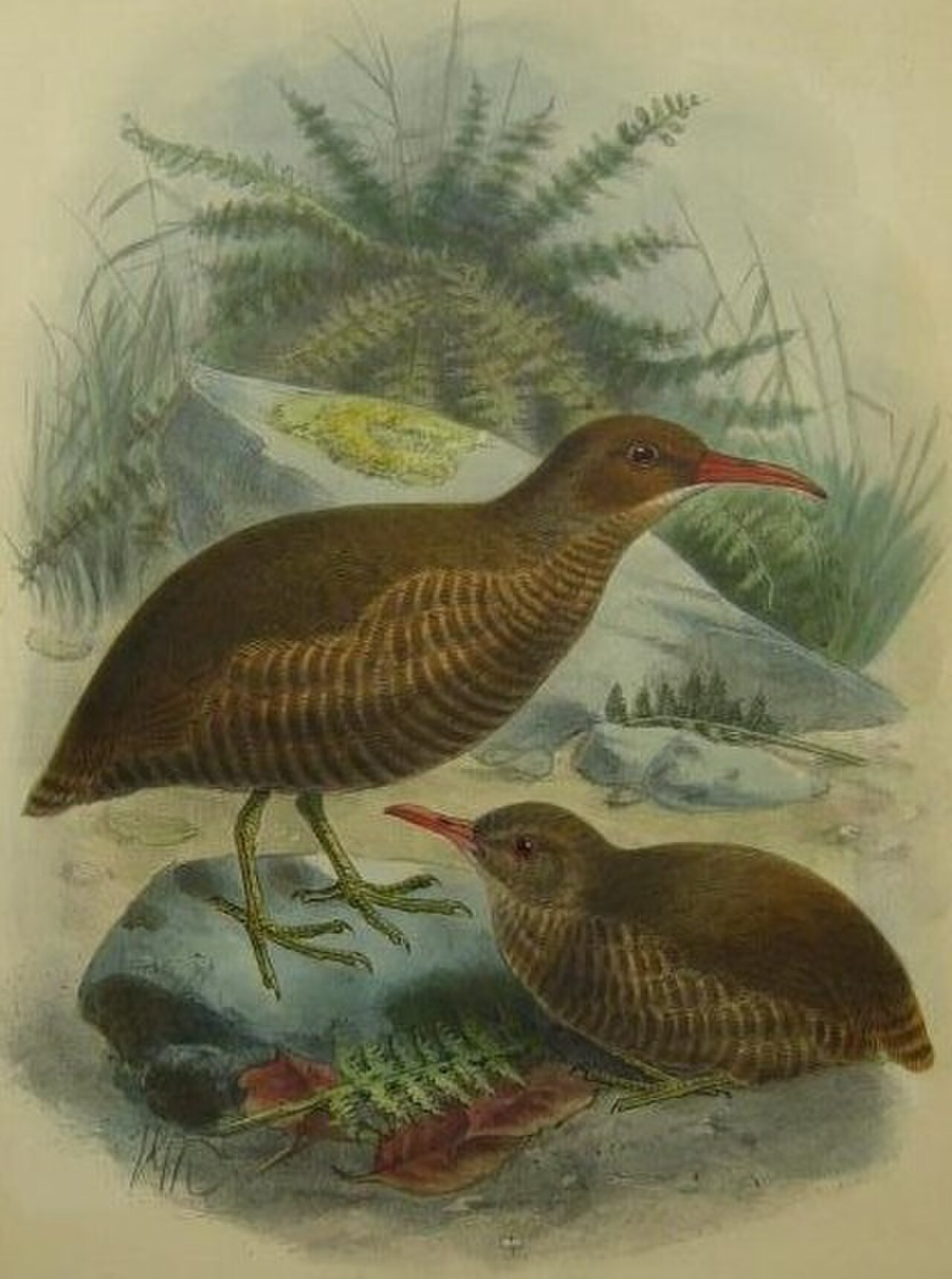
Chatham Islands rails were small, flightless, nocturnal birds that navigated the dense ground cover and seabird burrows of the Chatham archipelago. Their slender, downcurved bills probed leaf litter and sandy soil for amphipods and insect larvae, filling an ecological niche distinct from their larger, sympatric relative, Dieffenbach's rail. Introduction of predatory domestic cats, rats, and extensive habitat burning by settlers decimated the fragile island populations by the end of the nineteenth century.
FlightlessIsland Endemic
—observations
—countries
—peak records
ExtinctConservation statusIUCN Red List categoriesLCNTVUENCREWEXExtinctRed List categories, explained →
Diet & preyTerrestrial Amphipod, Beetle, Earthworm
Predators
- Feral Cat
- Black Rat
- Norway Rat
ThreatsPredation by introduced cats and rats, habitat destruction, and specimen collecting
HabitatsDense coastal scrub, tussock grasslands, and seabird burrow colonies
Life spanUnknown; likely 5–10 years in the wild
Classification
- FamilyRallidae
- SpeciesGallirallus modestus
Range data is not available yet.
Interaction riskLow
- Low
- Moderate
- High
- Very high
- Why interaction risk is low
- Extinct species; safe to observe in museum historical collections.
Responsible observation
- Museum Collections: Study preserved study skins and skeletons housed in natural history museums.
- Historical Context: Review nineteenth-century field notes from early collectors on Mangere Island.
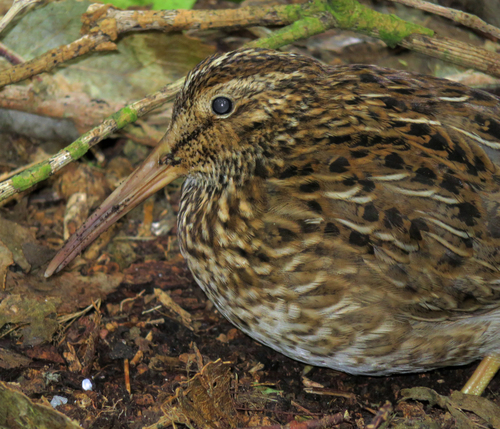
Neighbor no rights reserved, uploaded by Peter de Lange · cc0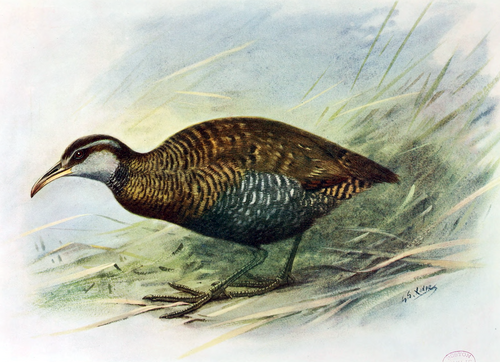
Close Relative George Edward Lodge / Public domain · cc0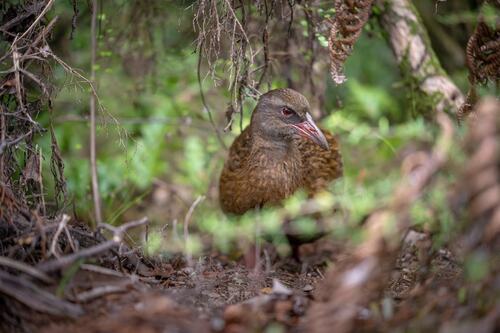
Close Relative (c) Saryu Mae 前 朝琉, some rights reserved (CC BY), uploaded by Saryu Mae 前 朝琉 · cc-by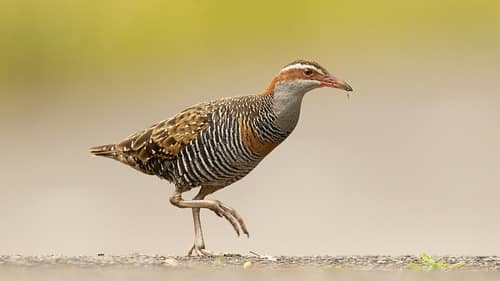
Same Family JJ Harrison (https://www.jjharrison.com.au/) / CC BY-SA 4.0 · cc-by-sa
Help improve the field guideSomething wrong?
Checking your Fauna account…Report a name, category, or profile issue for review.