
Bird
Germain's Peacock-Pheasant
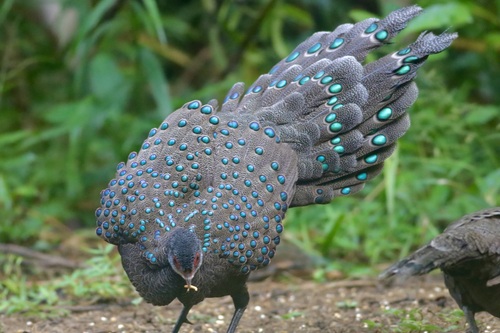
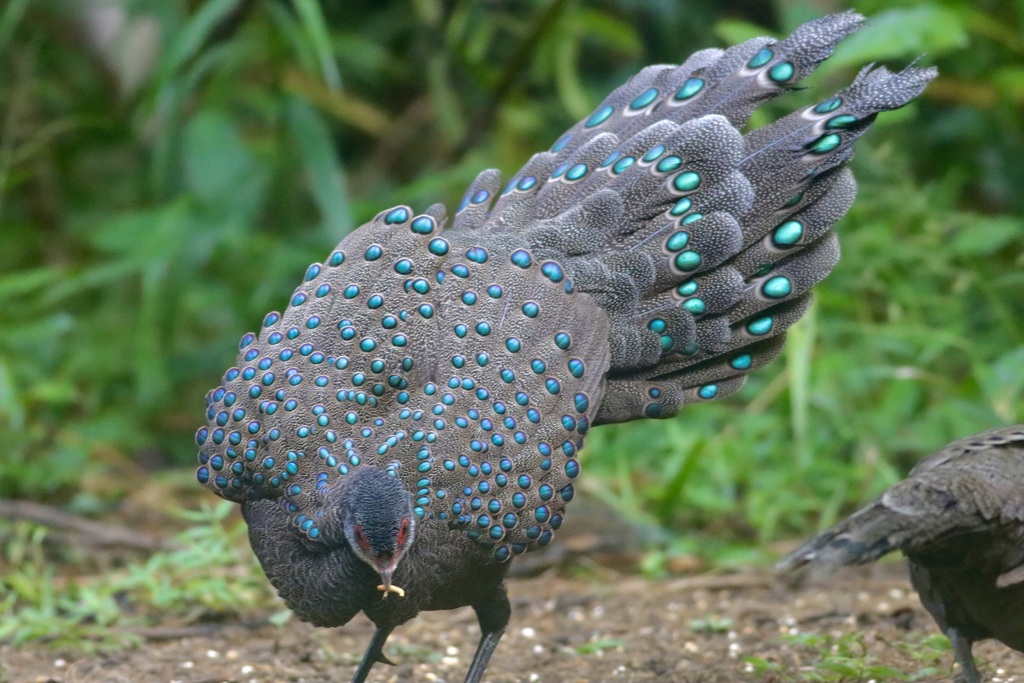
Polyplectron germainiGermain's peacock-pheasants inhabit dense evergreen and semi-evergreen lowland rainforests, where they forage stealthily across leaf litter in search of fallen fruit and invertebrates. Males perform elaborate courtship displays by fanning their tail feathers forward over their backs to present a glittering array of iridescent blue-green ocelli to prospective mates. Secretive and wary by nature, these birds rely on camouflage and intricate whistled contact calls to navigate heavily vegetated undergrowth.
Forest DwellerEndemicGround Forager
—observations
—countries
—peak records
VulnerableConservation statusIUCN Red List categoriesLCNTVUENCREWEXVulnerableRed List categories, explained →
Diet & preyFallen berries, Ants and termites, Beetles
Predators
- Civets
- Leopard cats
- Birds of prey
ThreatsHabitat loss from logging and agriculture, snaring, and hunting
HabitatsDense lowland and hill evergreen forest, secondary growth, and bamboo thickets
Life span10–15 years
Classification
- FamilyPhasianidae
- SpeciesPolyplectron germaini
Range data is not available yet.
Interaction riskLow
- Low
- Moderate
- High
- Very high
- Why interaction risk is low
- Safe to observe at a normal distance.
- What to notice
- Look for a dark brown pheasant with pale facial skin, a dark crest, and vibrant metallic-green eye-spots on its tail.
- Support conservation
- Maintain a respectful distance on designated forest trails, avoid playback recordings, and report any illegal snares to local rangers.
Responsible observation
- Observation Timing: Search along quiet, shaded forest trails in early morning when foraging activity peaks.
- Listening Skills: Listen for repetitive, two-toned territorial whistles echoing through the dense understory.
- Field Etiquette: Remain motionless behind low vegetation, as sudden movements quickly flush this wary species.
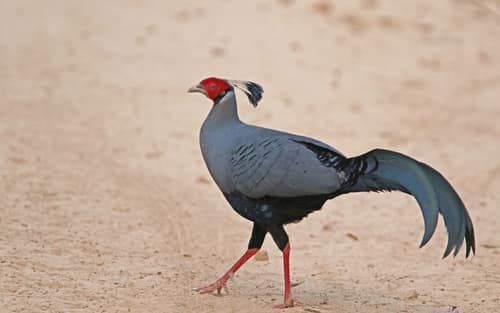
Frequent Companion (c) Christoph Moning, some rights reserved (CC BY), uploaded by Christoph Moning · cc-by Image unavailable
Close Relative Close Relative 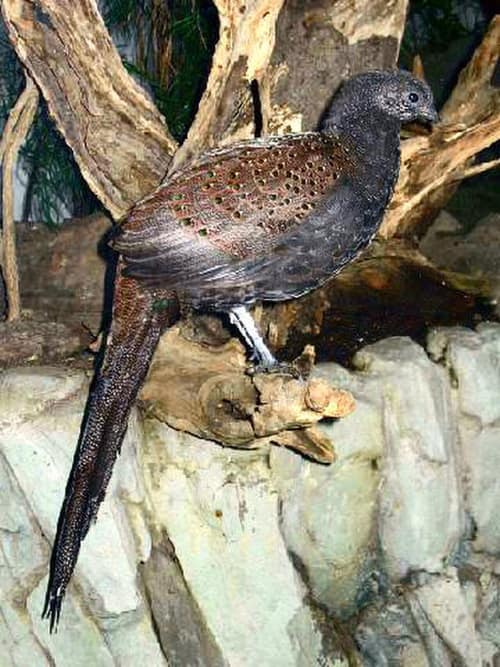
Close Relative Stavenn at English Wikipedia / CC BY-SA 3.0 · cc-by-sa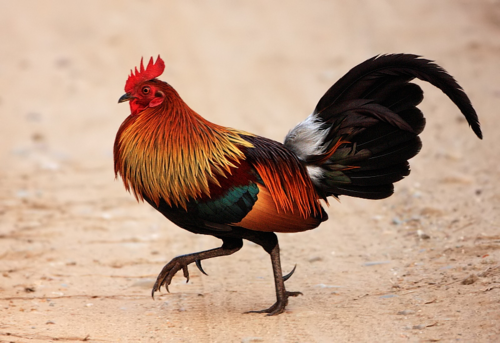
Same Family Subramanya C K / CC BY-SA 3.0 · cc-by-sa
Help improve the field guideSomething wrong?
Checking your Fauna account…Report a name, category, or profile issue for review.