
Bird
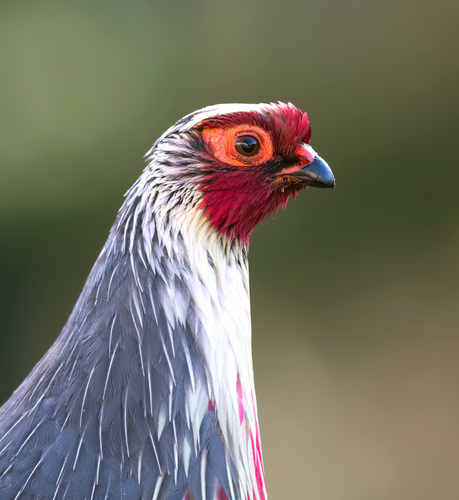
Blood Pheasant
Ithaginis cruentusAlso known as Blood Partridge
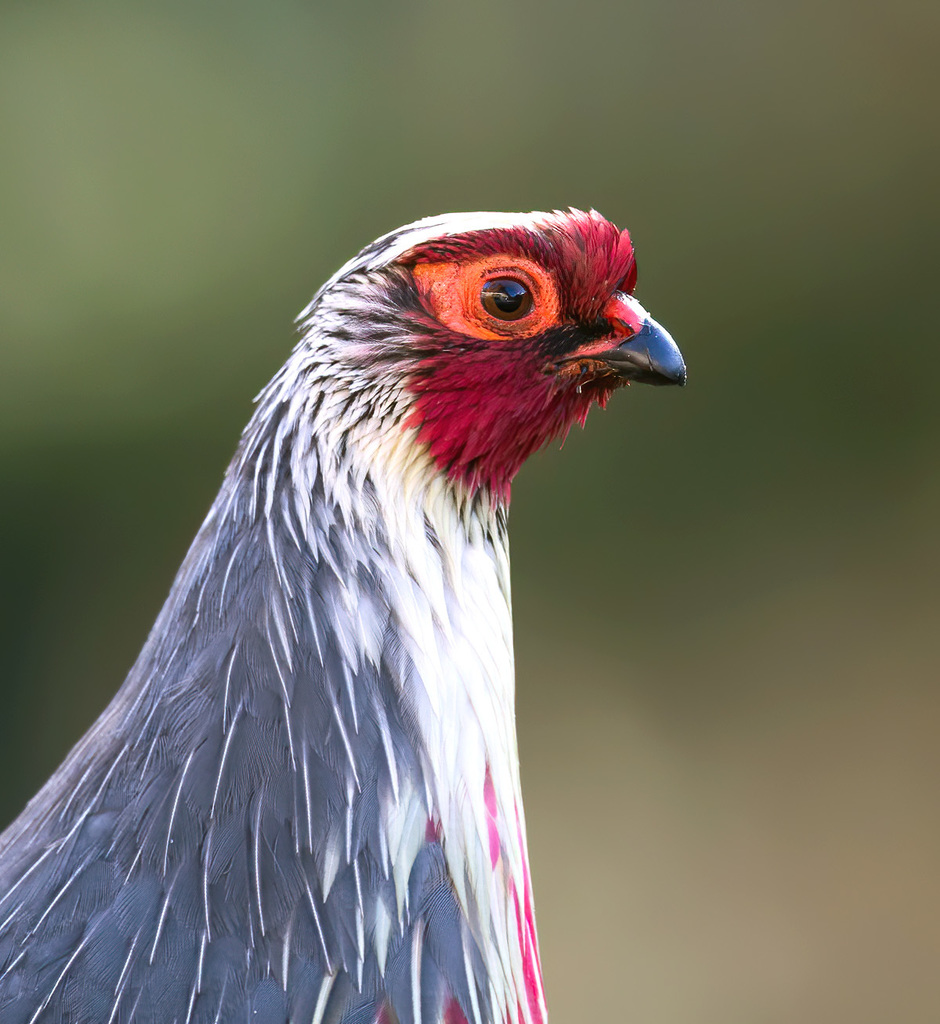
Blood pheasants forage in small, tight-knit coveys through misty rhododendron thickets and subalpine conifer forests across the Himalayas. Males display vivid streaks of crimson on their breast, face, and tail coverts that contrast sharply against ash-grey plumage and bare crimson eye-rings. These sturdy birds undergo pronounced seasonal altitudinal migrations, following receding snowlines upward in spring to forage on lichens, moss, and alpine shoots.
MontaneHigh-altitudeColorful
—observations
—countries
—peak records
Least ConcernConservation statusIUCN Red List categoriesLCNTVUENCREWEXLeast ConcernRed List categories, explained →
Diet & preyTree lichens, Rhododendron seeds, Insects
Predators
- Snow leopard
- Red fox
- Golden eagle
ThreatsHabitat fragmentation, winter firewood harvesting, and localized subsistence hunting
HabitatsSubalpine coniferous forests, rhododendron scrub, and high-altitude alpine meadows
Life span10–15 years
Classification
- FamilyPhasianidae
- SpeciesIthaginis cruentus
Range data is not available yet.
Interaction riskLow
- Low
- Moderate
- High
- Very high
- Why interaction risk is low
- Safe to observe at a normal distance.
Responsible observation
- Patience: Move slowly along established trails, as coveys blend into leaf litter and quietly retreat into brush when alarmed.
- Observation timing: Scan open snowline edges and trail margins during misty early mornings when flocks feed actively.
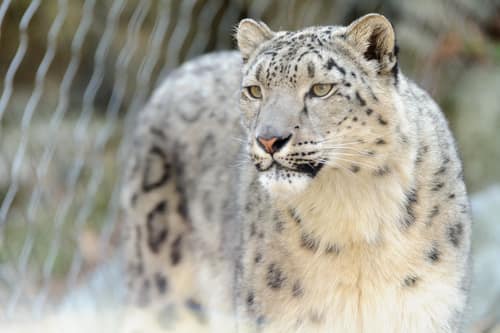
Predator "Snow Leopard from the Side" by Eric Kilby is licensed under CC BY-SA 2.0. To view a copy of this license, visit https://creativecommons.org/licenses/by-sa/2.0/. · cc-by-sa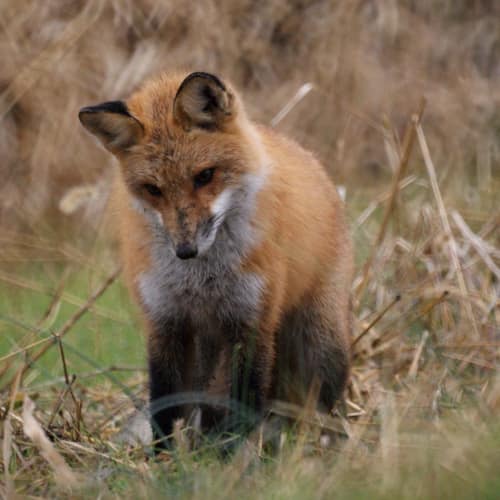
Predator "Red Fox" by Mike's Birds is licensed under CC BY-SA 2.0. To view a copy of this license, visit https://creativecommons.org/licenses/by-sa/2.0/. · cc-by-sa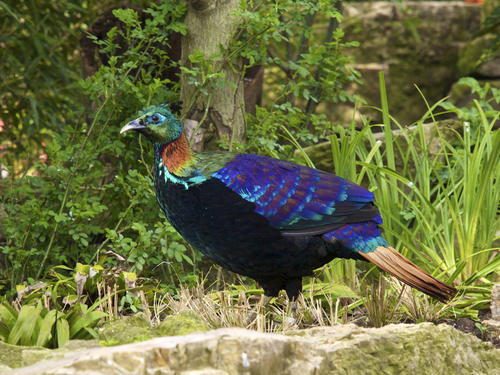
Family Relative (c) Jörg Hempel, some rights reserved (CC BY-SA) · cc-by-sa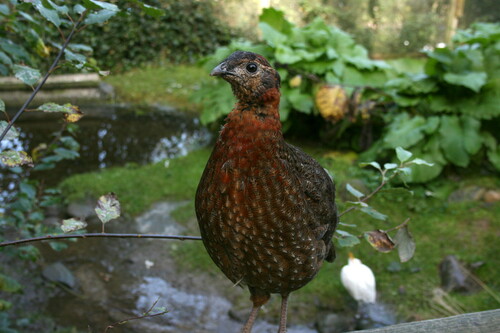
Family Relative (c) Frank Vincentz, some rights reserved (CC BY-SA) · cc-by-sa
Help improve the field guideSomething wrong?
Checking your Fauna account…Report a name, category, or profile issue for review.