
Bird · GBIF taxon 2473663
Hazel Grouse
Tetrastes bonasiaAlso known as Hazel Hen, Rabchick
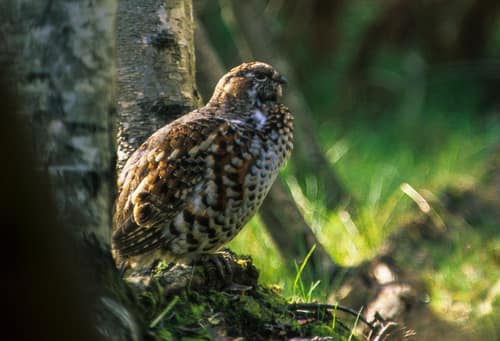
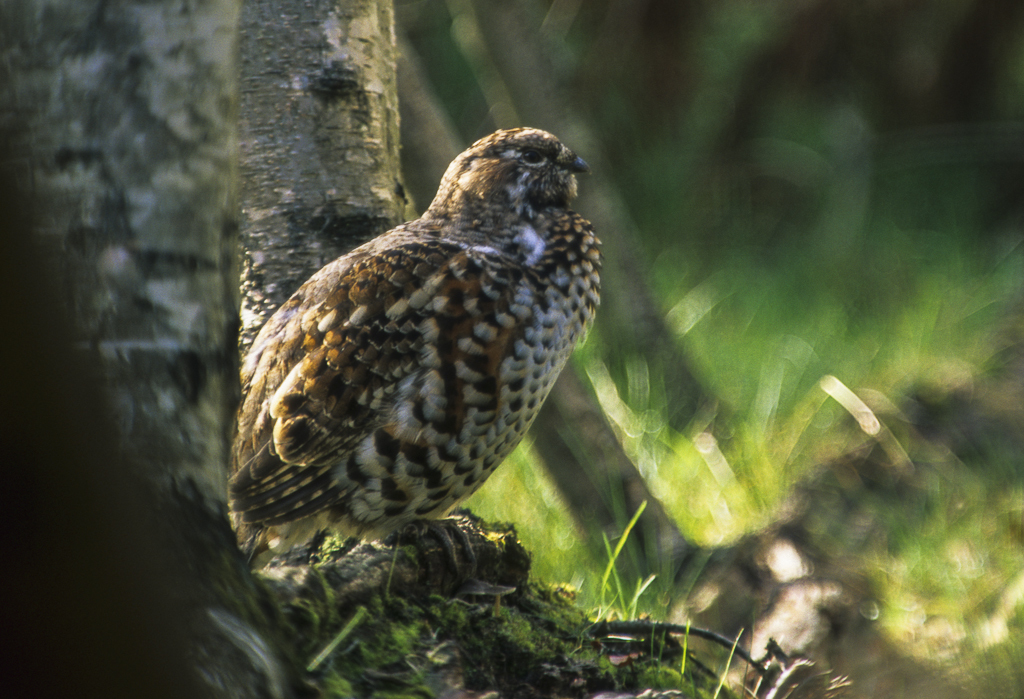
Hazel grouse rely on intricate mottled grey, brown, and chestnut plumage that blends seamlessly into the shadowy floor of boreal forests. Secretive and mostly solitary, pairs establish territories in spring, communicating with high-pitched, delicate whistles that belie their heavy-bodied frame. During harsh winters, these birds roost beneath deep snow drifts for insulation and subsist almost entirely on tree buds and catkins.
ForestSecretiveCamouflaged
—observations
—countries
—peak records
Least ConcernConservation statusIUCN Red List categoriesLCNTVUENCREWEXLeast ConcernRed List categories, explained →
Diet & prey
- Birch Catkins
- Alder Buds
- Bilberries
Predators
- Northern Goshawk
- European Pine Marten
- Red Fox
ThreatsForestry management, habitat loss, climate change
HabitatsDense coniferous and mixed boreal forests
Life span4–7 years
Size / weightNot available
Classification
- FamilyPhasianidae
- SpeciesTetrastes bonasia
Range data is not available yet.
Interaction riskLow
- Low
- Moderate
- High
- Very high
- Why interaction risk is low
- Safe to observe at a normal distance.
Responsible observation
- Listen carefully: Listen for high-pitched, thin whistling calls during spring territorial displays.
- Move quietly: Tread slowly through dense spruce and alder thickets to avoid flushing them.
- Scan the branches: Look for feeding birds on birch branches during late autumn and winter.
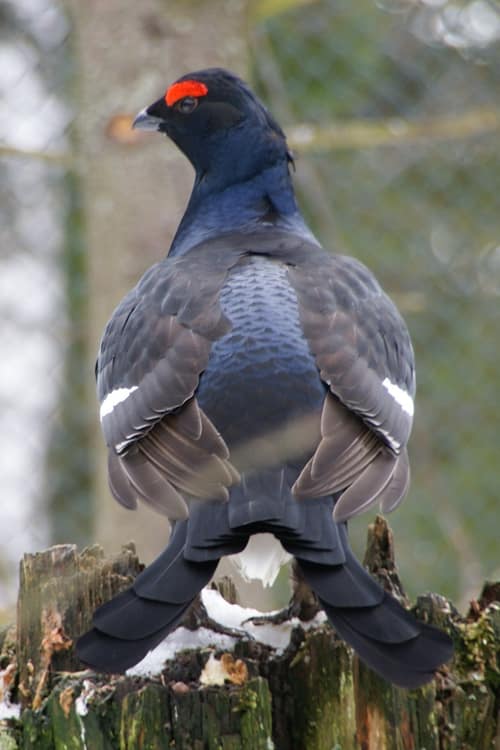
Co-occurring Species Aconcagua (talk) / CC BY-SA 3.0 · cc-by-sa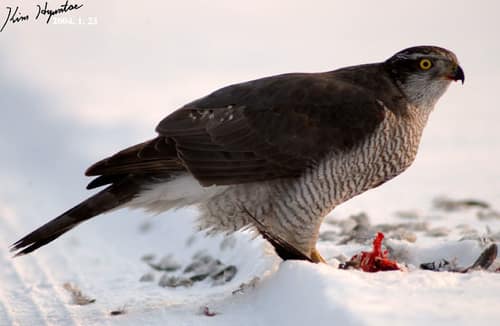
Predator (c) Kim, Hyun-tae, some rights reserved (CC BY), uploaded by Kim, Hyun-tae · cc-by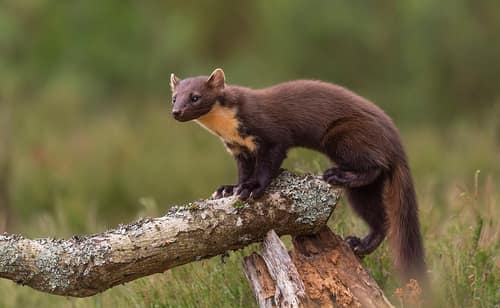
Predator caroline legg / CC BY 2.0 · cc-by
Help improve the field guideSomething wrong?
Checking your Fauna account…Report a name, category, or profile issue for review.