
Bird · GBIF taxon 2473477
Reeves's Pheasant
Syrmaticus reevesiiAlso known as Reeves Pheasant, Bar-Tailed Pheasant
Reeves's pheasants are famous for the male's extraordinary banded tail, which can measure up to two meters in length and holds a Guinness World Record for pure wild tail feather length. Native to the forested hills of central China, these birds forage along dense understories, feeding on seeds, tubers, and insects. During the spring breeding season, territorial males perform vigorous wing-whirring displays and aggressively defend their courtship grounds.
EndemicLong-TailedWoodland
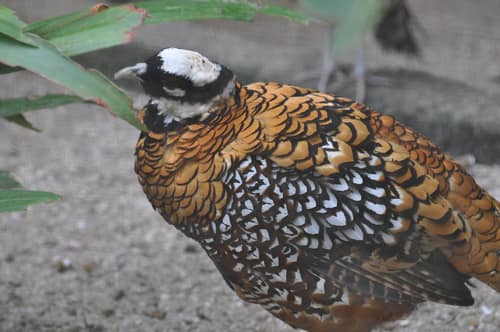
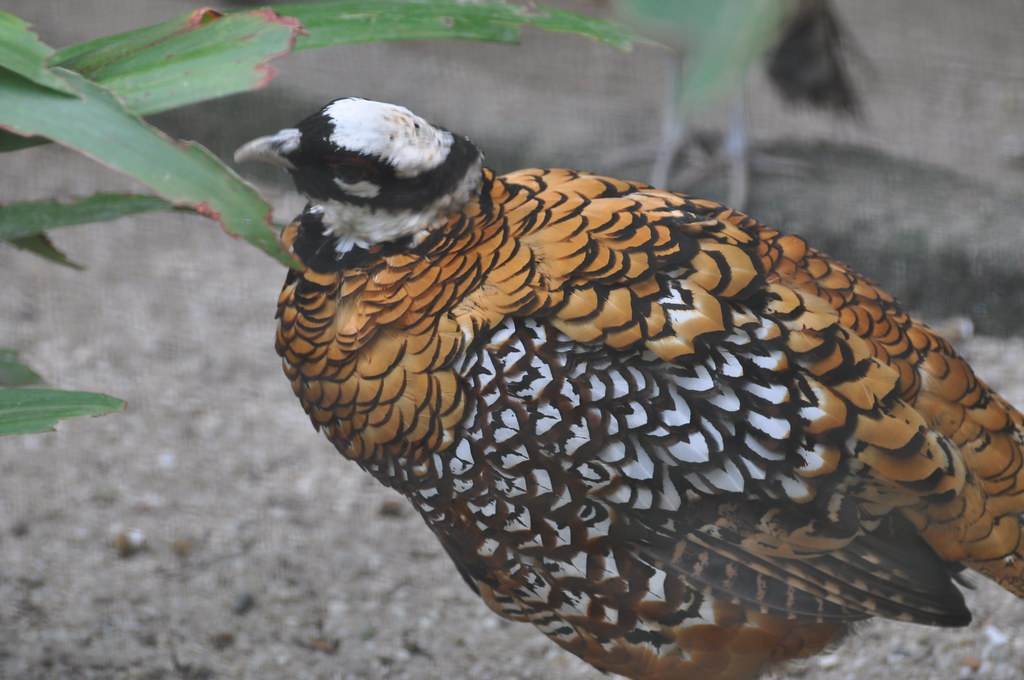
—observations
—countries
—peak records
VulnerableConservation statusIUCN Red List categoriesLCNTVUENCREWEXVulnerableRed List categories, explained →
Diet & prey
- Acorns
- Tubers
- Insects
Predators
- Foxes
- Wild cats
- Raptors
ThreatsHabitat loss, deforestation, historic hunting for tail feathers
HabitatsTemperate broadleaf, mixed evergreen, and mountain forests
Life span5–8 years in the wild
Size / weightNot available
Classification
- FamilyPhasianidae
- SpeciesSyrmaticus reevesii
Range data is not available yet.
Interaction riskLow
- Low
- Moderate
- High
- Very high
- Why interaction risk is low
- Territorial males may charge or spur intruders during spring breeding; maintain a safe distance.
- Why it is dangerous
- Males possess sharp leg spurs and fiercely defend breeding territories, occasionally charging or striking human intruders.
- How to recognize a risky encounter
- Recognizable by the male's striking white head, black eye stripe, and extraordinarily long banded tail.
- What to do
- Back away slowly if a male displays aggressively or approaches, giving the bird a clear exit path.
- What to notice
- Look for the distinctive white crown and black mask on males, along with their unmatched tail length.
- Support conservation
- Stay on designated forest trails and avoid searching for ground nests in dense brush.
Responsible observation
- Spotting Males: Look for flashings of gold, white, and exceptionally long tail feathers in forest glades.
- Seasonal Caution: Give wide berth to males displaying in spring, as they fiercely defend courtship territory.
 Image unavailable
Close Relative 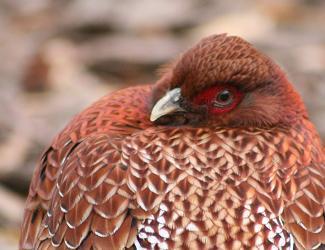
Close Relative (c) Stavenn, some rights reserved (CC BY-SA) · cc-by-sa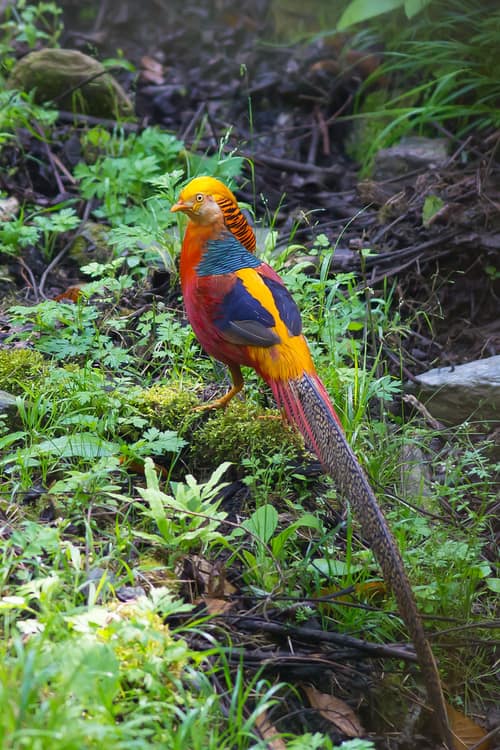
Co-Occurring Relative "Golden Pheasant, Tangjiahe Nature Reserve, Sichuan, China" by jmhullot is licensed under CC BY 2.0. To view a copy of this license, visit https://creativecommons.org/licenses/by/2.0/. · cc-by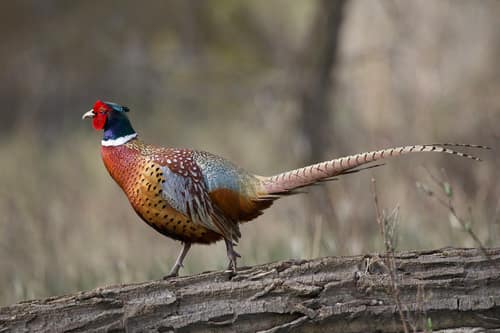
Sympatric Relative (c) John Krampl, some rights reserved (CC BY), uploaded by John Krampl · cc-by
Help improve the field guideSomething wrong?
Checking your Fauna account…Report a name, category, or profile issue for review.