
Bird · GBIF taxon 2473421
Willow Ptarmigan
Lagopus lagopusAlso known as Willow Grouse, Red Grouse
Willow ptarmigan undergo a complete seasonal plumage change, transitioning from brilliant white in winter to rich mottled brown and rusty shades during the summer tundra breeding season. Feathered toes function like natural snowshoes, allowing them to walk easily over deep arctic snowpack while foraging on willow buds and catkins. During spring courtship, males perform dramatic aerial displays accompanied by guttural belching territorial calls that echo across northern moorlands.
ArcticCamouflageGround Nesting
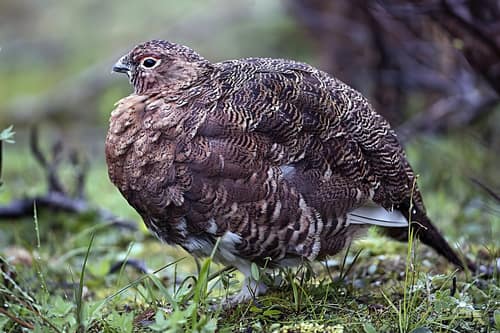
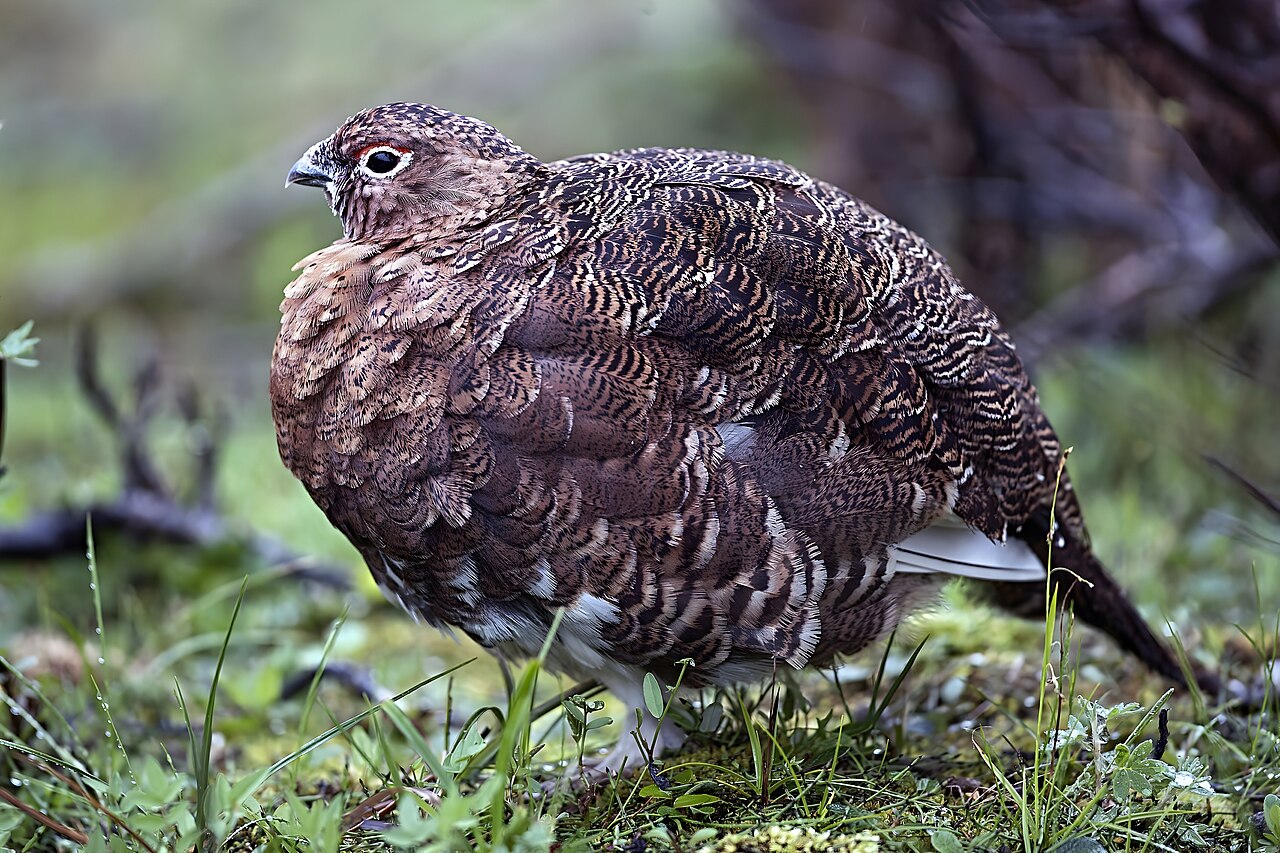
—observations
—countries
—peak records
Least ConcernConservation statusIUCN Red List categoriesLCNTVUENCREWEXLeast ConcernRed List categories, explained →
Diet & prey
- Willow Buds
- Birch Catkins
- Blueberries
Predators
- Gyrfalcon
- Arctic Fox
- Golden Eagle
ThreatsClimate change, habitat alteration, hunting pressure
HabitatsTundra, alpine meadows, subarctic shrublands, birch forests
Life span3–7 years
Size / weightNot available
Classification
- FamilyPhasianidae
- SpeciesLagopus lagopus
Range data is not available yet.
Interaction riskLow
- Low
- Moderate
- High
- Very high
- Why interaction risk is low
- Safe to observe at a normal distance.
Responsible observation
- Spring Observation: Watch for territorial male display flights and guttural calls along shrubby tundra edges early in the season.
- Distance Control: Maintain a respectful distance to avoid flushing nesting birds from their well-concealed ground nests.
- Winter Tracking: Look for distinctive snowshoe-like tracks and feather marks around willow thickets.
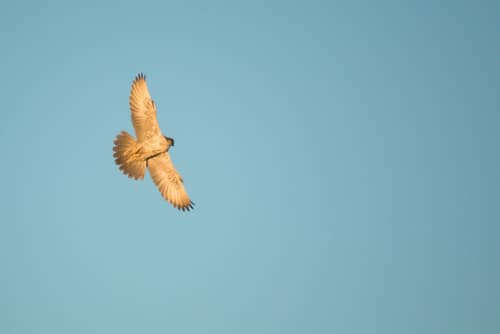
Predator (c) psweet, some rights reserved (CC BY-SA), uploaded by psweet · cc-by-sa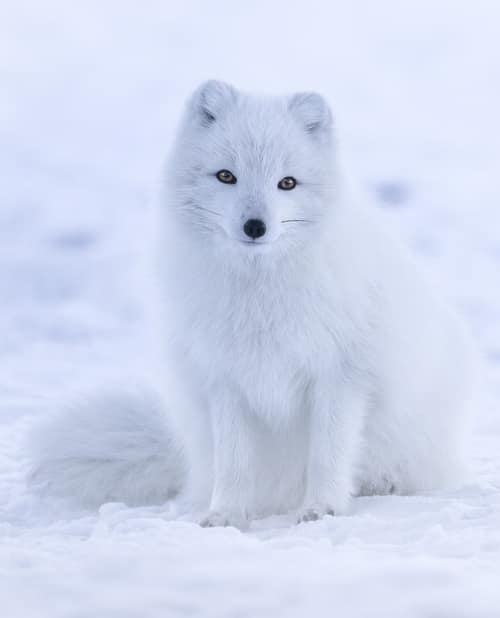
Predator Jonathen Pie https://unsplash.com/@r3dmax / CC0 · cc0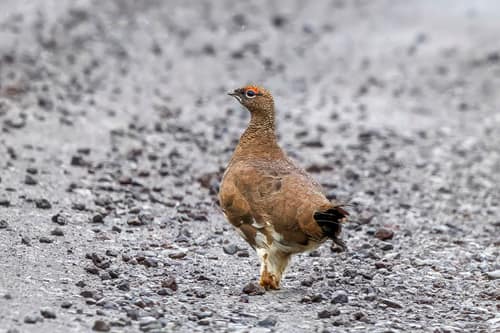
Close Relative Charles J. Sharp / CC BY-SA 4.0 · cc-by-sa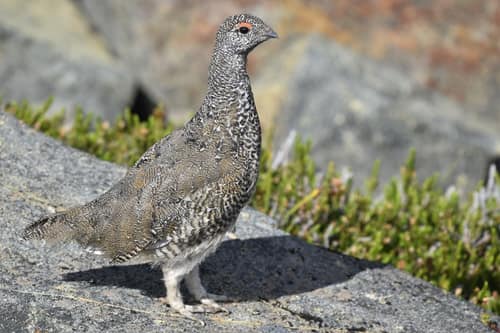
Close Relative no rights reserved, uploaded by Braden J. Judson · cc0
Help improve the field guideSomething wrong?
Checking your Fauna account…Report a name, category, or profile issue for review.