
Reptile · GBIF taxon 2473222
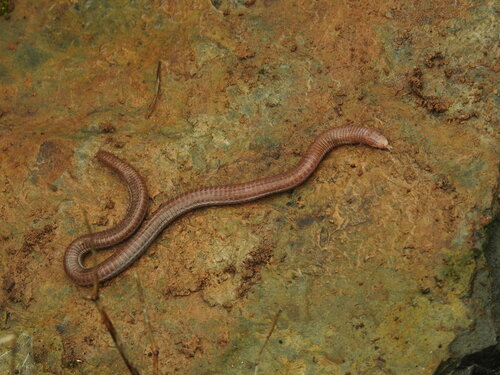
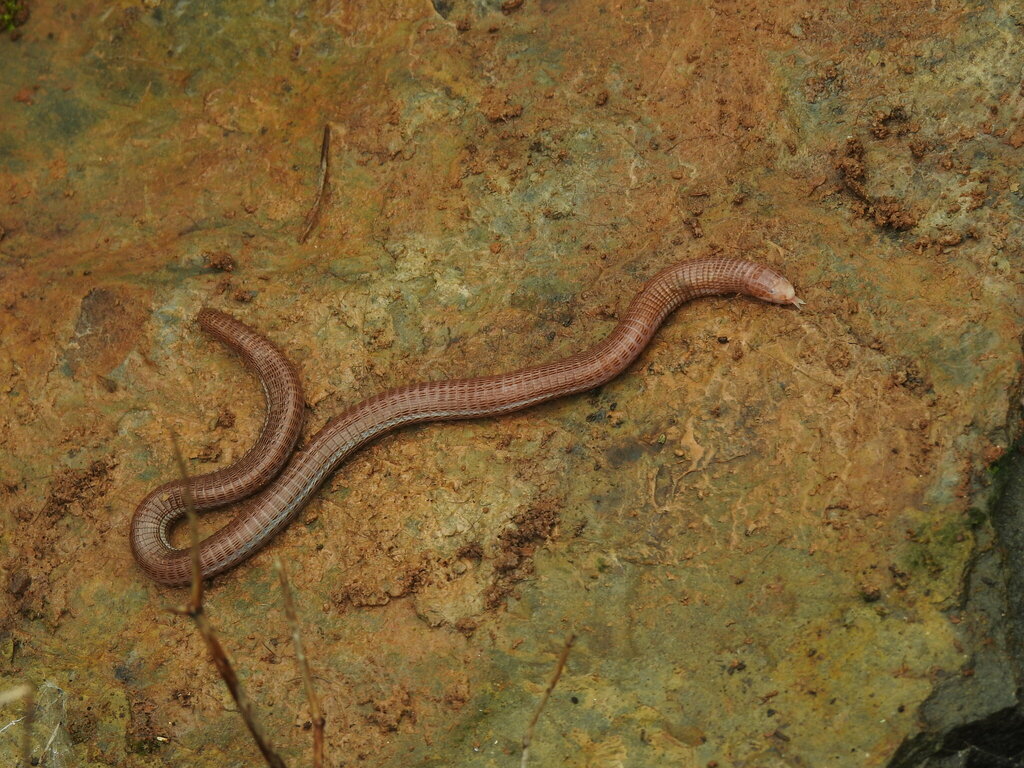
Southwest Iberian Worm Lizard
Blanus cinereusAlso known as Iberian Worm Lizard, Mediterranean Worm Lizard, European Worm Lizard
Subterranean by nature, these limbless reptiles spend almost their entire lives tunneling through damp topsoil, leaf litter, and embedded stones, using reinforced skulls to bulldoze through compact earth. Their minute eyes are shielded by translucent scales, leaving them to navigate underground mazes through keen scent and acute sensitivity to vibrations. Females lay small clutches of elongated eggs in deep subterranean burrows, where stable soil humidity protects developing young from harsh Mediterranean droughts.
FossorialReptileEndemic
—observations
—countries
—peak records
Least ConcernConservation statusIUCN Red List categoriesLCNTVUENCREWEXLeast ConcernRed List categories, explained →
Diet & prey
- Ant larvae
- Earthworms
- Beetle larvae
Predators
- Southern Smooth Snake
- Montpellier Snake
- Wild Boar
ThreatsAgricultural intensification, deep mechanical plowing, soil compaction, and excessive pesticide usage
HabitatsMediterranean oak woodlands, scrubby maquis, pine groves, and traditional stone-walled farmland
Life span10–15 years
Size / weightNot available
Classification
- FamilyBlanidae
- GenusBlanus
- SpeciesBlanus cinereus
Range data is not available yet.
Interaction riskLow
- Low
- Moderate
- High
- Very high
- Why interaction risk is low
- Safe to observe at a normal distance.
Responsible observation
- Spring rock flipping: Look under flat, warm rocks during moist spring mornings when individuals thermoregulate near the surface.
- Gentle replacement: Carefully lower any lifted stones back to their original position to protect subterranean tunnels.
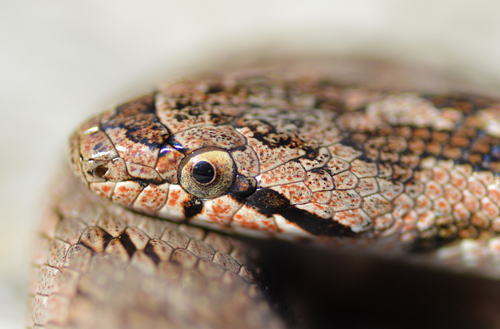
Predator (c) Alexandre Roux, some rights reserved (CC BY-SA) · cc-by-sa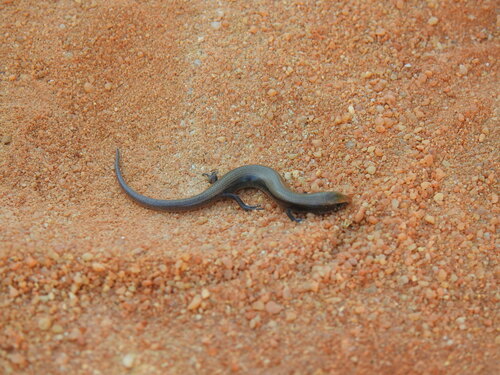
Neighbor (c) Duarte Frade, some rights reserved (CC BY) · cc-by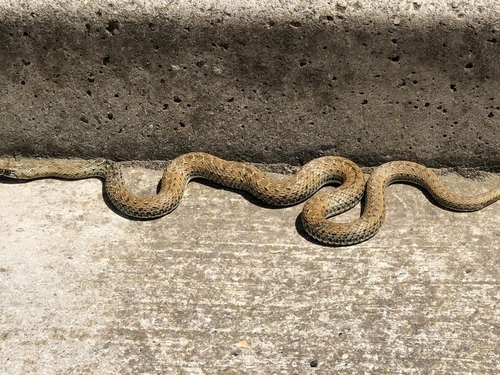
Predator (c) Samuel GUIRAUDOU, some rights reserved (CC BY) · cc-by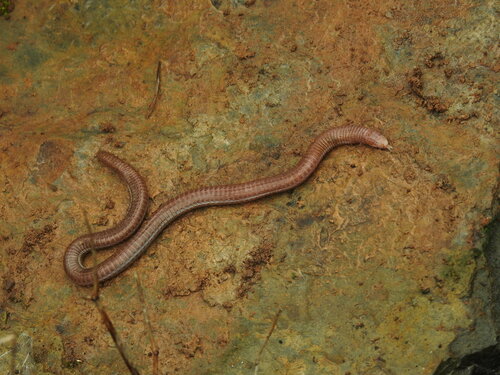
Close Relative (c) Duarte Frade, some rights reserved (CC BY) · cc-by
Help improve the field guideSomething wrong?
Checking your Fauna account…Report a name, category, or profile issue for review.