
Reptile
Komodo Dragon
Varanus komodoensisAlso known as Komodo Monitor, Ora
Komodo dragons are apex predators that hunt by stalking prey before striking with powerful jaws and serrated teeth. Secretions from specialized venom glands induce shock and prevent blood clotting in wounded prey, allowing these giant reptiles to track escaping animals over long distances. Females dig deep subterranean burrows to lay clutches of up to 30 eggs that incubate for eight months.
ReptileApex PredatorVenomous
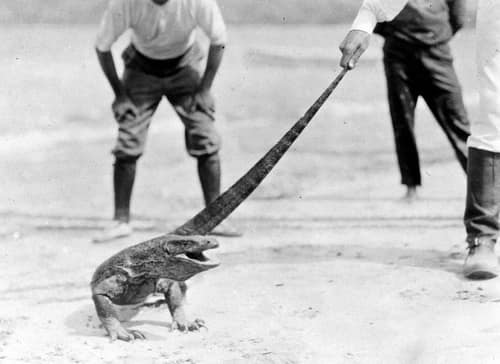
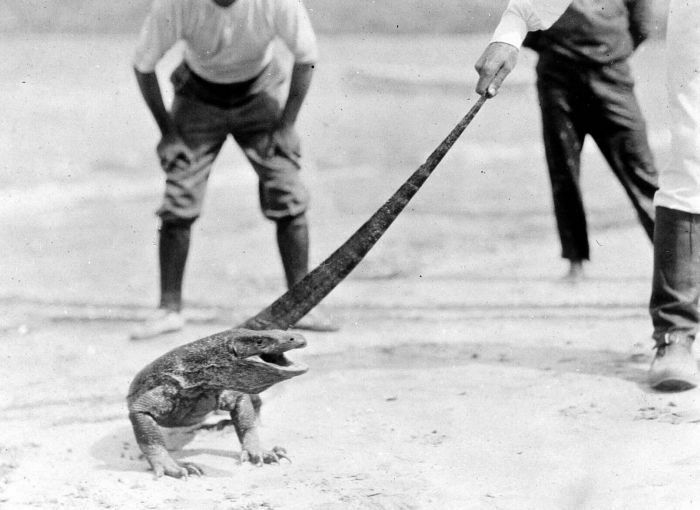
—observations
—countries
—peak records
EndangeredConservation statusIUCN Red List categoriesLCNTVUENCREWEXEndangeredRed List categories, explained →
Diet & preySunda Sambar Deer, Wild Boar, Water Buffalo
Predators
- Adult Komodo Dragons
- Feral Dogs
- Birds of Prey
ThreatsHabitat degradation, climate change, prey reduction
HabitatsTropical dry forest, savanna, open woodland
Life span30–50 years
Classification
- FamilyVaranidae
- GenusVaranus
- SpeciesVaranus komodoensis
Range data is not available yet.
Interaction riskVery high
- Low
- Moderate
- High
- Very high
- Why interaction risk is very high
- Venomous bites and large size make close contact dangerous; keep at least 10 meters distance.
- Why it is dangerous
- Possesses sharp serrated teeth, crushing jaws, and anticoagulant venom glands that rapidly cause shock and blood loss.
- How to recognize a risky encounter
- Recognized by its immense muscular body, dark grey scales, long yellow deeply-forked tongue, and thick tail.
- What to do
- Always remain with licensed guides, keep at least 10 meters distance, and never touch or corner an individual.
- What to notice
- Endemic to a handful of Indonesian islands within and around Komodo National Park.
- Support conservation
- Stick strictly to marked park trails, never offer food, and follow all ranger instructions.
Responsible observation
- Maintain Distance: Stay at least 10 meters away because dragons can sprint in fast short bursts.
- Travel with Guides: Explore habitat exclusively alongside licensed national park rangers.
- Avoid Low Vegetation: Watch ground cover carefully since dragons camouflage well in dry brush.
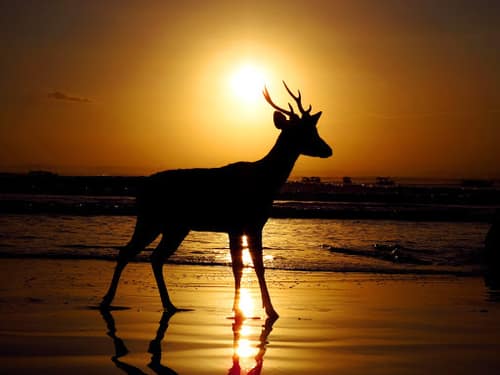
Primary Prey (c) Jason Alexander, some rights reserved (CC BY), uploaded by Jason Alexander · cc-by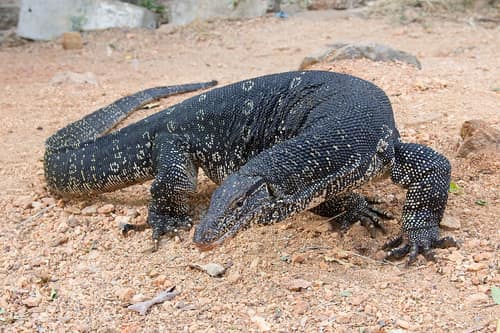
Close Relative Carlos Delgado / CC BY-SA 4.0 · cc-by-sa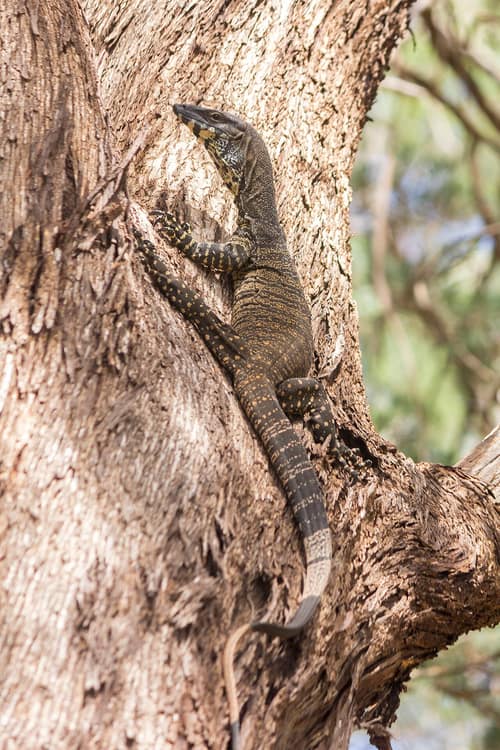
Close Relative Bidgee / CC BY-SA 3.0 au · cc-by-sa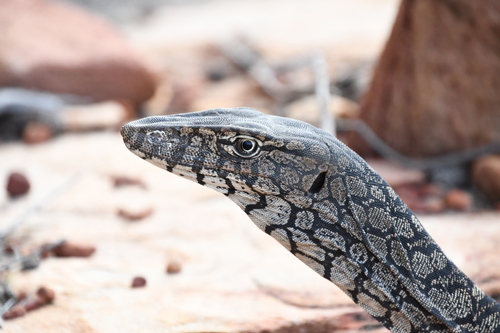
Close Relative (c) Thomas Mesaglio, some rights reserved (CC BY) · cc-by
Help improve the field guideSomething wrong?
Checking your Fauna account…Report a name, category, or profile issue for review.