
Reptile · GBIF taxon 2470739
Perentie
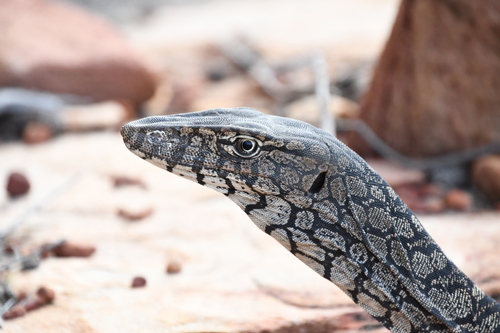
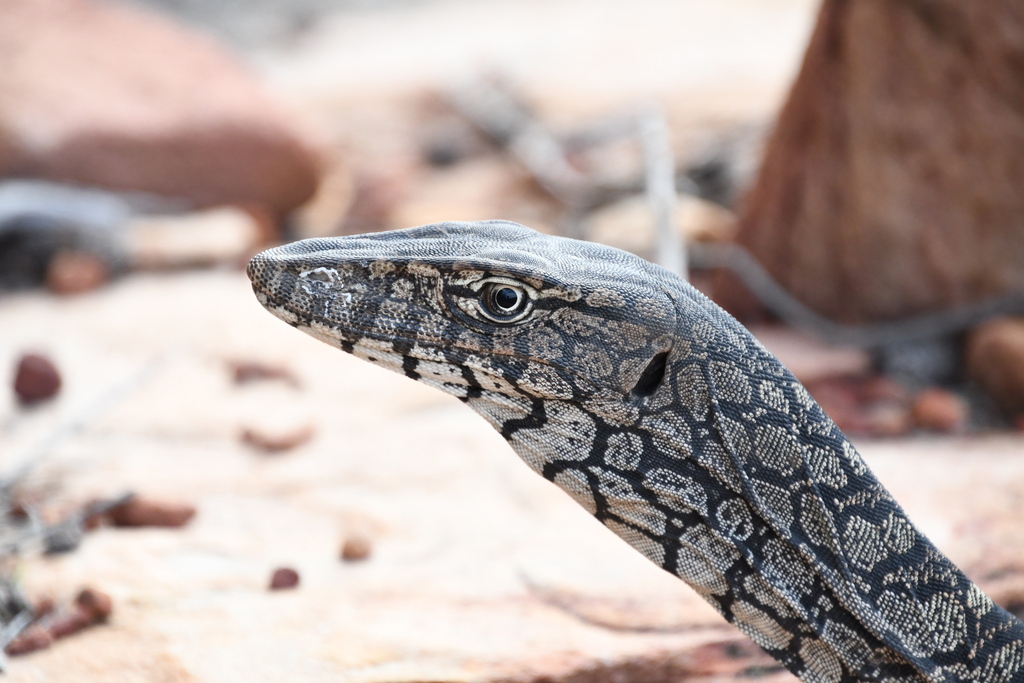
Varanus giganteusPerenties are the largest lizards native to the Australian continent, commanding the rocky gorges and arid interior with formidable speed and sharp predatory senses. When scanning for prey or assessing danger, they readily rise onto their hind legs using their muscular tail as a tripod in a distinctive periscoping posture. Highly elusive and naturally wary of humans, these apex desert reptiles excavate extensive burrows or shelter deep inside rocky crevices to escape blistering midday heat.
ReptileCarnivoreDesert
—observations
—countries
—peak records
Least ConcernConservation statusIUCN Red List categoriesLCNTVUENCREWEXLeast ConcernRed List categories, explained →
Diet & prey
- Bearded Dragon
- Spinifex Hopping Mouse
- Central Netted Dragon
Predators
- Dingo
- Wedge-tailed Eagle
ThreatsHabitat disruption, vehicle strikes, and predation of young by introduced predators
HabitatsArid rocky outcrops, desert sandplains, and spinifex grasslands
Life span15–20 years
Classification
- FamilyVaranidae
- SpeciesVaranus giganteus
Range data is not available yet.
Interaction riskLow
- Low
- Moderate
- High
- Very high
- Why interaction risk is low
- Sharp teeth, powerful claws, and tail-whips can inflict serious wounds; observe from a respectful distance.
- Why it is dangerous
- Possesses serrated recurved teeth, sharp talons, and a whip-like tail capable of causing deep lacerations and severe bacterial infection.
- How to recognize a risky encounter
- Look for a massive body adorned with a cream-and-dark-brown geometric rosette pattern and a pale, yellowish throat.
- What to do
- Do not attempt to corner, corner-trap, or handle; step back slowly if the lizard puffs its throat and hisses.
Responsible observation
- Distance: Maintain a wide buffer of at least 10 meters, as cornered perenties will hiss, puff up, and lash out.
- Observation: Scan rocky outcrops and desert washes during cooler morning hours before ground temperatures peak.
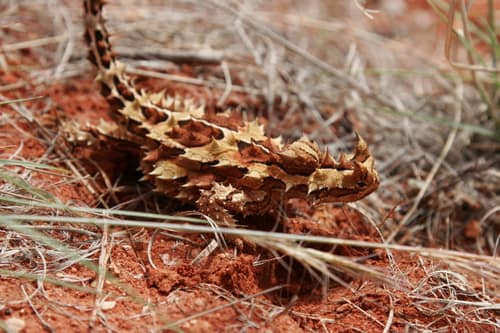
Neighbor (c) Steve Shattuck, some rights reserved (CC BY) · cc-by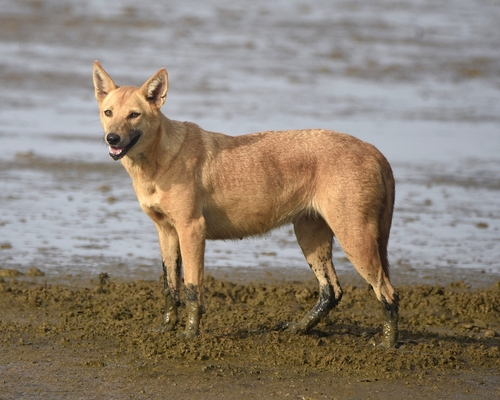
Competitor (c) Afsar Nayakkan, some rights reserved (CC BY), uploaded by Afsar Nayakkan · cc-by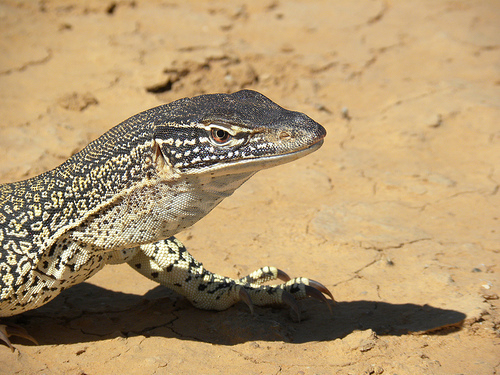
Close Relative (c) Alan Couch, some rights reserved (CC BY) · cc-by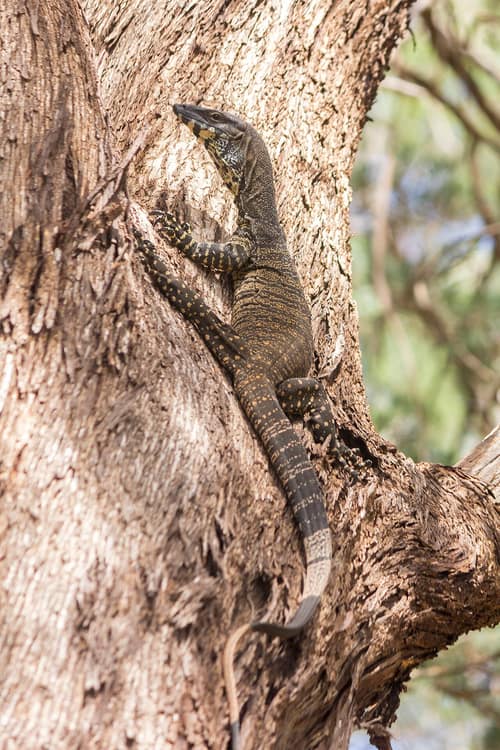
Close Relative Bidgee / CC BY-SA 3.0 au · cc-by-sa
Help improve the field guideSomething wrong?
Checking your Fauna account…Report a name, category, or profile issue for review.