
Reptile
Javan Spitting Cobra
Naja sputatrixAlso known as Indonesian Cobra, Komodo Spitting Cobra, Javan Cobra
Javan spitting cobras are adaptable nocturnal predators that navigate monsoon forests, agricultural clearings, and suburban gardens across the Indonesian archipelago. When cornered, these snakes rear up, expand broad hoods, and force venom through specialized fangs to spray intruders at distances up to two meters. Their diet consists primarily of small rodents, amphibians, and smaller snakes, making them key biological controls for agricultural pests.
VenomousReptileNocturnal
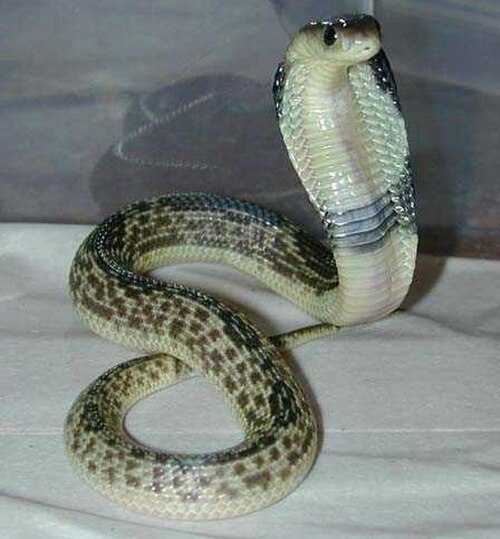
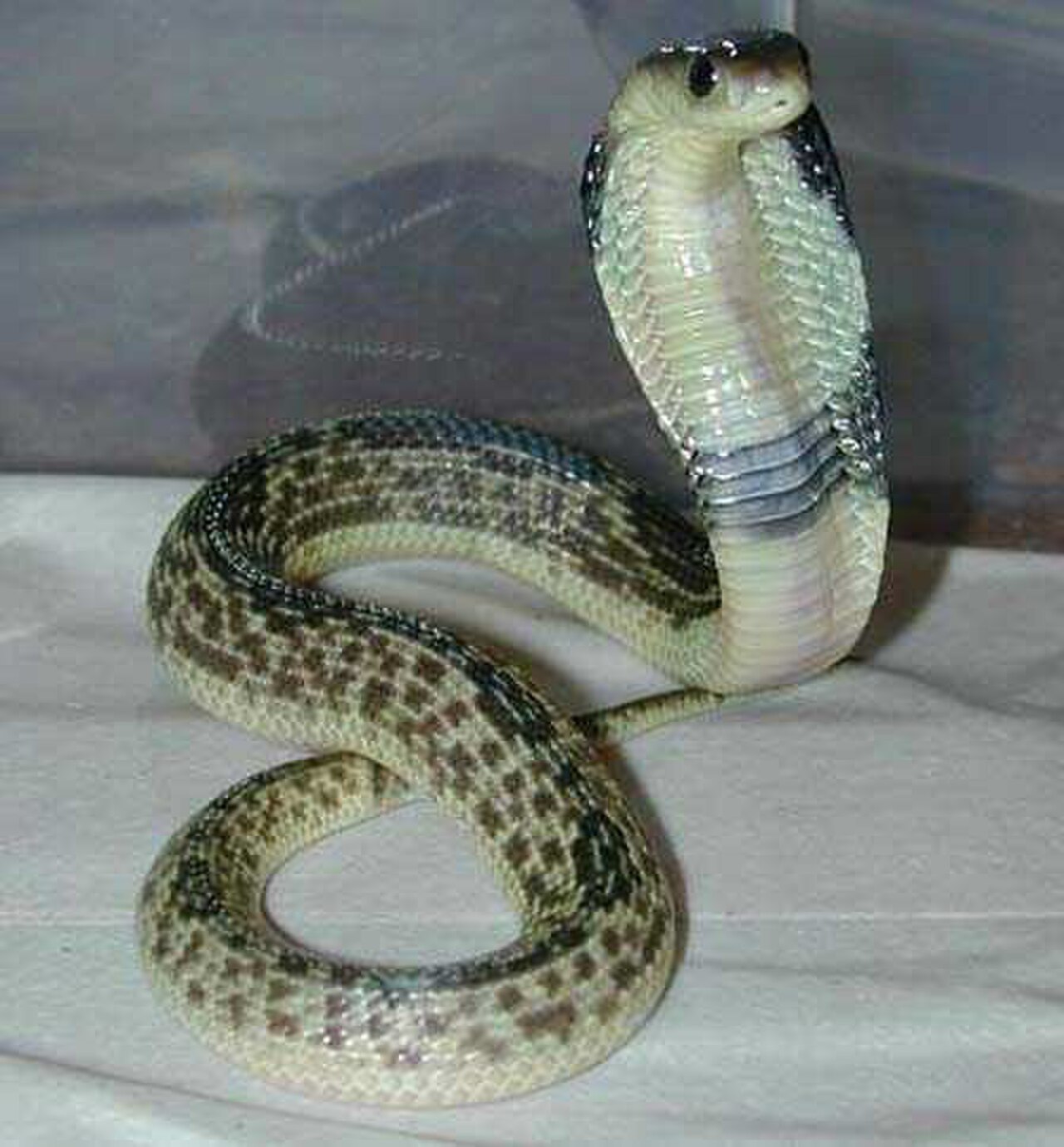
—observations
—countries
—peak records
Least ConcernConservation statusIUCN Red List categoriesLCNTVUENCREWEXLeast ConcernRed List categories, explained →
Diet & preyRats, Frogs, Lizards
Predators
- King Cobra
- Asian Water Monitor
- Raptors
ThreatsDirect persecution, vehicle collisions, skin trade harvest
HabitatsTropical rainforest, monsoon forest, agricultural fields, rural villages
Life span15–20 years
Classification
- FamilyElapidae
- SpeciesNaja sputatrix
Range data is not available yet.
Interaction riskVery high
- Low
- Moderate
- High
- Very high
- Why interaction risk is very high
- Spits neurotoxic venom with high accuracy toward eyes; observe from at least three meters away.
- Why it is dangerous
- Possesses cytotoxic and neurotoxic venom capable of causing extreme eye damage or tissue necrosis if spat or injected.
- How to recognize a risky encounter
- Look for a uniform brown to black body with an expanding hood and upright defensive posture when threatened.
- What to do
- Do not attempt to corner or handle; back away smoothly while keeping face and eyes covered.
Responsible observation
- Distance Precaution: Remain at least three meters away to stay safely outside the range of defensive venom spraying.
- Footwear Strategy: Wear sturdy boots and long pants when exploring high grass or farm fields in its native range.
- Field Awareness: Avoid placing hands into hollow logs, rock piles, or unlit brush where cobras rest during the day.
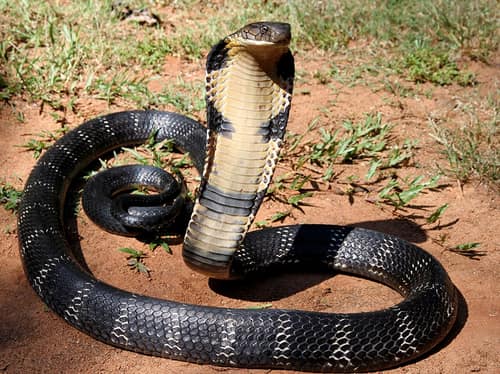
Predator Michael Allen Smith from Seattle, USA / CC BY-SA 2.0 · cc-by-sa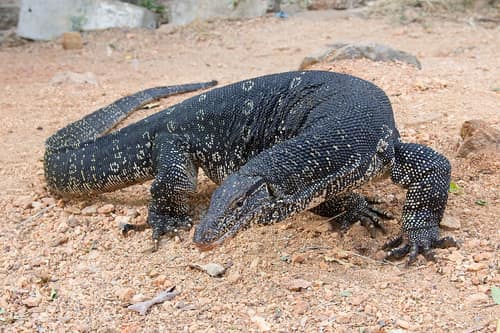
Competitor Carlos Delgado / CC BY-SA 4.0 · cc-by-sa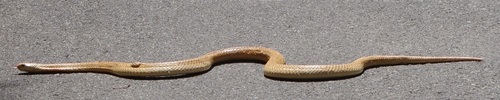
Close Relative (c) bernhard_hiller, some rights reserved (CC BY) · cc-by
Help improve the field guideSomething wrong?
Checking your Fauna account…Report a name, category, or profile issue for review.