
Reptile · GBIF taxon 2470351
Indian Cobra
Naja najaAlso known as Spectacled Cobra, Asian Cobra, Binocellate Cobra
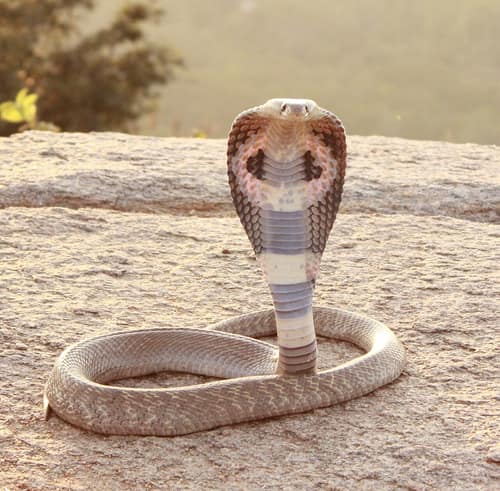
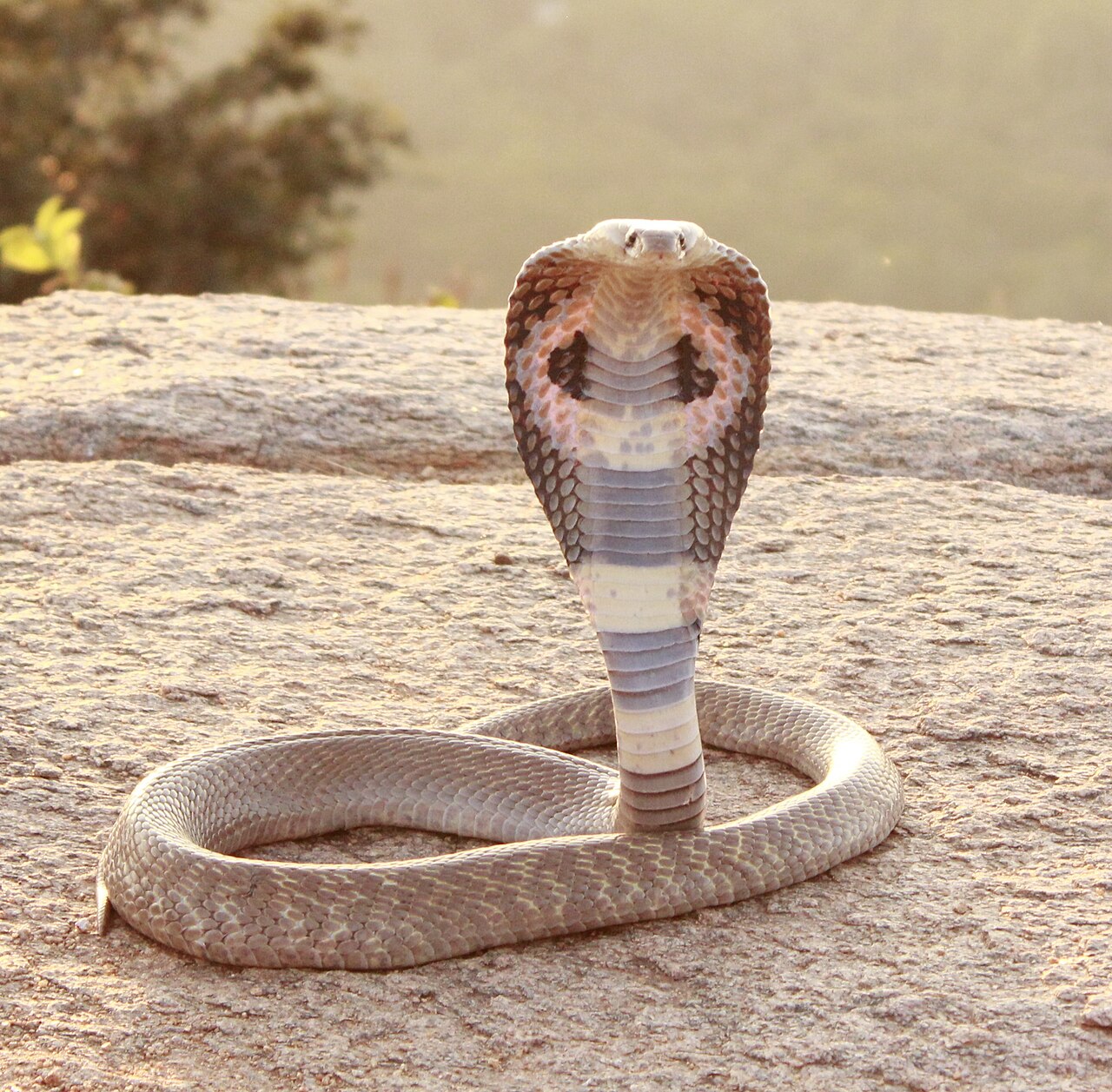
Indian cobras are revered and feared across South Asia, famous for expanding their neck ribs into a broad hood when threatened. Most individuals feature a distinctive spectacle mark on the rear of their hood, which serves as a visual deterrent to potential predators from behind. They adapt readily to agricultural environments and urban margins where rodent prey is plentiful, bringing them into frequent contact with human populations.
VenomousReptileIconic
—observations
—countries
—peak records
Least ConcernConservation statusIUCN Red List categoriesLCNTVUENCREWEXLeast ConcernRed List categories, explained →
Diet & prey
- Rats and Mice
- Toads and Frogs
- Small Birds
Predators
- Indian Grey Mongoose
- Peafowl
- Brahminy Kite
ThreatsPersecution by humans, road mortality, habitat loss, and illegal trade
HabitatsAgricultural fields, open forests, wetlands, and suburban margins
Life span15–20 years
Size / weightNot available
Classification
- FamilyElapidae
- SpeciesNaja naja
Range data is not available yet.
Interaction riskVery high
- Low
- Moderate
- High
- Very high
- Why interaction risk is very high
- Potentially lethal neurotoxic venom; maintain a safe distance and never attempt to handle or corner one.
- Why it is dangerous
- Possesses potent neurotoxic venom that causes progressive paralysis, respiratory failure, and tissue damage requiring prompt antivenom treatment.
- How to recognize a risky encounter
- Look for a slender brown or black body, an expanded hood when raised, and the signature spectacle pattern on the rear neck.
- What to do
- Freeze and slowly step back if encountered; give the snake a clear path to flee and never attempt to approach or handle it.
Responsible observation
- Observe from afar: Keep a distance of at least 3 to 4 meters, well outside strike range.
- Avoid cornering: Never cut off a cobra's exit route or attempt to touch or capture it.
- Use light at night: Carry a flashlight after dark in areas where cobras are active to avoid stepping on one.
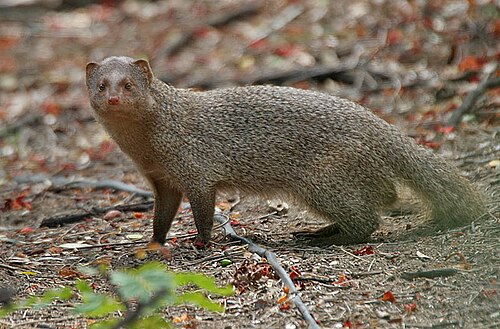
Predator J.M.Garg / CC BY-SA 3.0 · cc-by-sa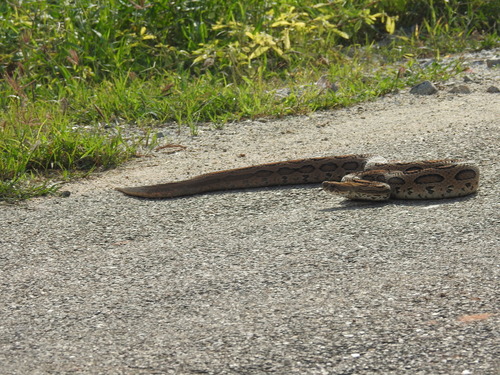
Co-Occurring Big Four (c) Ashwin Viswanathan, some rights reserved (CC BY) · cc-by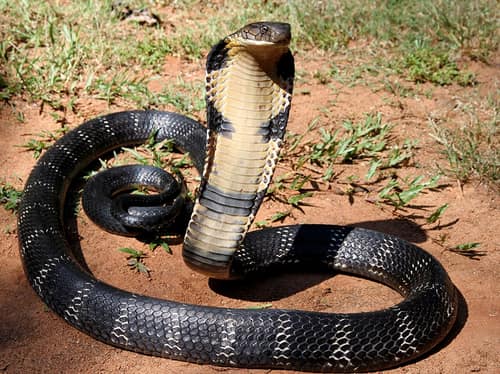
Close Relative Michael Allen Smith from Seattle, USA / CC BY-SA 2.0 · cc-by-sa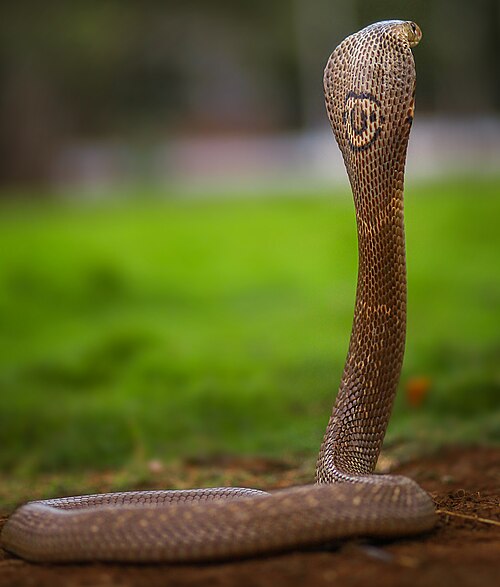
Close Relative Akash M. Deshmukh / CC BY-SA 4.0 · cc-by-sa
Help improve the field guideSomething wrong?
Checking your Fauna account…Report a name, category, or profile issue for review.