
Reptile · GBIF taxon 2470319
Chinese Cobra
Naja atraAlso known as Taiwan Cobra
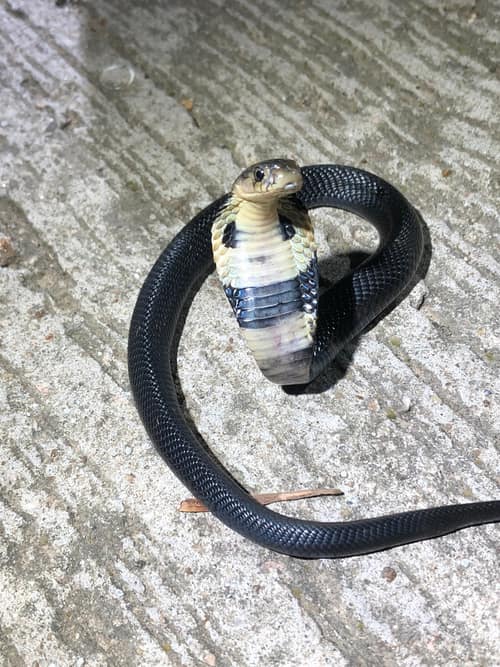
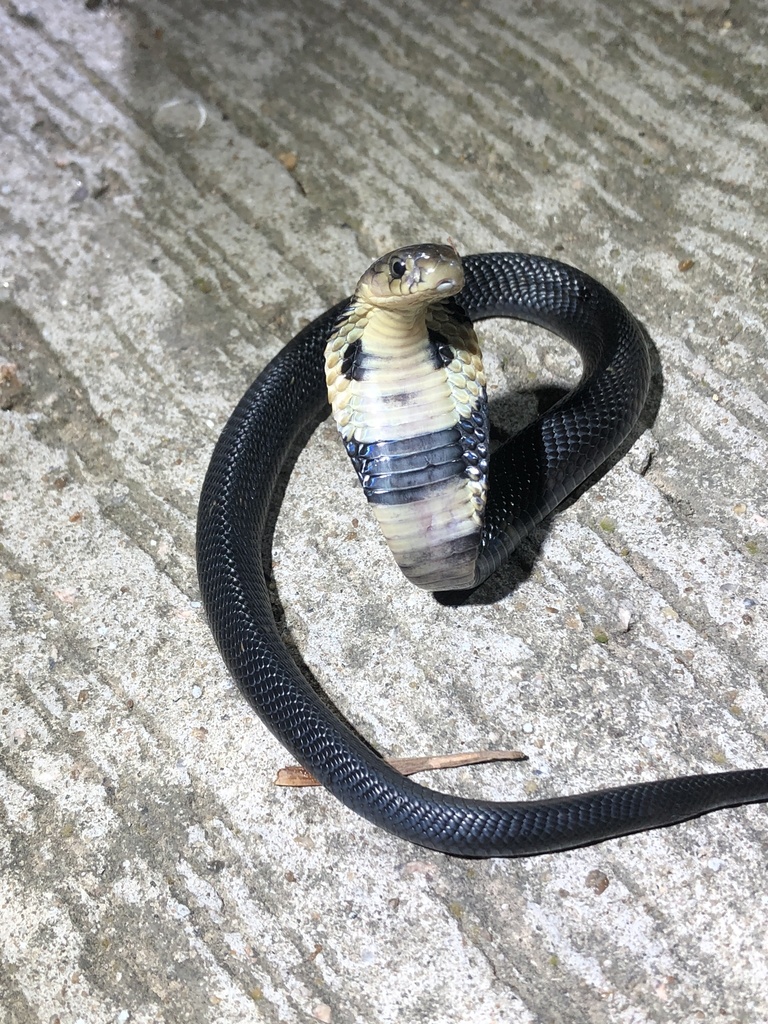
Chinese cobras are adaptable predators inhabiting agricultural fields, shrublands, and woodland margins across southern East Asia. When threatened, adults lift the front third of their body, flare a broad dark hood marked with white spectacle patterns, and hiss loudly before striking. Their venom contains powerful cytotoxins and neurotoxins, making them one of the most clinically significant snakes in their native range.
VenomousReptileDiurnal
 1 / 7
1 / 7—observations
—countries
—peak records
VulnerableConservation statusIUCN Red List categoriesLCNTVUENCREWEXVulnerableRed List categories, explained →
Diet & prey
- Frogs
- Rodents
- Other Snakes
Predators
- King Cobra
- Mongooses
- Raptors
ThreatsHabitat destruction, collection for trade, vehicle collisions
HabitatsShrublands, grasslands, agricultural fields, forest edges
Life span12–20 years
Size / weightNot available
Classification
- FamilyElapidae
- SpeciesNaja atra
Range data is not available yet.
Interaction riskVery high
- Low
- Moderate
- High
- Very high
- Why interaction risk is very high
- Highly venomous bite causing tissue damage and systemic toxicity; maintain a safe distance at all times.
- Why it is dangerous
- Delivers cytotoxic and neurotoxic venom causing intense pain, tissue necrosis, and respiratory distress without rapid medical care.
- How to recognize a risky encounter
- Dark grey to black body featuring a broad hood with a distinctive white horseshoe or spectacle mark on the back.
- What to do
- Never corner or attempt to capture this snake; back away slowly if it assumes a raised threat posture.
- What to notice
- Medium-sized dark snake that rears up and flares a broad hood when disturbed.
- Support conservation
- Keep clear of wild individuals and refrain from disturbing agricultural burrows or field rock piles where they shelter.
Responsible observation
- Distance Warning: Stay at least five meters away if a snake rears up or spreads its hood.
- Footwear Caution: Wear sturdy boots and watch your footing near stone walls and thick brush.
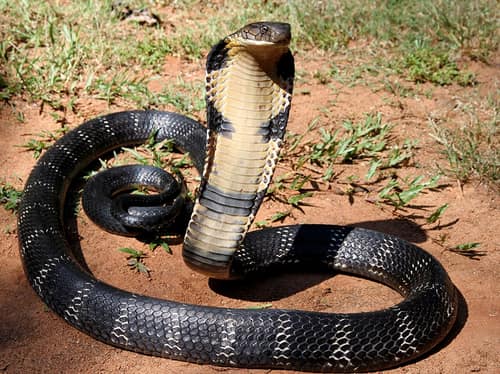
Predator Michael Allen Smith from Seattle, USA / CC BY-SA 2.0 · cc-by-sa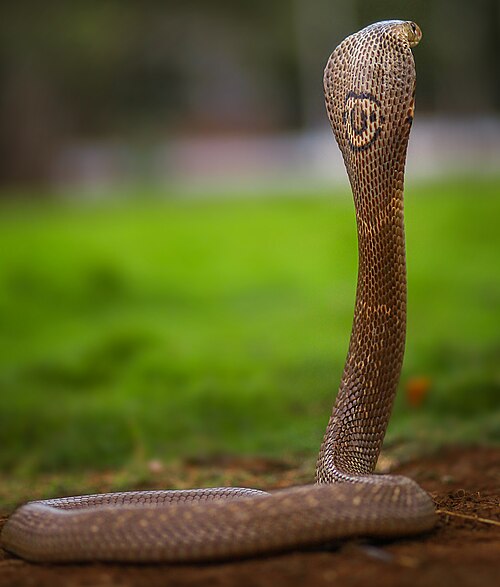
Close Relative Akash M. Deshmukh / CC BY-SA 4.0 · cc-by-sa Image unavailable
Close Relative
Help improve the field guideSomething wrong?
Checking your Fauna account…Report a name, category, or profile issue for review.