Also known as Philippine Spitting Cobra, Northern Philippine Cobra
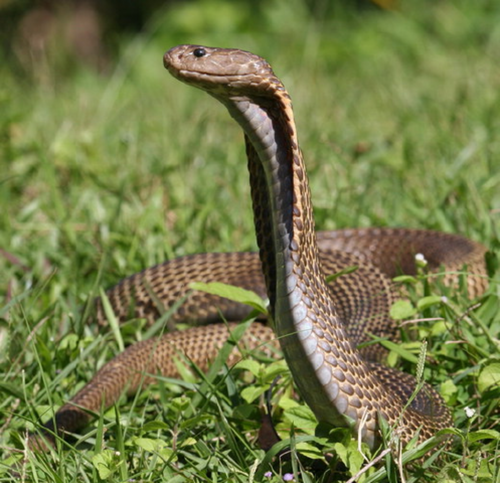
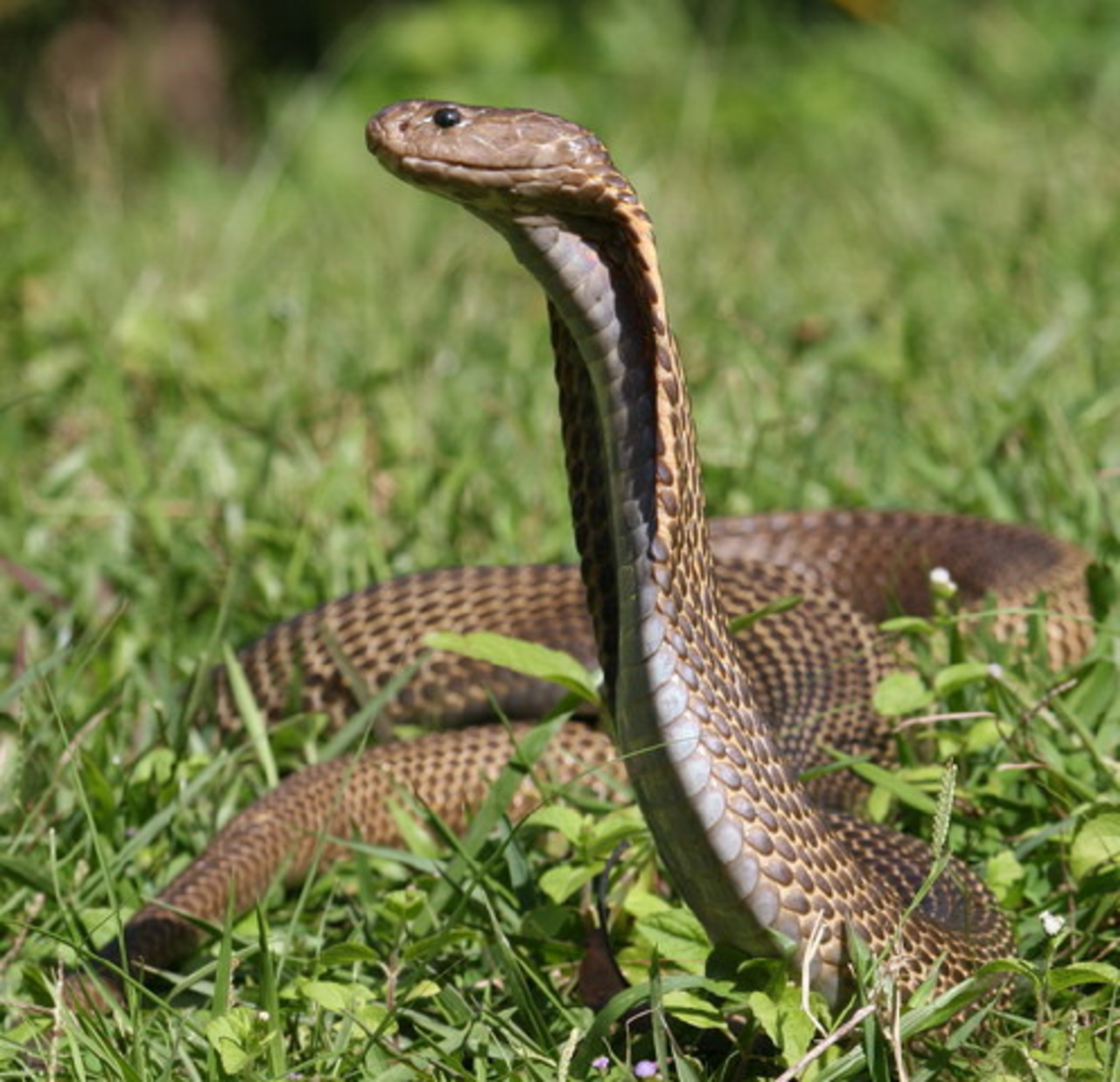
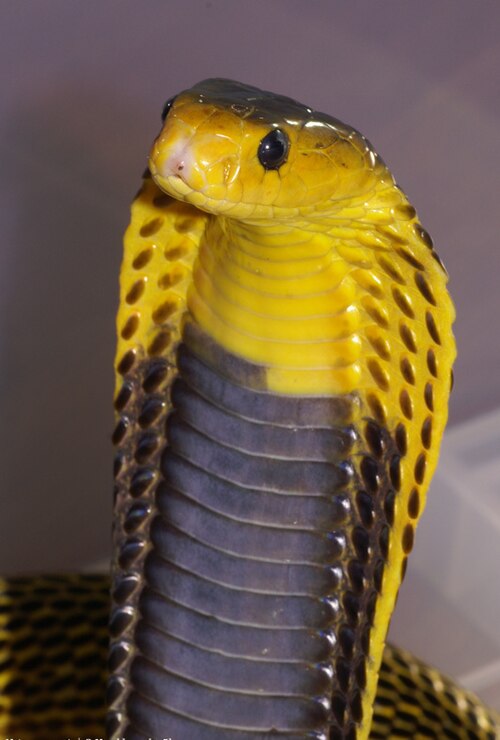
Philippine cobras are medium-sized elapids recognized for their potent neurotoxic venom and ability to spit defensive sprays accurately up to three meters. Primarily nocturnal hunters of agricultural wetlands and lowlands across northern Philippine islands, they adapt readily to rice paddies where rodent populations thrive. When confronted, they rear their forebodies, spread a broad hood, and deliver hissing warnings before projecting venom toward the eyes of perceived threats.
ThreatsHabitat loss, agricultural expansion, persecution by humans, and harvesting for traditional medicine or skins
HabitatsLowland plains, grasslands, agricultural fields, open woodlands, and freshwater edges
Life span15–20 years
Classification
FamilyElapidae
SpeciesNaja philippinensis
Range & activity
Range data is not available yet.
Safe observation
Interaction riskVery high
Low
Moderate
High
Very high
Why interaction risk is very high
Highly venomous and spits venom accurately up to three meters; keep a safe distance and protect eyes.
Why it is dangerous
Possesses lethal postsynaptic neurotoxins that trigger rapid respiratory paralysis, along with cytotoxins that cause severe eye injury or blindness upon contact.
How to recognize a risky encounter
Stocky build with light to medium brown scales, dark throat markings, and a wide hood flared horizontally when threatened.
What to do
Never corner, approach, or handle; back away smoothly while keeping face and eyes shielded.
What to notice
Recognizable across northern Philippine wetlands and farmlands by its uniform brown dorsal hue and characteristic hooding posture.
Support conservation
Do not kill or disturb individuals; contact local wildlife authorities or trained rescue handlers for safe relocation.
Responsible observation
Observation Distance: Stay at least 4 to 5 meters back to remain well outside effective spitting range.
Protective Gear: Wear wrap-around safety glasses and tall boots when walking through tall grass or rice paddies.
Encounter Protocol: Back away slowly without sudden movements if a cobra rears up or spreads its hood.