
Reptile · GBIF taxon 2469188
Common Wall Lizard
Podarcis muralisAlso known as European Wall Lizard, Wall Lizard
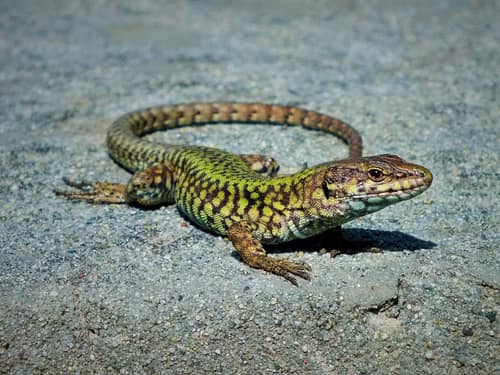
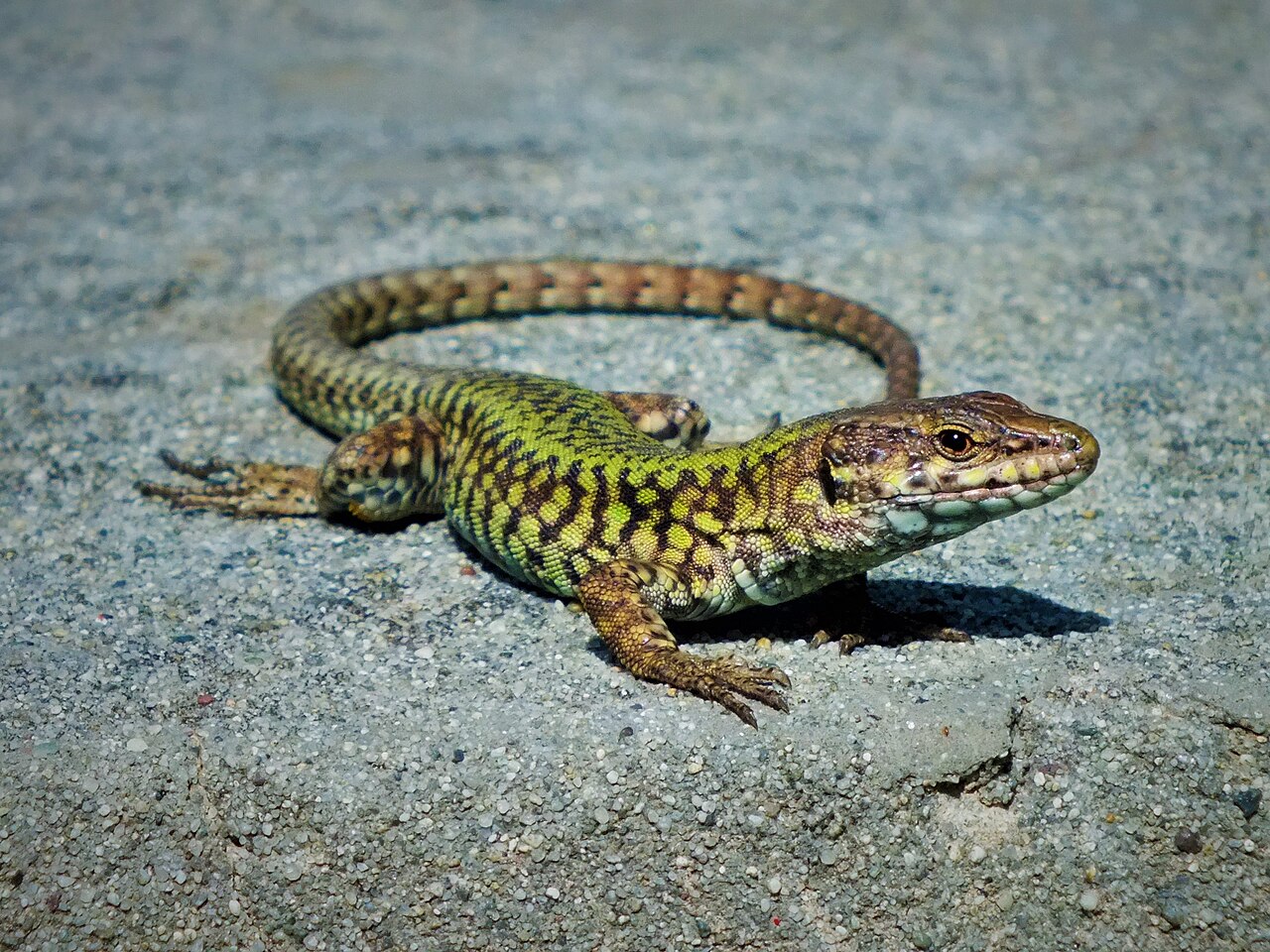
Common wall lizards are swift, sun-loving reptiles frequently seen basking on warm masonry, rock piles, and stone fences across Europe and introduced urban areas in North America. Males display vibrant belly patterns ranging from bright orange to green, using these colors along with head-bobbing displays to establish territory and court females. Highly adaptable and agile climbers, they dart into crevices at the slightest sign of danger.
DiurnalAgile ClimberReptile
—observations
—countries
—peak records
Least ConcernConservation statusIUCN Red List categoriesLCNTVUENCREWEXLeast ConcernRed List categories, explained →
Diet & prey
- Spiders
- Beetles
- Flies
Predators
- Domestic Cats
- Birds of Prey
- Snakes
ThreatsHabitat modernization, pesticide use, predation by domestic cats
HabitatsRocky outcrops, stone walls, urban gardens, railway embankments
Life span5–10 years
Size / weightNot available
Classification
- FamilyLacertidae
- GenusPodarcis
- SpeciesPodarcis muralis
Range data is not available yet.
Interaction riskLow
- Low
- Moderate
- High
- Very high
- Why interaction risk is low
- Safe to observe at a normal distance.
Responsible observation
- Look for Basking: Approach sunny stone walls slowly during mid-morning when lizards absorb warmth.
- Watch Movement: Remain still near a wall and individuals will quickly resume hunting and territorial displays.
- Avoid Shadowing: Keep your shadow off the lizard, as sudden light changes trigger immediate escape into crevices.
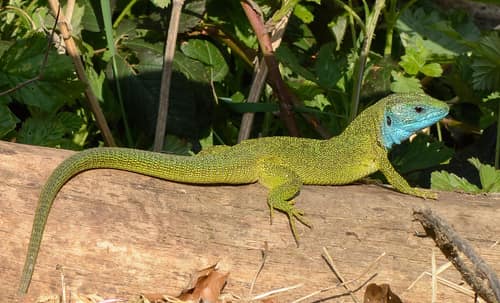
Larger Cousin Uoaei1 / CC BY-SA 4.0 · cc-by-sa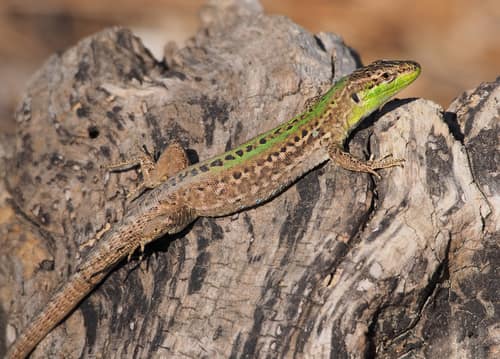
Close Relative (c) Petar Milošević, some rights reserved (CC BY-SA) · cc-by-sa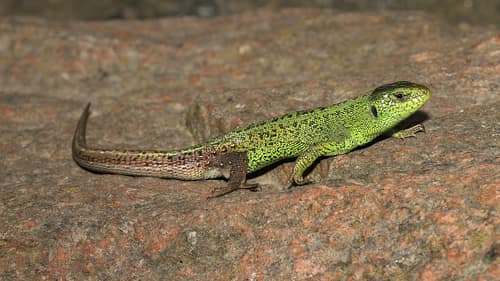
Family Relative George Chernilevsky / Public domain · cc0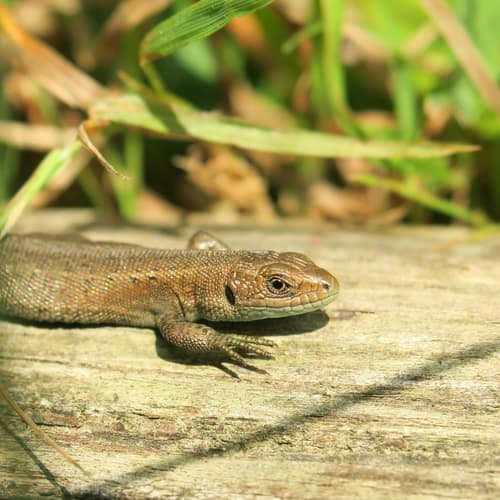
Co-occurring Relative (c) nearwildhelen, some rights reserved (CC BY) · cc-by
Help improve the field guideSomething wrong?
Checking your Fauna account…Report a name, category, or profile issue for review.