
Reptile · GBIF taxon 2465641
Central Bearded Dragon
Pogona vitticepsAlso known as Inland Bearded Dragon
Central bearded dragons spend their days basking on elevated fence posts, rocks, and fallen branches across Australia's arid interior. When threatened or defending territory, they flatten their bodies, flare open their spiky throat pouches, and darken their scales to project an intimidating presence. They rely on expressive social signaling, using slow arm-waving to show submission and rhythmic head-bobbing to establish dominance.
DiurnalReptileDesert
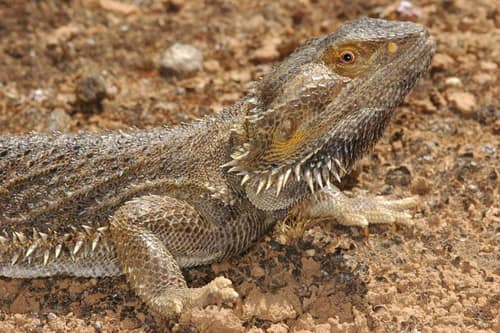
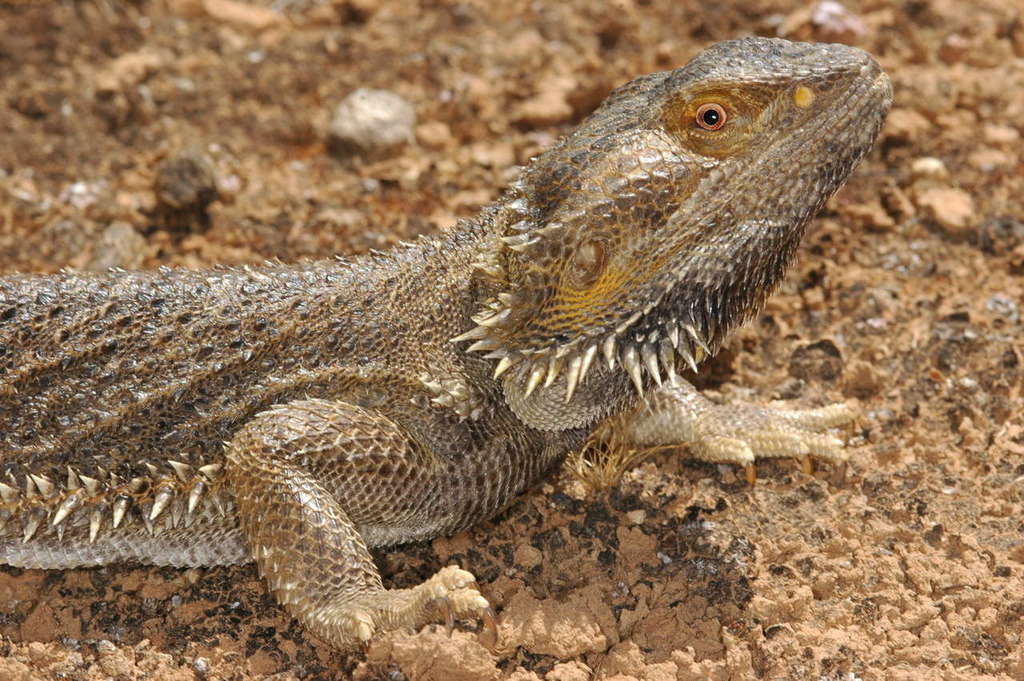 1 / 7
1 / 7—observations
—countries
—peak records
Least ConcernConservation statusIUCN Red List categoriesLCNTVUENCREWEXLeast ConcernRed List categories, explained →
Diet & prey
- Insects
- Flowers
- Leaves
Predators
- Dingoes
- Birds of prey
- Invasive foxes
ThreatsHabitat clearance, vehicle collisions, predation by invasive species
HabitatsArid and semi-arid woodlands, shrublands, desert scrub
Life span10–15 years
Size / weightNot available
Classification
- FamilyAgamidae
- GenusPogona
- SpeciesPogona vitticeps
Range data is not available yet.
Interaction riskLow
- Low
- Moderate
- High
- Very high
- Why interaction risk is low
- Capable of a painful bite if cornered; observe wild individuals from a respectful distance.
Responsible observation
- Basking spots: Look on fence posts, fallen logs, and elevated rocks during morning hours.
- Body language: Watch for slow arm-waving or head-bobbing used as social signaling.
- Approach slowly: Avoid sudden overhead movements that mimic swooping birds of prey.
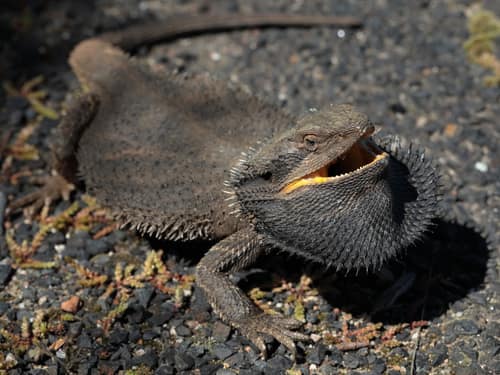
Close Relative (c) tobyyy, some rights reserved (CC BY-SA), uploaded by tobyyy · cc-by-sa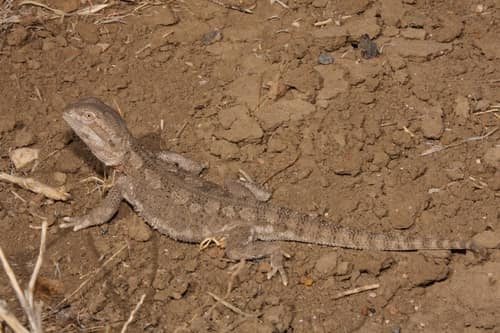
Close Relative (c) dhfischer, some rights reserved (CC BY), uploaded by dhfischer · cc-by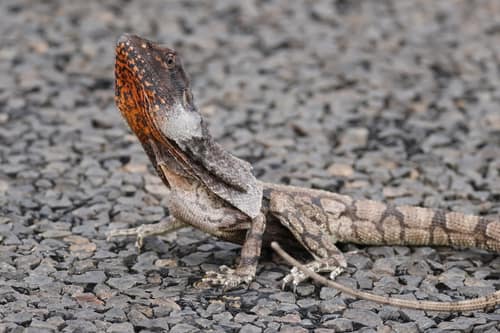
Family Member (c) Romain Boisseau, some rights reserved (CC BY-SA) · cc-by-sa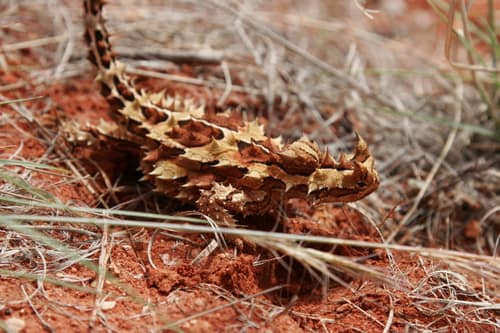
Family Member (c) Steve Shattuck, some rights reserved (CC BY) · cc-by
Help improve the field guideSomething wrong?
Checking your Fauna account…Report a name, category, or profile issue for review.