
Reptile
Blood Python
Python brongersmaiAlso known as Brongersma's Short-tailed Python, Red Blood Python, Malayan Short-tailed Python
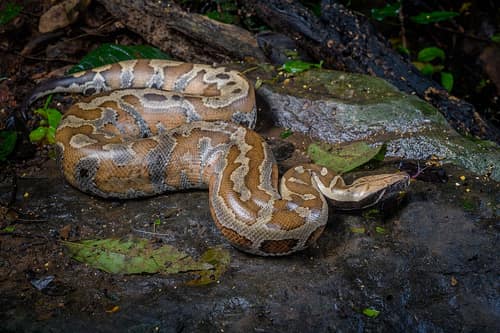
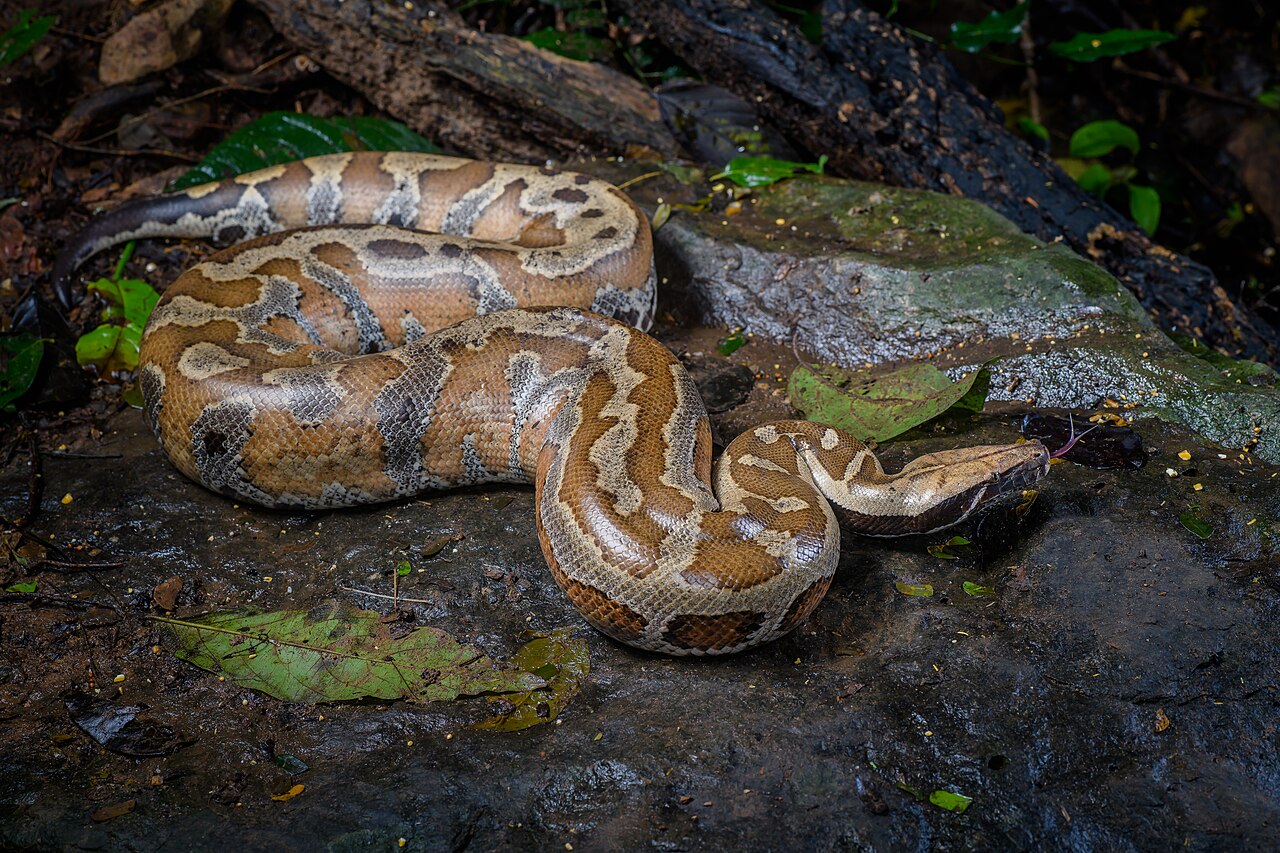
Blood pythons are heavily built, short-tailed snakes famous for their striking red, orange, and yellow coloration. They spend much of their time hidden under damp leaf litter or submerged in shallow forest pools, waiting to ambush passing rodents. While historically stereotyped as highly aggressive, these thick-bodied snakes are key components of their native ecosystems, helping control agricultural pest populations.
CrepuscularAmbush PredatorHeavy-bodied
—observations
—countries
—peak records
Least ConcernConservation statusIUCN Red List categoriesLCNTVUENCREWEXLeast ConcernRed List categories, explained →
Diet & preyRats, Mice, Ground-dwelling birds
Predators
- Birds of prey
- Crocodilians
- Larger carnivorous mammals
ThreatsHabitat destruction, water pollution, and heavy harvesting for the commercial leather trade
HabitatsTropical rainforests, peat swamps, marshes, and oil palm plantations
Life span20 to 25 years
Classification
- FamilyPythonidae
- SpeciesPython brongersmai
Range data is not available yet.
Interaction riskLow
- Low
- Moderate
- High
- Very high
- Why interaction risk is low
- Possesses a powerful, non-venomous bite; maintain a respectful distance and avoid handling wild individuals.
- Why it is dangerous
- Equipped with long, recurved teeth designed to grip prey, which can inflict deep, painful lacerations if the snake strikes defensively.
- How to recognize a risky encounter
- Look for a very thick, sausage-like body, a short tail, and a head that changes color from dark to light grey.
- What to do
- Never attempt to catch or handle a wild snake; if encountered, back away slowly and give it room to retreat.
Responsible observation
- Observe from a distance: Watch their slow, deliberate movements from a safe distance to avoid triggering a defensive strike.
- Support sustainable trade: Ensure any captive-bred pets are sourced from reputable breeders rather than wild-caught populations.
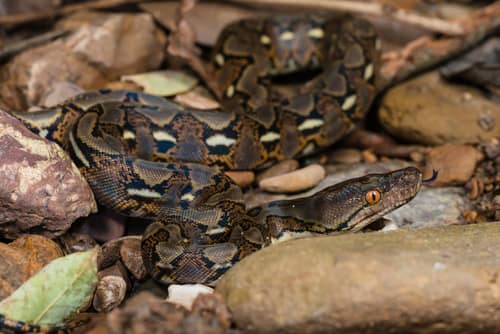
Co-occurring Giant (c) Rushen, some rights reserved (CC BY-SA) · cc-by-sa Image unavailable
Close Relative Close Relative
Help improve the field guideSomething wrong?
Checking your Fauna account…Report a name, category, or profile issue for review.