
Reptile
Desert Rosy Boa
Lichanura trivirgataAlso known as Rosy Boa, Mexican Rosy Boa, Three-Lined Boa
Desert rosy boas are heavy-bodied, slow-moving constrictors known for smooth, polished scales and distinct lengthwise stripes. They spend daylight hours sheltering deep within rocky outcrops or subterranean burrows, emerging at dusk or during warm desert nights to hunt rodents and small birds along boulder-strewn canyon slopes. When threatened, they coil into a tight sphere with the head tucked securely beneath the body, often offering the blunt tail tip as a decoy to confuse predators.
NocturnalReptileDesert Dweller

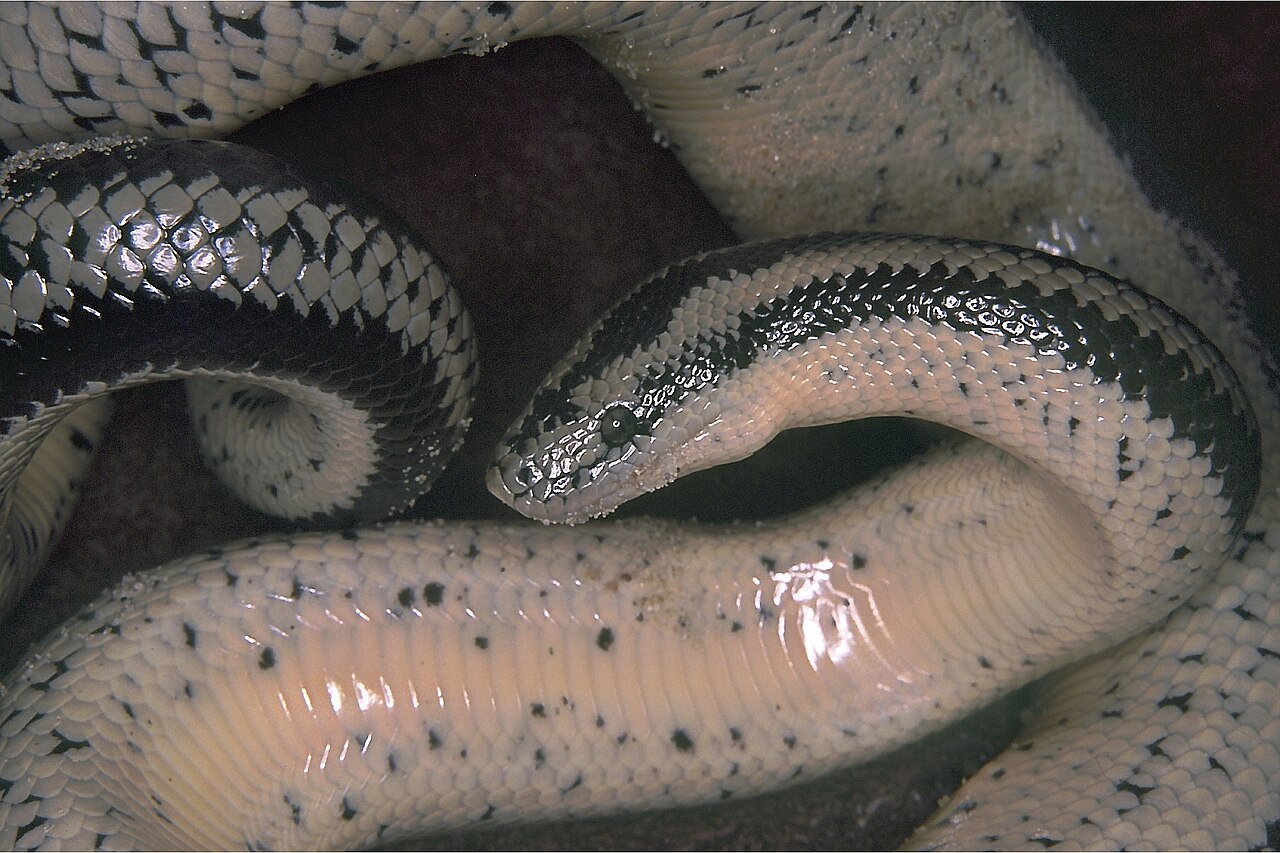
—observations
—countries
—peak records
Least ConcernConservation statusIUCN Red List categoriesLCNTVUENCREWEXLeast ConcernRed List categories, explained →
Diet & preyDesert Woodrat, Pocket Mouse, Side-blotched Lizard
Predators
- Coyote
- Greater Roadrunner
- Red-tailed Hawk
ThreatsVehicle strikes during nocturnal movements, illegal collection for the exotic pet trade, and habitat fragmentation
HabitatsArid rocky desert, canyon slopes, granite outcrops, and scrub washes
Life span15–30 years
Classification
- FamilyBoidae
- SpeciesLichanura trivirgata
Range data is not available yet.
Interaction riskLow
- Low
- Moderate
- High
- Very high
- Why interaction risk is low
- Non-venomous and gentle; safe to observe from a respectful distance.
Responsible observation
- Night Drives: Look for them crossing paved desert roads during warm spring and early summer evenings.
- Rocky Outcrops: Search granite boulder piles and dry canyon washes where they seek daytime shelter.
- Do Not Disturb: Never pry apart fragile desert rock formations or attempt to collect wild individuals.
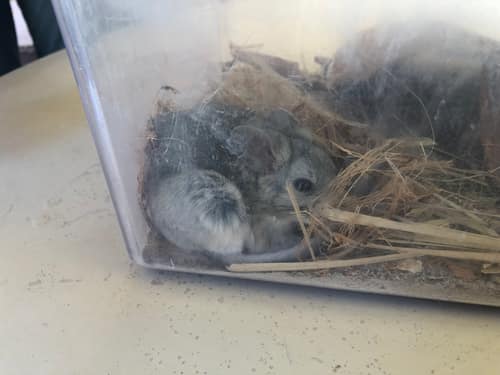
Prey (c) Amelia Tauber, some rights reserved (CC BY) · cc-by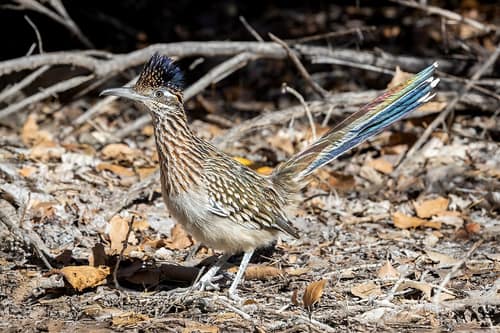
Predator Polinova / CC BY-SA 4.0 · cc-by-sa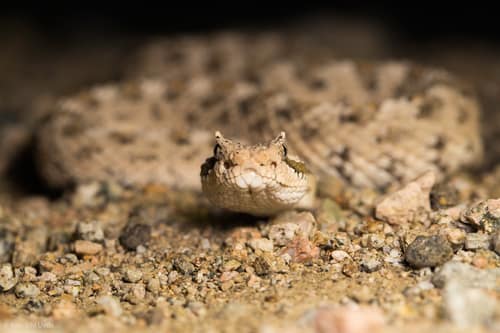
Competitor (c) Ken-ichi Ueda, some rights reserved (CC BY) · cc-by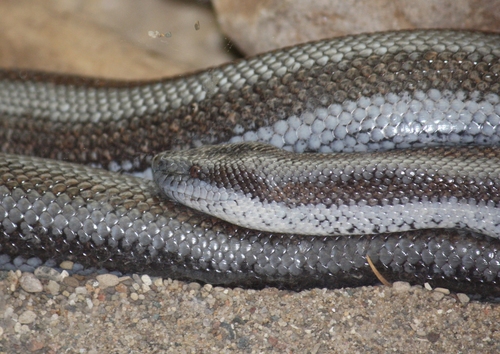
Close Relative (c) Ltshears, some rights reserved (CC BY-SA) · cc-by-sa
Same Family (c) andrewnydam, some rights reserved (CC BY) · cc-by
Help improve the field guideSomething wrong?
Checking your Fauna account…Report a name, category, or profile issue for review.