
Reptile
Pygmy Bluetongue
Tiliqua adelaidensisAlso known as Adelaide Pygmy Blue-tongue Skink, Pygmy Blue-tongue Lizard
Pygmy bluetongues spend nearly their entire lives sheltering inside deep, abandoned spider burrows created by wolf spiders and trapdoor spiders. They perch just inside the burrow entrance with only their heads showing, ready to ambush passing grasshoppers and spiders or retreat instantly underground at the first sign of danger. Rediscovered in 1992 after being presumed extinct for decades, these secretive skinks survive today only in tiny, isolated fragments of native grassland across South Australia.
ReptileGrassland
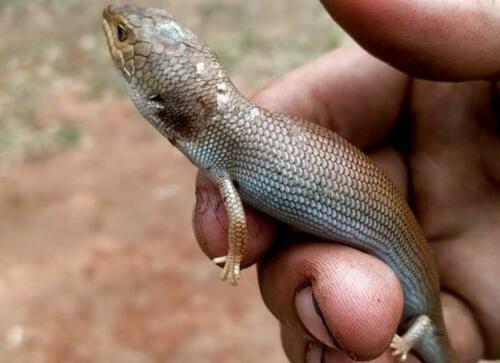
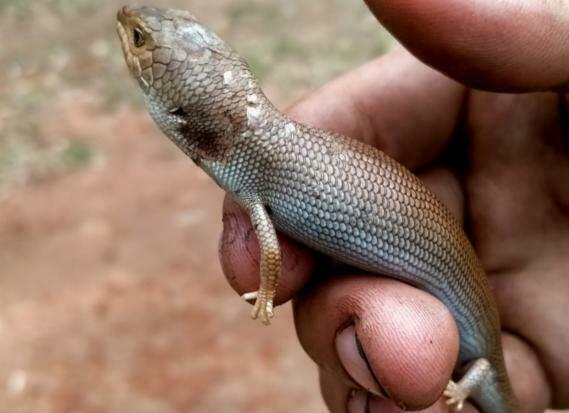
—observations
—countries
—peak records
EndangeredConservation statusIUCN Red List categoriesLCNTVUENCREWEXEndangeredRed List categories, explained →
Diet & preyWolf Spiders, Grasshoppers, Crickets
Predators
- Brown Falcon
- Eastern Brown Snake
- Feral Cat
ThreatsHabitat loss from agriculture, climate change, grazing pressure, and loss of burrowing spiders
HabitatsTemperate native grasslands and pastures
Life span10–15 years
Classification
- FamilyScincidae
- SpeciesTiliqua adelaidensis
Range data is not available yet.
Interaction riskLow
- Low
- Moderate
- High
- Very high
- Why interaction risk is low
- Safe to observe at a normal distance.
- What to notice
- Look for a tiny, blunt-headed brown or grey skink peering cautiously out of a round ground burrow.
- Support conservation
- Maintain distance, stick strictly to established walking tracks, and never disturb or dig up burrows.
Responsible observation
- Watch your step: Avoid treading near spider burrow entrances in grassland reserves.
- Use binoculars: Scan open ground from tracks to spot basking heads without disturbing them.
- Leave burrows intact: Never probe, excavate, or alter holes in native grasslands.
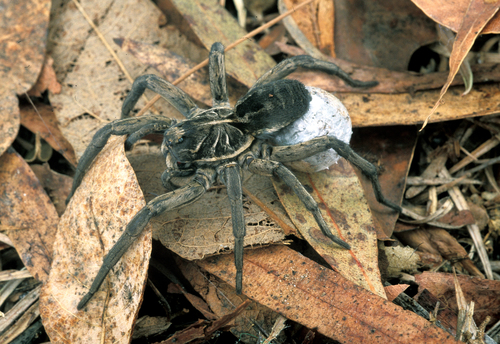
Symbiont (c) CSIRO, some rights reserved (CC BY) · cc-by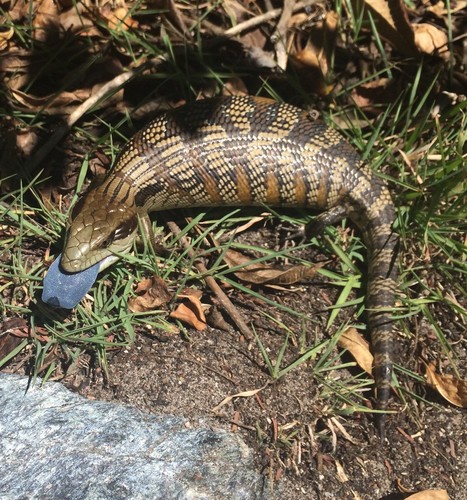
Close Relative (c) Thomas Mesaglio, some rights reserved (CC BY), uploaded by Thomas Mesaglio · cc-by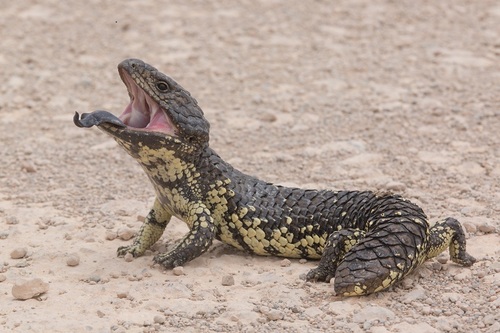
Close Relative (c) dhfischer, some rights reserved (CC BY), uploaded by dhfischer · cc-by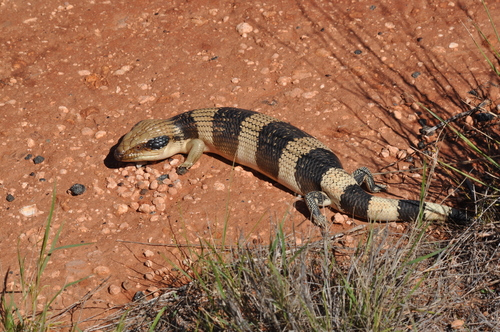
Close Relative (c) Owen65, some rights reserved (CC BY-SA) · cc-by-sa
Help improve the field guideSomething wrong?
Checking your Fauna account…Report a name, category, or profile issue for review.