
Reptile
Gila Monster
Heloderma suspectumGila monsters spend up to ninety percent of their lives underground in burrows, emerging primarily in spring to forage for bird and reptile eggs. Their distinctive beaded skin features bright pink, orange, and black warning patterns that signal their venomous nature to potential predators. Unlike snakes, they inject venom through grooved teeth in the lower jaw while delivering a tenacious, crushing bite.
VenomousReptileDesert Dweller


—observations
—countries
—peak records
Near ThreatenedConservation statusIUCN Red List categoriesLCNTVUENCREWEXNear ThreatenedRed List categories, explained →
Diet & preyBird eggs, Rodent nestlings, Reptile eggs
Predators
- Coyotes
- Raptors
- Kingsnakes
ThreatsHabitat loss, urban development, illegal collection, road mortality
HabitatsArid deserts, scrublands, rocky foothills, canyons
Life span20–30 years
Classification
- FamilyHelodermatidae
- SpeciesHeloderma suspectum
Range data is not available yet.
Interaction riskVery high
- Low
- Moderate
- High
- Very high
- Why interaction risk is very high
- Venomous bite is extremely painful; keep a safe distance and never attempt to handle or corner one.
- Why it is dangerous
- Neurotoxic venom flows through grooved teeth during a powerful, prolonged bite that causes extreme pain, swelling, and systemic reactions.
- How to recognize a risky encounter
- Distinguished by heavy bodies, short stubby tails, and pinkish-orange and black beaded scales.
- What to do
- Back away slowly if encountered and never attempt to corner or lift the lizard.
- What to notice
- Distinctive slow-moving reptile with mottled pink or orange and black scales found in desert scrub habitats.
- Support conservation
- Refrain from publishing exact GPS coordinates of wild sightings to prevent illegal collection.
Responsible observation
- Distance: Maintain a gap of at least three meters to observe naturally without triggering a defensive posture.
- Burrow Safety: Avoid reaching into rocky crevices or rodent burrows where resting lizards shelter.
- Protection: Leave wild individuals undisturbed, as state laws strictly prohibit handling or collection.
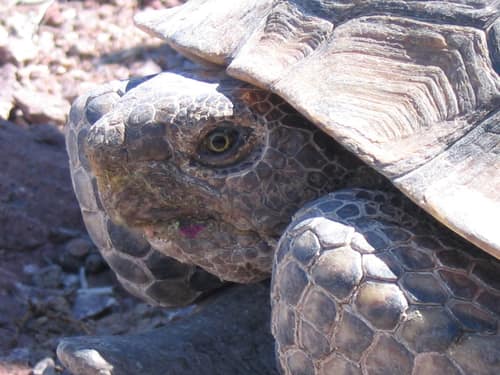
Co-habitant (c) Pacific Southwest Region USFWS, some rights reserved (CC BY) · cc-by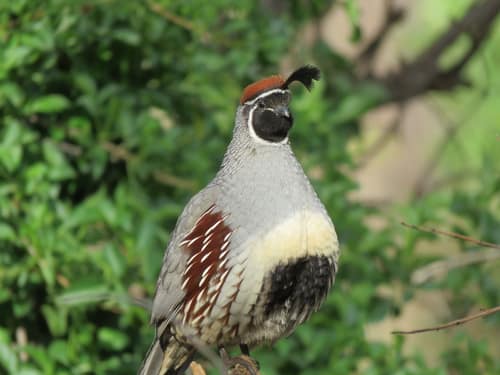
Prey Source (c) Annika Lindqvist, some rights reserved (CC BY), uploaded by Annika Lindqvist · cc-by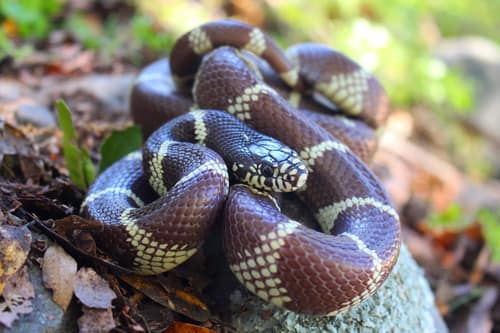
Predator (c) Connor Long, some rights reserved (CC BY-SA) · cc-by-sa
Close Relative (c) Francisco Farriols Sarabia, some rights reserved (CC BY), uploaded by Francisco Farriols Sarabia · cc-by
Help improve the field guideSomething wrong?
Checking your Fauna account…Report a name, category, or profile issue for review.