
Reptile · GBIF taxon 2460458
Magellanic Lizard
Liolaemus magellanicusAlso known as Magellan's Tree Iguana, Magellanic Tree Iguana, Southernmost Lizard
Magellanic lizards hold the record as the southernmost living reptiles, thriving in the harsh, windswept environments of Patagonia and Tierra del Fuego. To cope with frigid soils, females bear live young rather than laying eggs, a vital adaptation for surviving high latitudes. During brief warm periods, these small reptiles emerge to bask on open rocks, gravel, and tussock grasses before retreating underground to conserve heat.
ReptileViviparousCold-Adapted
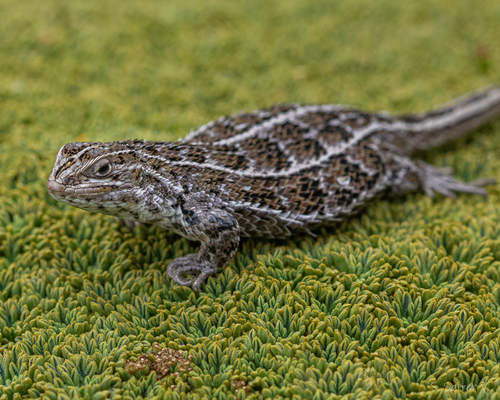
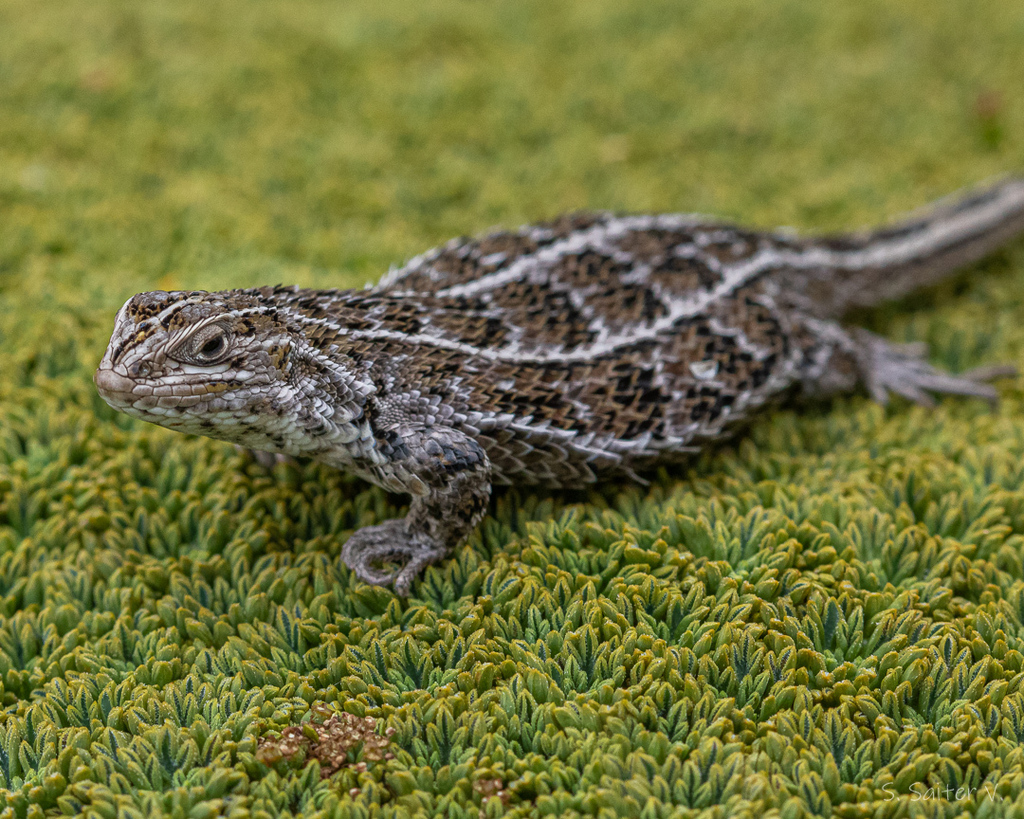
Licensed reference(c) Sebastián Saiter V., some rights reserved (CC BY) · cc-by
—observations
—countries
—peak records
Least ConcernConservation statusIUCN Red List categoriesLCNTVUENCREWEXLeast ConcernRed List categories, explained →
Diet & prey
- Beetles
- Ants
- Plant Buds
Predators
- Raptors
- South American Grey Fox
- Introduced Feral Cats
ThreatsHabitat degradation from overgrazing, extreme weather, introduced predators
HabitatsPatagonian steppe, cold grasslands, windblown coastal scrub, gravel plains
Life span5–10 years
Size / weightNot available
Classification
- FamilyLiolaemidae
- SpeciesLiolaemus magellanicus
Range data is not available yet.
Interaction riskLow
- Low
- Moderate
- High
- Very high
- Why interaction risk is low
- Safe to observe at a normal distance.
Responsible observation
- Spotting: Search sunny gravel patches and shelter near tussock grasses during warm hours.
- Approach: Advance slowly from downwind so shadow patterns do not trigger quick flee responses.
- Weather: Plan observations for clear, windless middays when active basking is most common.
 Image unavailable
Close Relative Close Relative
Help improve the field guideSomething wrong?
Checking your Fauna account…Report a name, category, or profile issue for review.