
Reptile · GBIF taxon 2460401
Skull Tree Iguana
Liolaemus occipitalisAlso known as Occipital Sand Lizard, Occipital Tree Iguana
Skull tree iguanas are small, sandy-hued lizards specialized for life along dynamic coastal dunes and sparse beach scrub. Masterful ambush hunters, they partially submerge themselves beneath loose sand or shelter beside low halophytic vegetation to wait for passing insects. When threatened, individuals sprint with remarkable bursts of speed across open sand before diving beneath the surface to disappear from sight.
ReptileCoastalCamouflaged
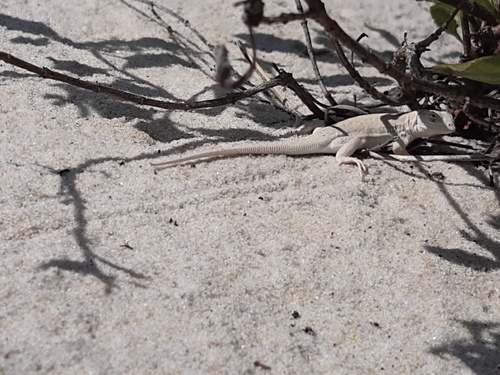
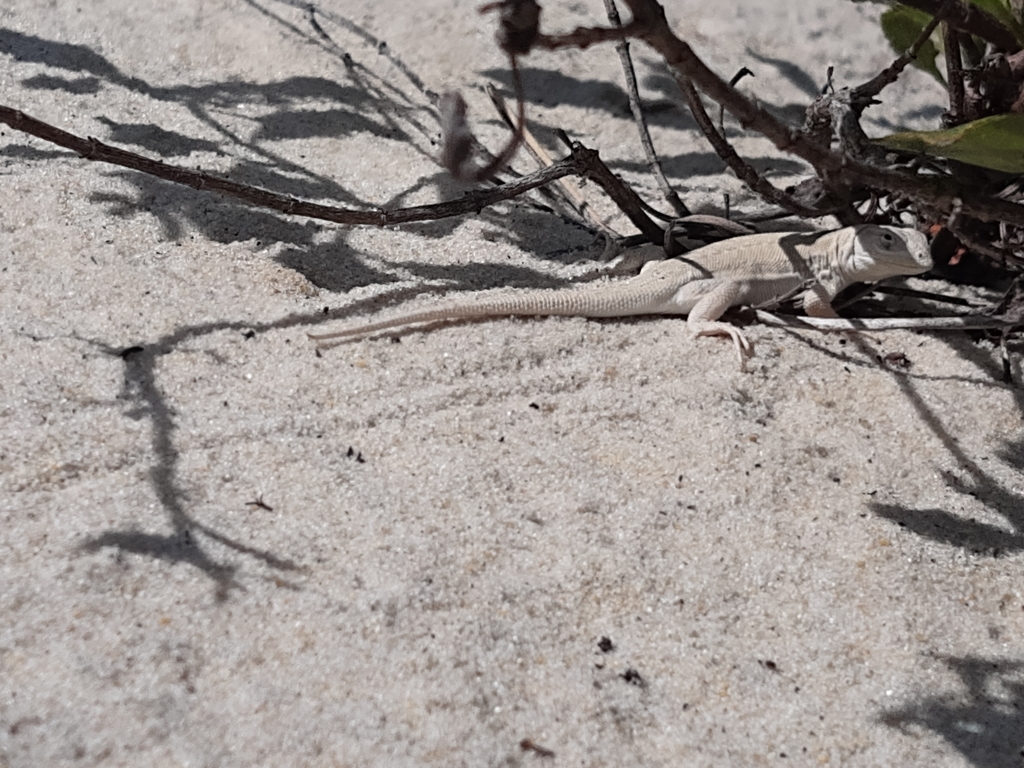
—observations
—countries
—peak records
VulnerableConservation statusIUCN Red List categoriesLCNTVUENCREWEXVulnerableRed List categories, explained →
Diet & prey
- Ants
- Beetles
- Spiders
Predators
- Burrowing Owl
- Patagonia Green Racer
- Feral Cat
ThreatsUrban coastal development, sand mining, tourism disturbance, and invasive pine plantations
HabitatsCoastal sand dunes, restinga scrub, and sandy coastal plains
Life span3–6 years
Size / weightNot available
Classification
- FamilyLiolaemidae
- SpeciesLiolaemus occipitalis
Range data is not available yet.
Interaction riskLow
- Low
- Moderate
- High
- Very high
- Why interaction risk is low
- Safe to observe at a normal distance.
- What to notice
- Recognizable by pale grey-brown dorsal ground color, dark chevron markings, and pale ventral scales in beach sand habitats.
- Support conservation
- Maintain a respectful observation distance and do not dig into sand dunes or crush stabilizing vegetation.
Responsible observation
- Scanning the sand: Look for small trackways in soft dune sand leading toward clumps of low vegetation.
- Gentle approach: Move slowly to avoid triggering their dive-and-bury flight response.
- Dune preservation: Stick to established walkways to protect fragile nesting and foraging turf.
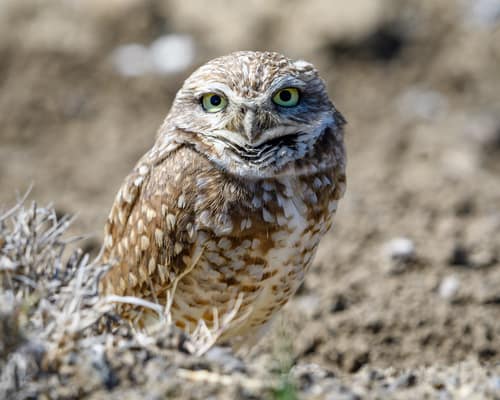
Predator "Burrowing Owl" by Becky Matsubara is licensed under CC BY 2.0. To view a copy of this license, visit https://creativecommons.org/licenses/by/2.0/. · cc-by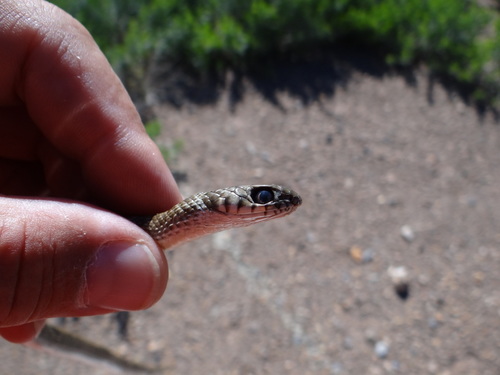
Predator (c) Guillermo Debandi, some rights reserved (CC BY), uploaded by Guillermo Debandi · cc-by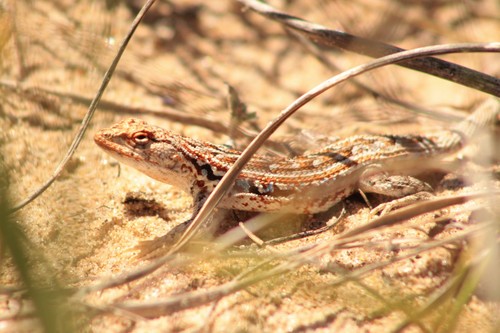
Close Relative (c) Leo Lagos, some rights reserved (CC BY), uploaded by Leo Lagos · cc-by
Help improve the field guideSomething wrong?
Checking your Fauna account…Report a name, category, or profile issue for review.