
Reptile
Common Tiger Snake
Telescopus semiannulatusAlso known as Tiger Cat Snake, Eastern Tiger Snake, Western Tiger Snake
This slender nocturnal colubrid navigates acacia branches, rocky fissures, and thatched roofs in search of sleeping lizards. When threatened, it coils tightly, puffs up its throat, and strikes repeatedly with furious mock attacks that mimic dangerous vipers. Its rear fangs deliver a specialized mild venom effective at subduing squamate prey but harmless to humans beyond localized swelling.
NocturnalArborealCarnivorous
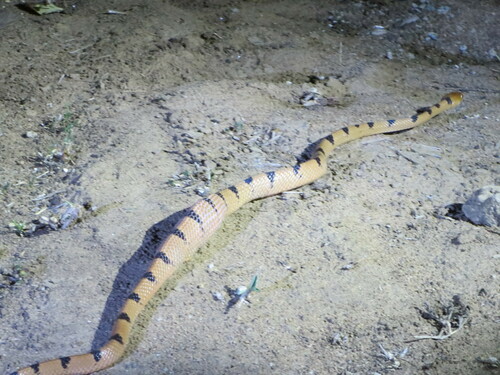
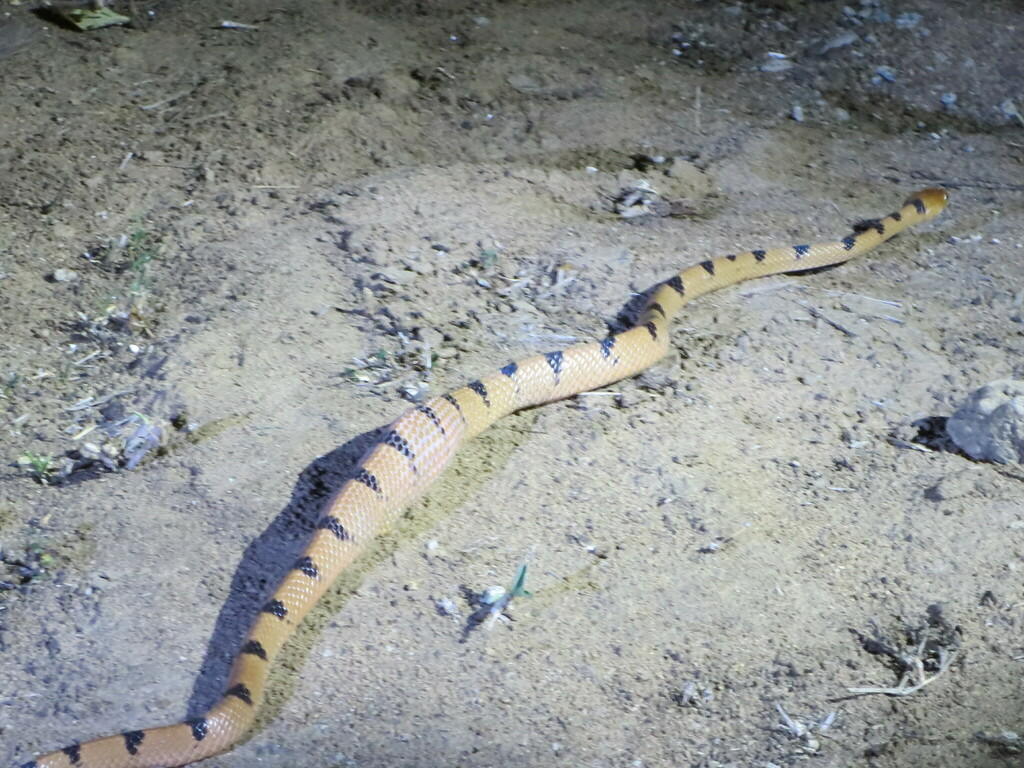
—observations
—countries
—peak records
Least ConcernConservation statusIUCN Red List categoriesLCNTVUENCREWEXLeast ConcernRed List categories, explained →
Diet & preyThick-toed geckos, Variable skinks, Sleeping fledglings
Predators
- Birds of prey
- Mongooses
- Larger snakes
ThreatsPersecution by humans fearing venomous snakes, road traffic mortality, and habitat degradation
HabitatsSavanna, dry bushveld, arid scrubland, and rocky outcrops
Life span10–15 years
Classification
- FamilyColubridae
- SpeciesTelescopus semiannulatus
Range data is not available yet.
Interaction riskLow
- Low
- Moderate
- High
- Very high
- Why interaction risk is low
- Safe to observe at a normal distance; rear-fanged bite causes only minor local swelling.
Responsible observation
- Night Scouting: Search low tree branches, rock faces, and building walls with a flashlight after dusk.
- Defensive Displays: Give wide berth if it inflates its neck and strikes, as cornered snakes stress easily.
- Respect Distance: Avoid handling wild individuals to prevent defensive bites and unnecessary animal distress.
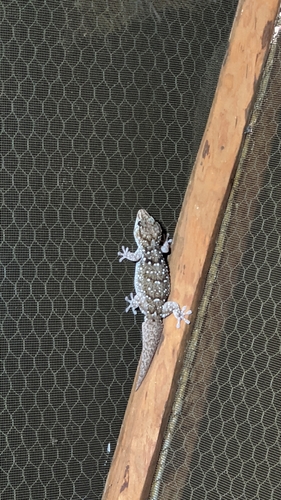
Prey (c) Carrie Powers, some rights reserved (CC BY) · cc-by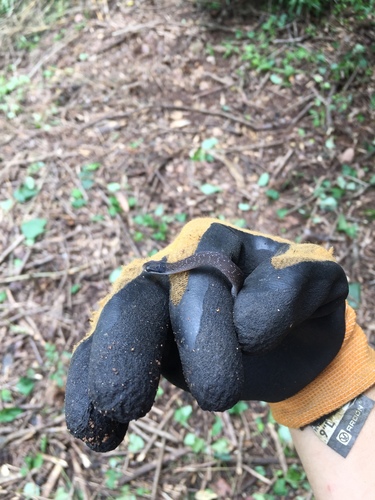
Competitor (c) Sunčana Bradley, some rights reserved (CC BY) · cc-by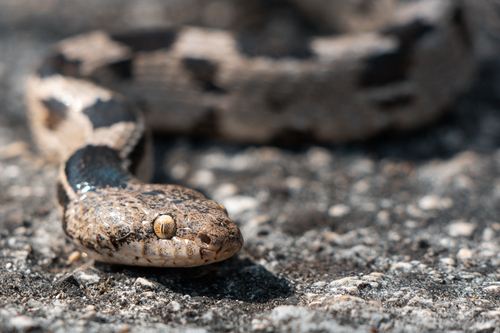
Close Relative no rights reserved · cc0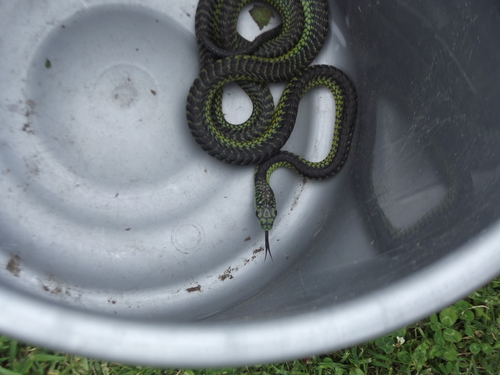
Same Family no rights reserved · cc0
Help improve the field guideSomething wrong?
Checking your Fauna account…Report a name, category, or profile issue for review.