
Reptile · GBIF taxon 2457224
Caspian Whipsnake
Dolichophis caspiusAlso known as Large Whipsnake
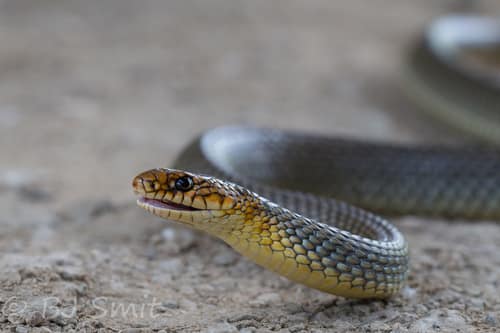
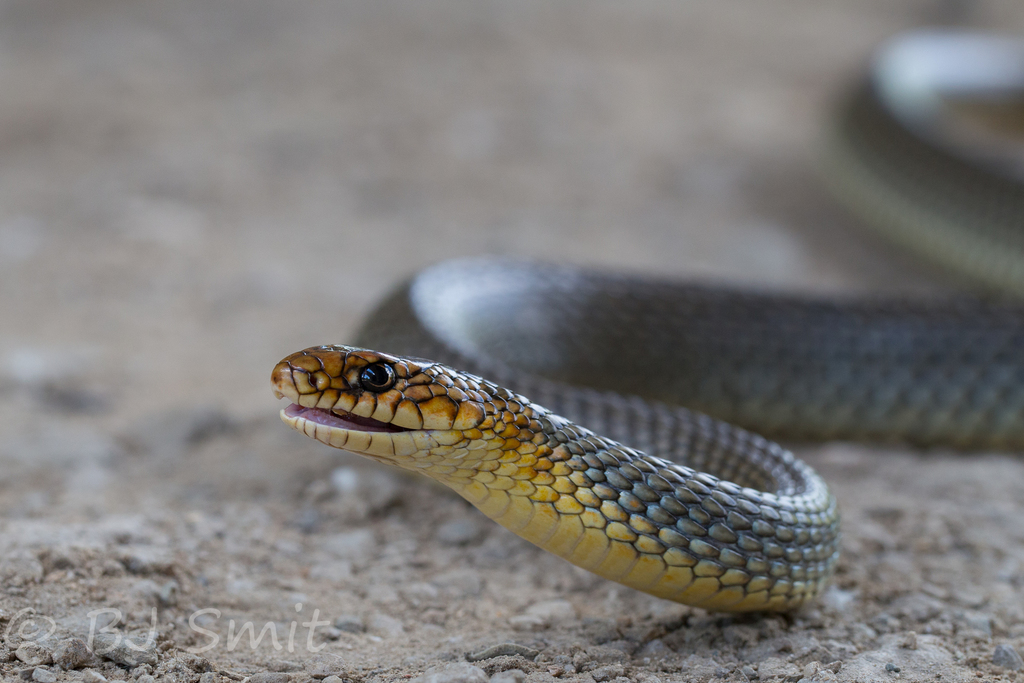
The Caspian Whipsnake is a very long, slender nonvenomous snake with smooth scales and exceptional speed. It hunts actively by day and may raise its forebody, hiss, and strike repeatedly when cornered.
Nonvenomous SnakeFast HunterOpen-country Reptile
—observations
—countries
—peak records
Least ConcernConservation statusIUCN Red List categoriesLCNTVUENCREWEXLeast ConcernRed List categories, explained →
Diet & prey
- Rodents
- Lizards
- Birds
Predators
- Raptors
- Foxes
- Large mustelids
ThreatsRoad mortality, habitat conversion, deliberate killing, fire, and agricultural intensification
HabitatsSteppe, grassland, scrub, rocky slopes, open woodland, fields, and river valleys
Life spanLikely more than a decade under favorable conditions
Size / weightNot available
Classification
- FamilyColubridae
- SpeciesDolichophis caspius
Range data is not available yet.
Interaction riskLow
- Low
- Moderate
- High
- Very high
- Why interaction risk is low
- Though nonvenomous, a cornered adult may rush forward and deliver a painful defensive bite.
- Why it is dangerous
- A large frightened whipsnake can strike repeatedly and inflict painful puncture wounds with sharp teeth.
- How to recognize a risky encounter
- Look for an exceptionally long slender body, smooth bronzed scales, large eyes, and rapid daytime movement.
- What to do
- Do not corner, catch, or restrain it; move back slowly and let the snake leave.
Responsible observation
- Distance: Back away and leave a broad unobstructed escape route.
- Movement: Never chase a fast-moving snake toward cover or people.
- Observe: Use optics rather than attempting close identification.
Help improve the field guideSomething wrong?
Checking your Fauna account…Report a name, category, or profile issue for review.