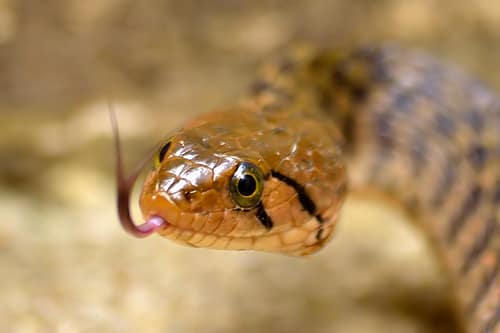
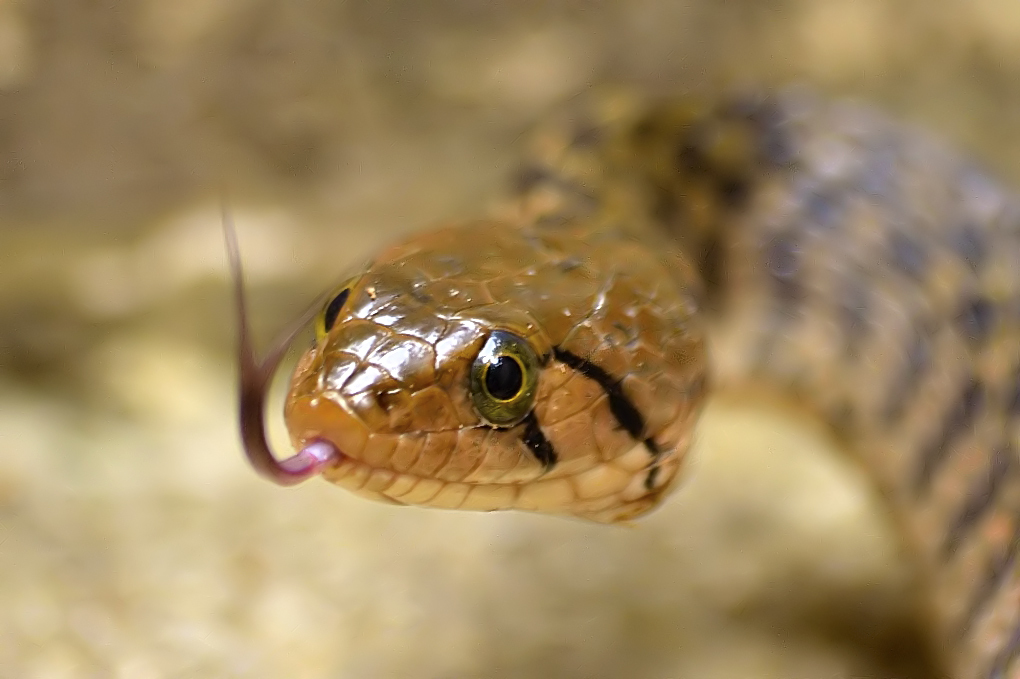
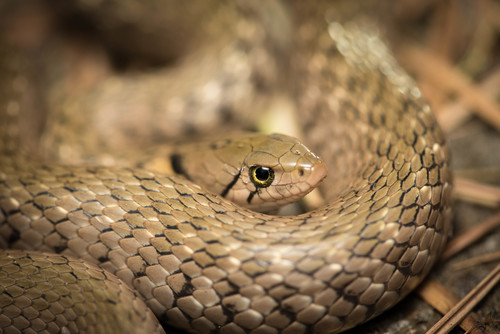
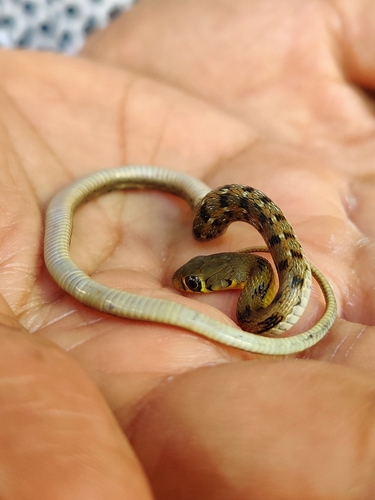
Also known as Checkered Keelback, Asiatic Water Snake, Common Keelback
Chequered keelbacks are highly active, semi-aquatic hunters common in rice paddies, rivers, and freshwater ponds across South and Southeast Asia. When threatened, they often flatten their head and forebody into a cobra-like hood while striking aggressively, though they produce no venom. Females are remarkably prolific, laying clutches that can exceed eighty eggs buried in moist soil near the water's edge.
Diet & preyAsian Common Toad, Skipper Frog, Freshwater Catfish
Predators
Crested Serpent Eagle
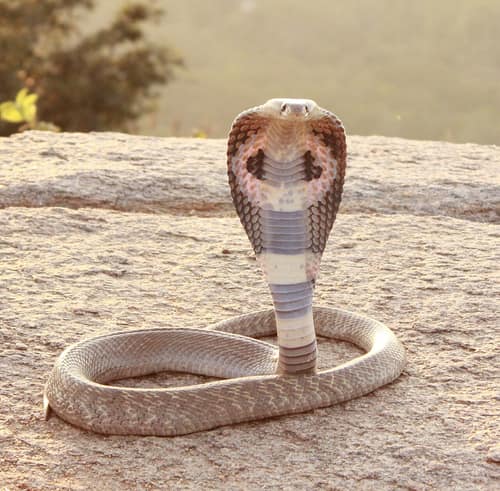
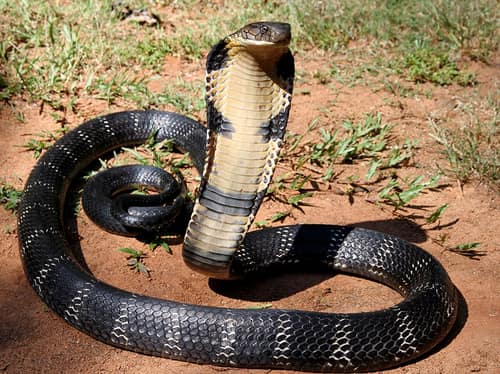
King Cobra
Bengal Monitor
ThreatsWetland pollution, pesticide runoff, and road mortality
HabitatsFreshwater wetlands, rivers, lakes, ponds, and agricultural rice paddies
Life span8–12 years
Classification
FamilyColubridae
SpeciesFowlea piscator
Range & activity
Range data is not available yet.
Safe observation
Interaction riskLow
Low
Moderate
High
Very high
Why interaction risk is low
Non-venomous, but bites aggressively if cornered or handled; observe from a respectful distance.
Why it is dangerous
Although completely non-venomous, it possesses sharp recurved teeth and strikes repeatedly when provoked, causing painful lacerations prone to secondary infection.
How to recognize a risky encounter
Look for a checkered pattern of black spots on an olive or brown body, heavily keeled rough scales, and two dark streaks extending behind each eye.
What to do
Give the snake ample room to retreat into water or vegetation, and never corner or attempt to pick it up.
Responsible observation
Observation: Watch quietly along the muddy banks of ponds or flooded paddies during early morning.
Handling: Do not attempt to capture; they bite repeatedly and release a foul-smelling musk.
Safety: Verify markings carefully to avoid mistaking venomous co-occurring species like cobras or vipers.