
Reptile · GBIF taxon 2451433
Western Earless Lizard
Holbrookia maculataAlso known as Lesser Earless Lizard, Common Earless Lizard
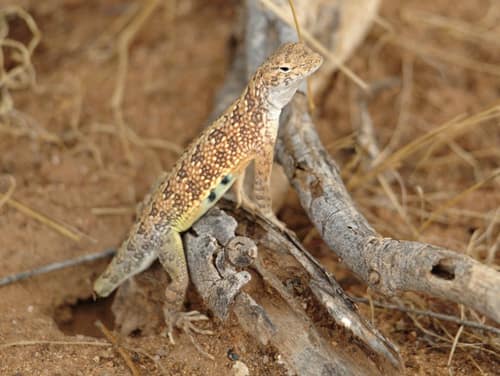
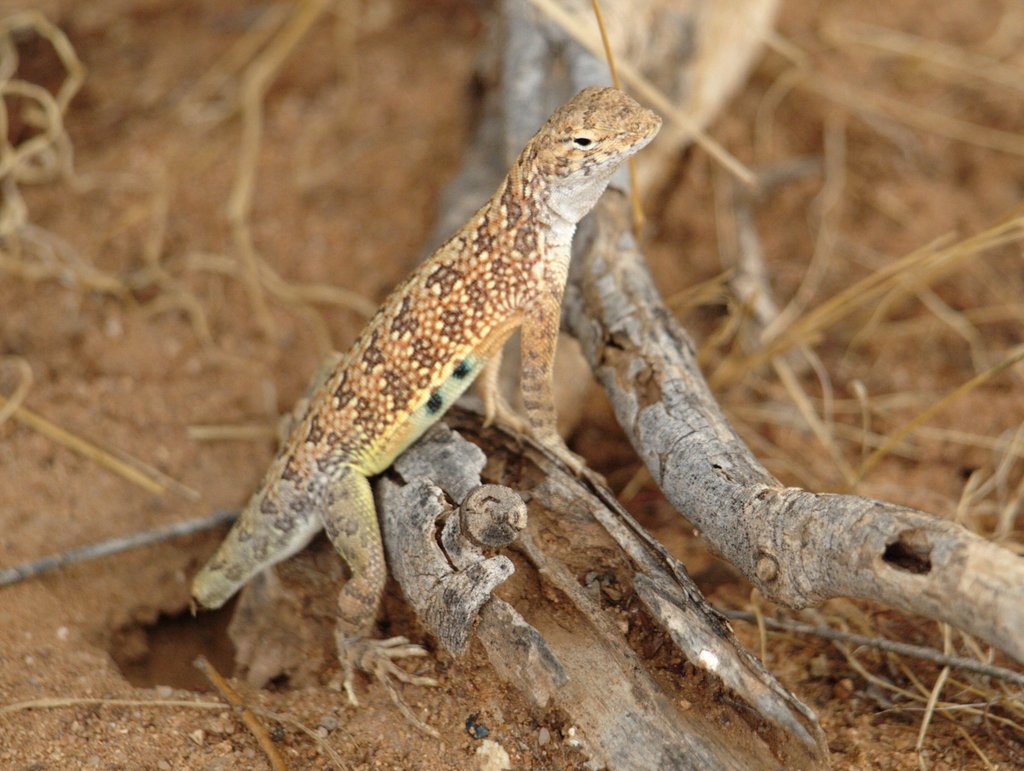
Western earless lizards lack external ear openings, an adaptation that prevents sand and loose dirt from clogging their auditory canals while burrowing. Their cryptically patterned backs match local soils so precisely that populations on white gypsum dunes have evolved pale coloration. When startled, they sprint in short explosive bursts across open ground before freezing instantly to blend into the landscape.
CamouflagedDiurnalDesert Dweller
 1 / 7
1 / 7—observations
—countries
—peak records
Least ConcernConservation statusIUCN Red List categoriesLCNTVUENCREWEXLeast ConcernRed List categories, explained →
Diet & prey
- Grasshoppers
- Beetles
- Ants
Predators
- Roadrunners
- Hawks
- Snakes
ThreatsHabitat fragmentation, land development, and road mortality
HabitatsSandy prairies, desert grasslands, and arid scrublands
Life span3–5 years
Classification
- FamilyPhrynosomatidae
- GenusHolbrookia
- SpeciesHolbrookia maculata
Range data is not available yet.
Interaction riskLow
- Low
- Moderate
- High
- Very high
- Why interaction risk is low
- Safe to observe at a normal distance.
Responsible observation
- Observation: Approach slowly on foot, as sudden movement or shadows trigger rapid flight into burrows.
- Identification: Look for the lack of ear openings and dark blotches running down the back.
- Timing: Look during warm morning hours when individuals emerge onto open sandy spots to bask.
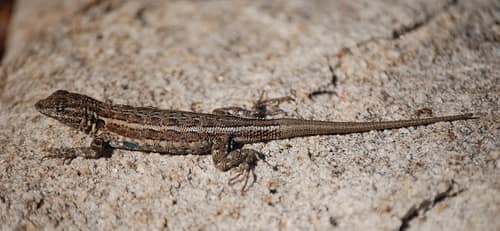
Competitor Jarek Tuszyński / CC BY-SA 3.0 · cc-by-sa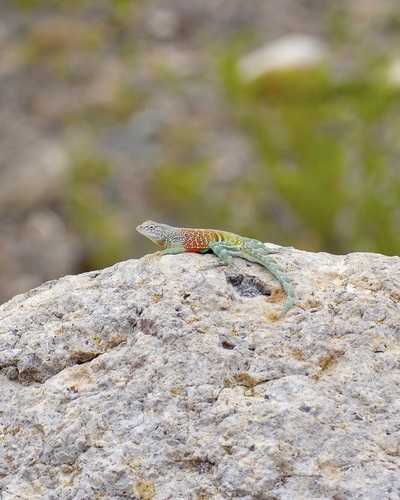
Close Relative (c) Michelle W. (鍾偉瑋), some rights reserved (CC BY) · cc-by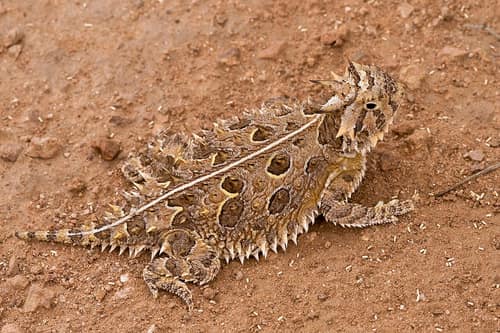
Family Member Patrick Alexander from Las Cruces, NM / CC0 · cc0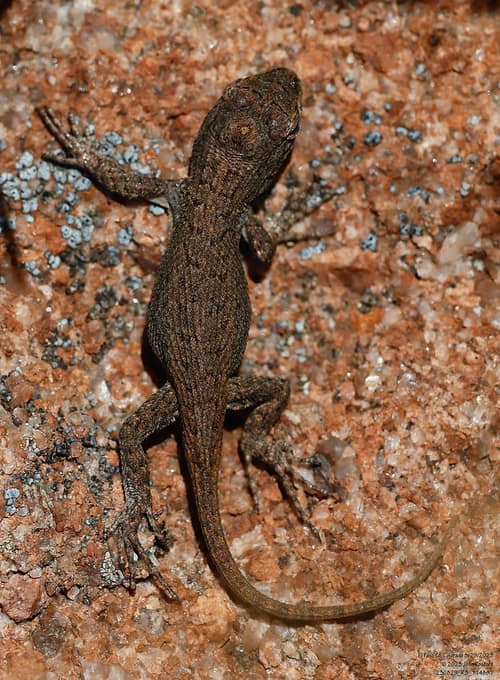
Co-Occurring Relative (c) John Rosford, some rights reserved (CC BY) · cc-by
Help improve the field guideSomething wrong?
Checking your Fauna account…Report a name, category, or profile issue for review.