
Reptile · GBIF taxon 2449963
Inland Taipan
Oxyuranus microlepidotusAlso known as Western Taipan, Small-Scaled Snake, Fierce Snake, Dandarabilla
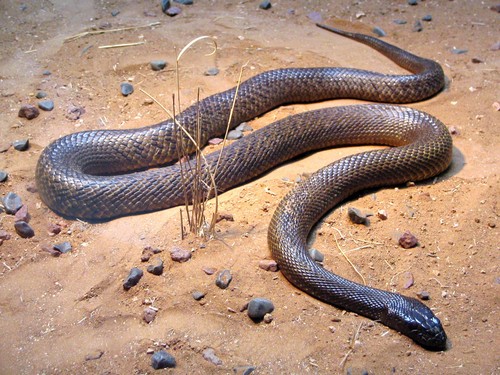
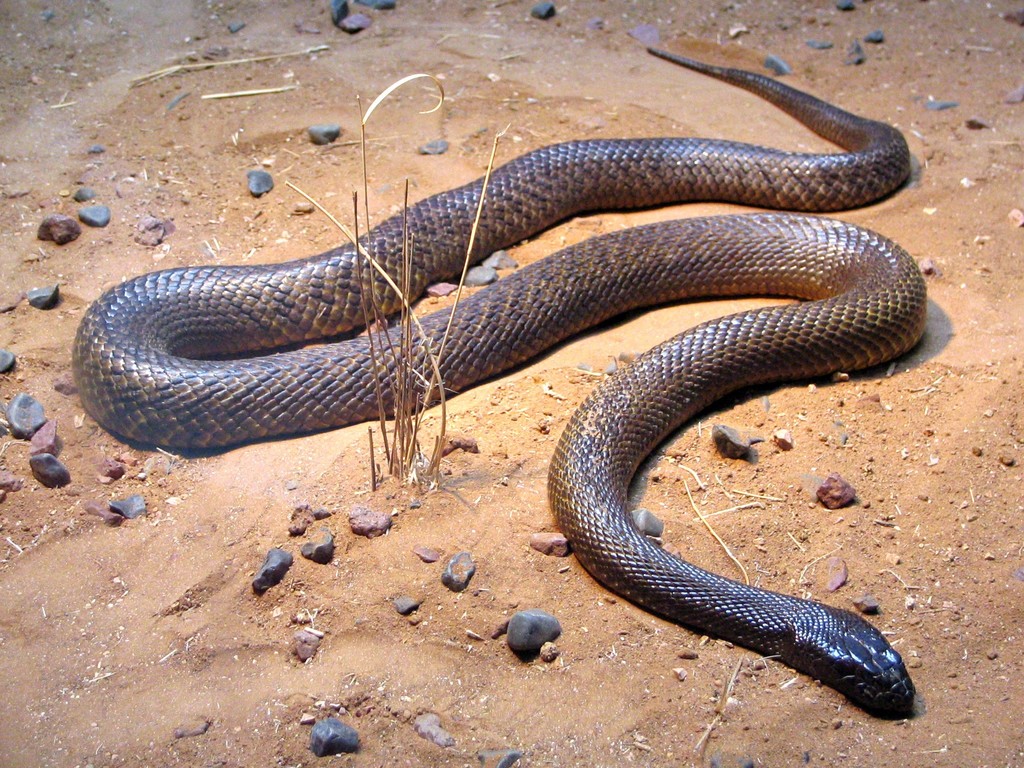
Inland taipans hold the title for the most toxic venom of any land snake on Earth, engineered specifically to neutralize warm-blooded prey within seconds. Adaptations like seasonal color shifts allow them to absorb solar warmth during cool winters and reflect harsh heat in summer. They spend daylight hours sheltering in deep clay fissures, emerging primarily to hunt native rodents across remote floodplains.
VenomousReptileSeasonal Color
—observations
—countries
—peak records
Least ConcernConservation statusIUCN Red List categoriesLCNTVUENCREWEXLeast ConcernRed List categories, explained →
Diet & prey
- Long-haired Rat
- Plains Rat
- Stripe-faced Dunnart
Predators
- Perentie
- King Brown Snake
ThreatsExtreme drought, heatwaves, and loss of native prey populations
HabitatsSemi-arid floodplains, channel country, and cracked black soil plains
Life span10–15 years
Size / weightNot available
Classification
- FamilyElapidae
- SpeciesOxyuranus microlepidotus
Range data is not available yet.
Interaction riskVery high
- Low
- Moderate
- High
- Very high
- Why interaction risk is very high
- Possesses the world's most toxic terrestrial snake venom; observe from a wide distance.
- Why it is dangerous
- Produces extremely potent neurotoxins and procoagulants that induce rapid systemic paralysis and severe internal bleeding.
- How to recognize a risky encounter
- Features a dark brown head, smooth scales, and seasonal shifts from dark brown in winter to straw yellow in summer.
- What to do
- Freeze immediately upon sighting and back away slowly without making sudden movements.
Responsible observation
- Maintain Distance: Stand back at least 10 meters if you encounter one in the wild.
- Watch the Soil: Look for deep clay cracking where these snakes hide during intense heat.
- Wear Protective Gear: Sturdy high-top boots and gaiters are mandatory in taipan habitat.
 Image unavailable
Competitor 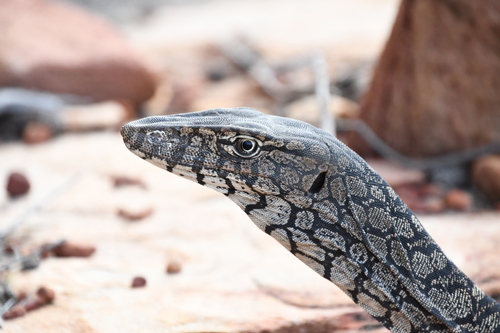
Predator (c) Thomas Mesaglio, some rights reserved (CC BY) · cc-byClose Relative Close Relative
Help improve the field guideSomething wrong?
Checking your Fauna account…Report a name, category, or profile issue for review.