
Reptile · GBIF taxon 2449625
Papuan Death Adder
Acanthophis laevisAlso known as Smooth-scaled Death Adder, New Guinea Death Adder
Papuan death adders are stocky ambush predators that conceal themselves beneath leaf litter and wiggle the modified worm-like tip of their tail to lure prey within striking distance. Despite their striking visual resemblance to true vipers, these snakes are highly venomous elapids capable of executing a strike in less than a tenth of a second. They inhabit rainforest floors, moist woodlands, and plantation edges across New Guinea and surrounding islands.
VenomousAmbush PredatorReptile
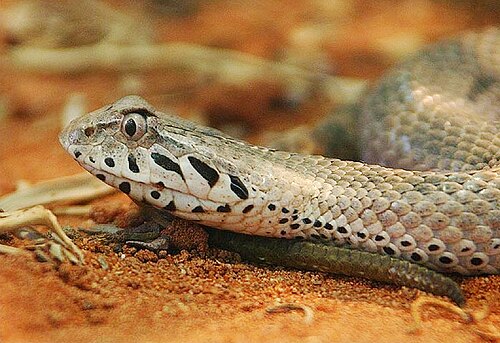
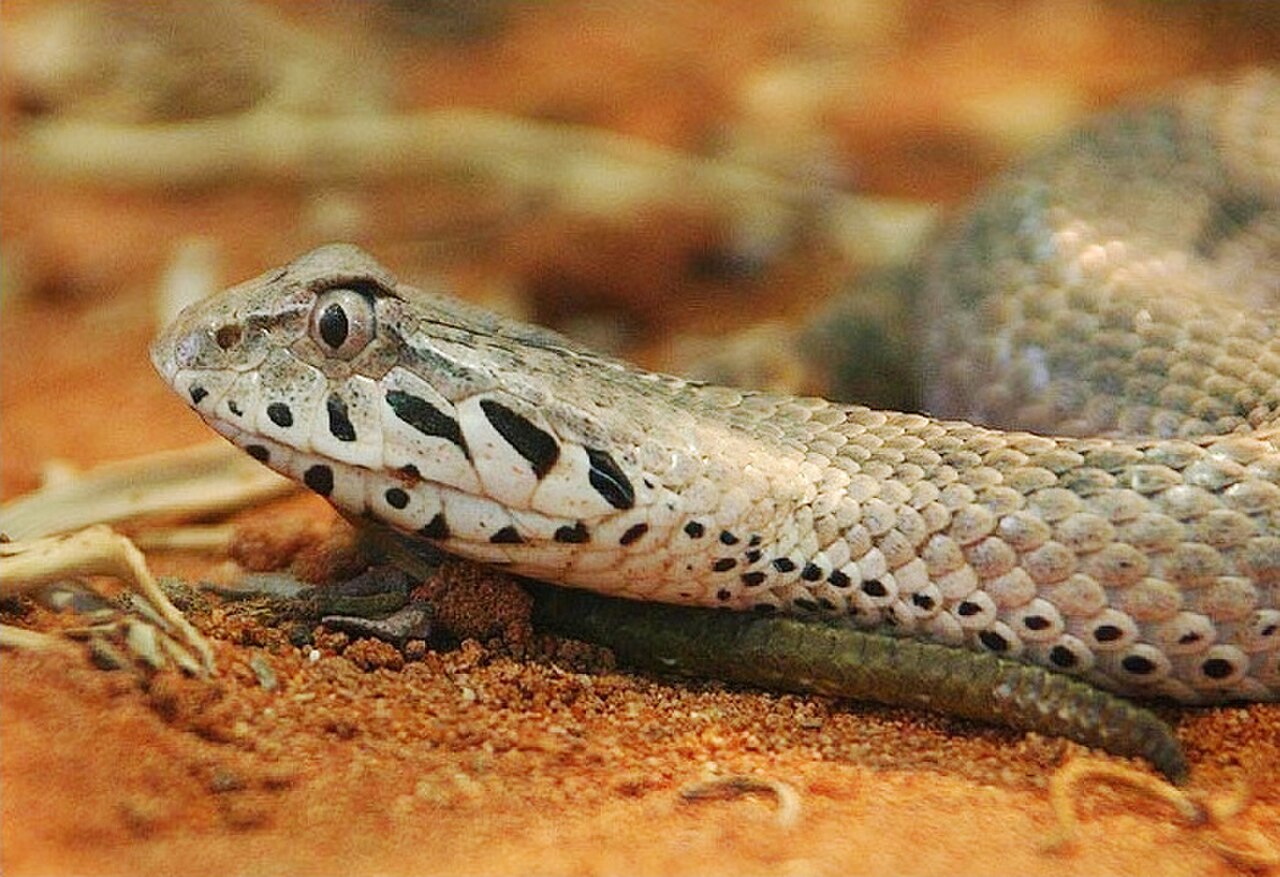
Licensed referencePetra Karstedt / CC BY-SA 2.0 de · cc-by-sa
—observations
—countries
—peak records
Least ConcernConservation statusIUCN Red List categoriesLCNTVUENCREWEXLeast ConcernRed List categories, explained →
Diet & prey
- Lizards
- Frogs
- Small rodents
Predators
- Birds of prey
- Monitor lizards
- Larger snakes
ThreatsHabitat destruction, human persecution, and poisoning from invasive cane toads
HabitatsTropical rainforests, gallery forests, woodlands, and plantations
Life span10–15 years in the wild
Size / weightNot available
Classification
- FamilyElapidae
- SpeciesAcanthophis laevis
Range data is not available yet.
Interaction riskVery high
- Low
- Moderate
- High
- Very high
- Why interaction risk is very high
- Possesses potent neurotoxic venom; maintain a safe distance and never attempt to approach or handle.
- Why it is dangerous
- Produces neurotoxic venom that rapidly induces muscle paralysis and respiratory breakdown, requiring urgent administration of antivenom.
- How to recognize a risky encounter
- Recognizable by its thick body, broad triangular head, smooth dorsal scales, and a distinct thin tail tip used as a lure.
- What to do
- Never attempt to catch, touch, or prod this snake; back away slowly if encountered on a trail.
Responsible observation
- Watch Your Step: Wear sturdy high-topped boots when walking through leaf litter in rainforest trails.
- Maintain Distance: Freeze and step back if spotted, keeping several meters of clear space.
- Use Night Lights: Scan the ground with a powerful flashlight during twilight and nighttime walks.
 Image unavailable
Co-occurring Elapid 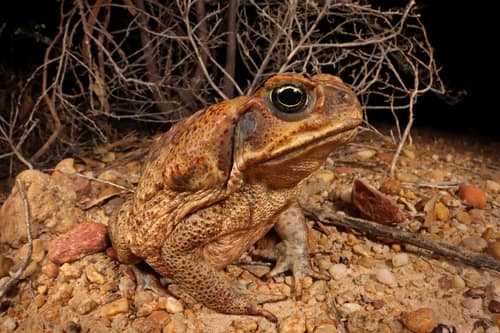
Invasive Threat (c) Connor Margetts, some rights reserved (CC BY), uploaded by Connor Margetts · cc-byClose Relative Close Relative
Help improve the field guideSomething wrong?
Checking your Fauna account…Report a name, category, or profile issue for review.