
Reptile
Red-bellied Black Snake
Pseudechis porphyriacusAlso known as Redbelly, Common Black Snake
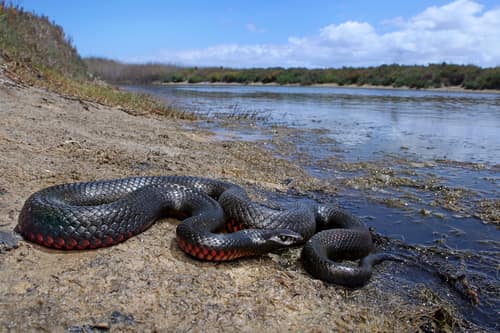
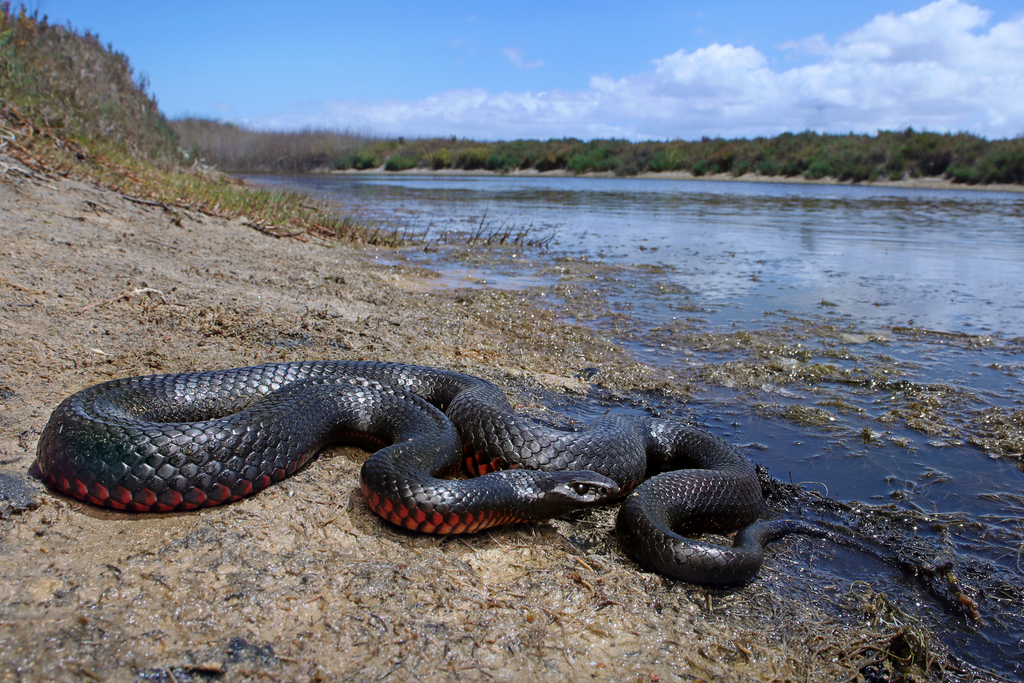
Frequenting creeks, swamps, and rain-drenched woodlands of eastern Australia, this handsome elapid is renowned for its glossy ink-black dorsal scales contrasted by vibrant crimson or coral flanks. Typically shy and quick to slip into water or dense undergrowth when disturbed, males engage in dramatic springtime combat dances where rival suitors weave, push, and wrestle with raised forebodies without biting. Unlike most of its egg-laying relatives, females bear live young inside membranous sacs, producing litters that quickly disperse into surrounding moist habitats.
ReptileVenomousSemiaquatic
—observations
—countries
—peak records
Least ConcernConservation statusIUCN Red List categoriesLCNTVUENCREWEXLeast ConcernRed List categories, explained →
Diet & preyFrogs, Small lizards, Small rodents
Predators
- Laughing Kookaburra
- Birds of prey
- Feral cat
ThreatsMortality from ingesting invasive cane toads, habitat clearing, road traffic, and domestic pets.
HabitatsSwamps, creek margins, wet sclerophyll forests, woodlands, and suburban wetlands.
Life span10–15 years
Classification
- FamilyElapidae
- SpeciesPseudechis porphyriacus
Range data is not available yet.
Interaction riskVery high
- Low
- Moderate
- High
- Very high
- Why interaction risk is very high
- Venomous elapid; maintain a safe distance and never attempt to handle or corner one.
- Why it is dangerous
- Venom contains potent myotoxins, coagulants, and neurotoxins that can cause localized necrosis, severe muscle pain, and anosmia.
- How to recognize a risky encounter
- Look for a lustrous jet-black dorsal surface paired with hot pink to bright crimson scales along the lower flanks and venter.
- What to do
- Never touch, prod, or attempt to capture; stand motionless until the snake moves away or back retreat slowly.
Responsible observation
- Watch your step: Look carefully around creek banks, fallen logs, and long grass where individuals often bask.
- Give space: Back away slowly if encountered, as snakes prefer to flee toward water or brush rather than confront.
- Wear footwear: Wear sturdy boots and gaiters when walking through swampy or overgrown bushland.
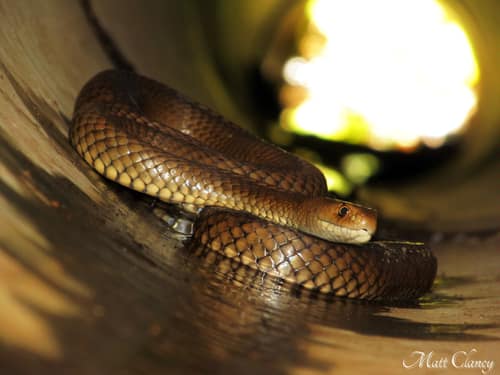
Competitor (c) Matt, some rights reserved (CC BY) · cc-by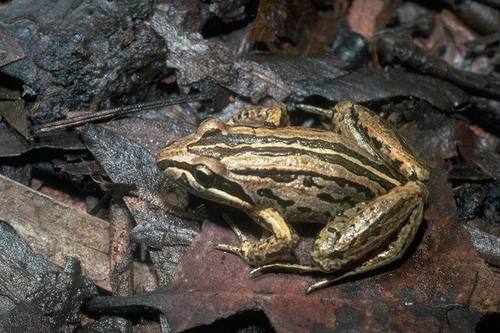
Prey (c) Jean-Marc Hero, some rights reserved (CC BY-SA) · cc-by-sa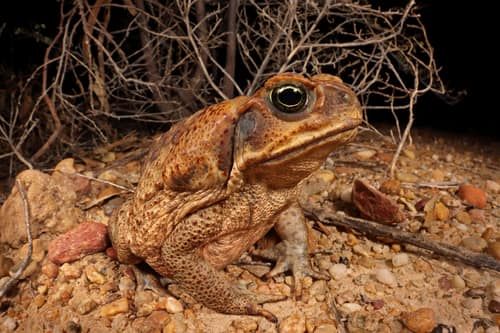
Competitor (c) Connor Margetts, some rights reserved (CC BY), uploaded by Connor Margetts · cc-by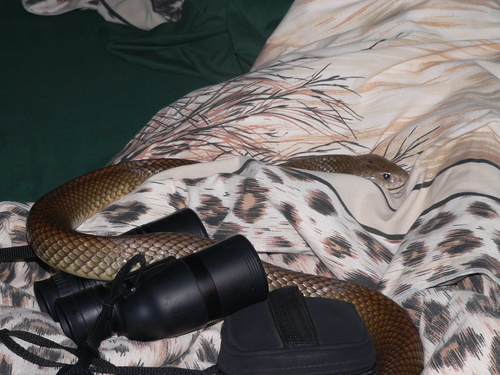
Close Relative (c) Belinda Forbes, some rights reserved (CC BY) · cc-by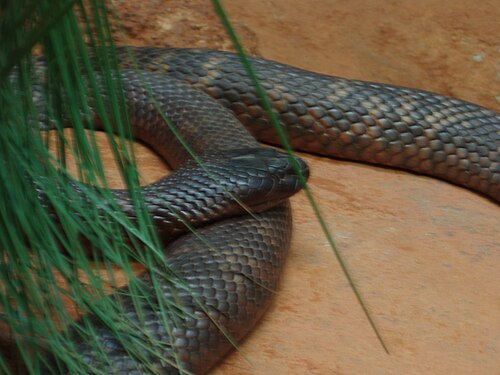
Close Relative Taipan198 / CC BY-SA 3.0 · cc-by-sa
Help improve the field guideSomething wrong?
Checking your Fauna account…Report a name, category, or profile issue for review.