
Reptile
Yellow-faced Whipsnake
Demansia psammophisAlso known as Yellow-faced Whip Snake
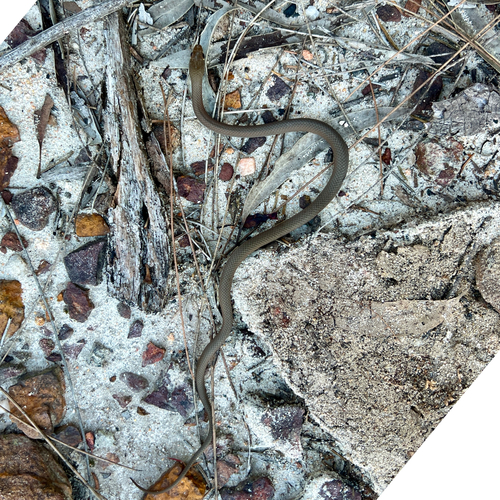
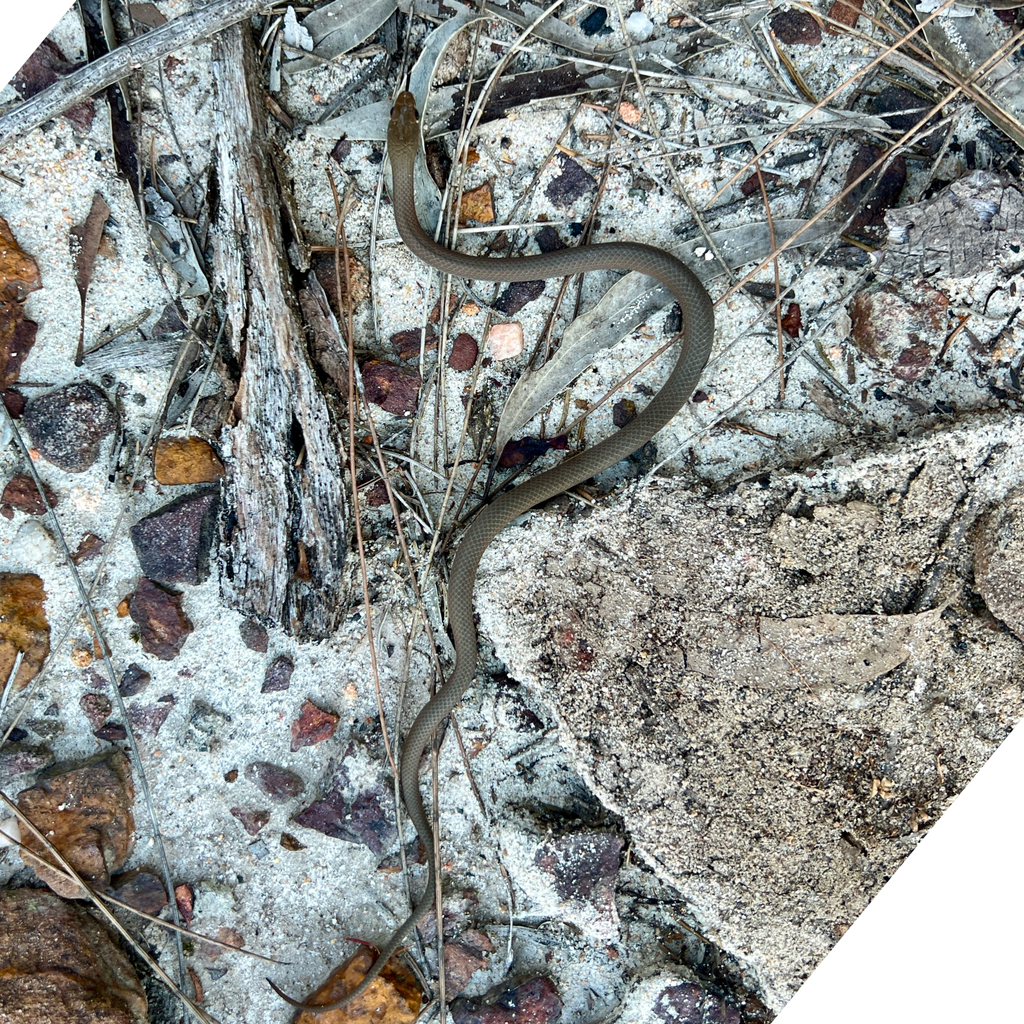
Yellow-faced whipsnakes are slender, swift-moving diurnal predators that hunt visually, often perching their forebodies upright like periscopes to scan for skinks across open ground. When startled, they bolt into rock crevices, leaf litter, or dense spinifex clumps with astonishing speed. Gravid females frequently gather at communal nesting sites in deep rock fissures, where dozens of eggs from multiple mothers incubate together through the warm summer months.
DiurnalReptileFast-moving
—observations
—countries
—peak records
Least ConcernConservation statusIUCN Red List categoriesLCNTVUENCREWEXLeast ConcernRed List categories, explained →
Diet & preyEastern Striped Skink, Dragon Lizards, Lizard Eggs
Predators
- Laughing Kookaburra
- Lace Monitor
- Feral Cat
ThreatsHabitat clearing, predation by feral cats, and vehicle strikes
HabitatsOpen woodlands, coastal heaths, arid shrublands, and rocky outcrops
Life span10–15 years
Classification
- FamilyElapidae
- GenusDemansia
- SpeciesDemansia psammophis
Range data is not available yet.
Interaction riskVery high
- Low
- Moderate
- High
- Very high
- Why interaction risk is very high
- Bites deliver venom causing intense local pain and swelling; observe safely from a distance.
- Why it is dangerous
- Bites inject venom containing mild neurotoxins and myotoxins that cause severe localized pain, rapid swelling, and localized stiffness.
- How to recognize a risky encounter
- Recognizable by the pale yellow comma-shaped marking curving around the eye and a dark tear-stripe below the pupil.
- What to do
- Freeze immediately if stumbled upon, allow it space to retreat, and never attempt to handle or capture it.
Responsible observation
- Keep Your Distance: Admire from at least two meters away to avoid triggering an aggressive defensive display.
- Wear Sturdy Boots: Use closed footwear and long pants when walking through tall grass or rocky outcrops.
- Provide an Escape Path: Freeze and let the snake dart away, as it will almost always choose rapid retreat over confrontation.
 Image unavailable
Same Genus 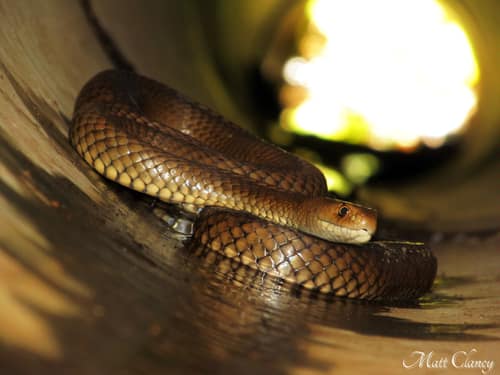
Look-alike (c) Matt, some rights reserved (CC BY) · cc-by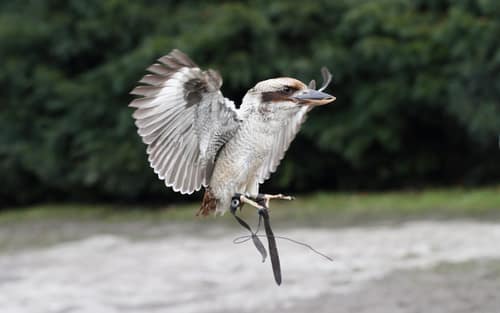
Predator (c) mcamcamca, some rights reserved (CC BY-SA) · cc-by-saPrey Close Relative
Help improve the field guideSomething wrong?
Checking your Fauna account…Report a name, category, or profile issue for review.