
Reptile
Parson's Chameleon
Calumma parsoniiAlso known as Parson's Giant Chameleon
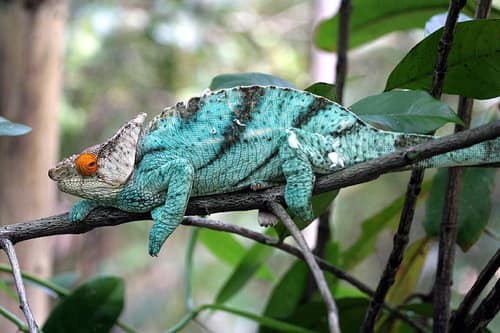
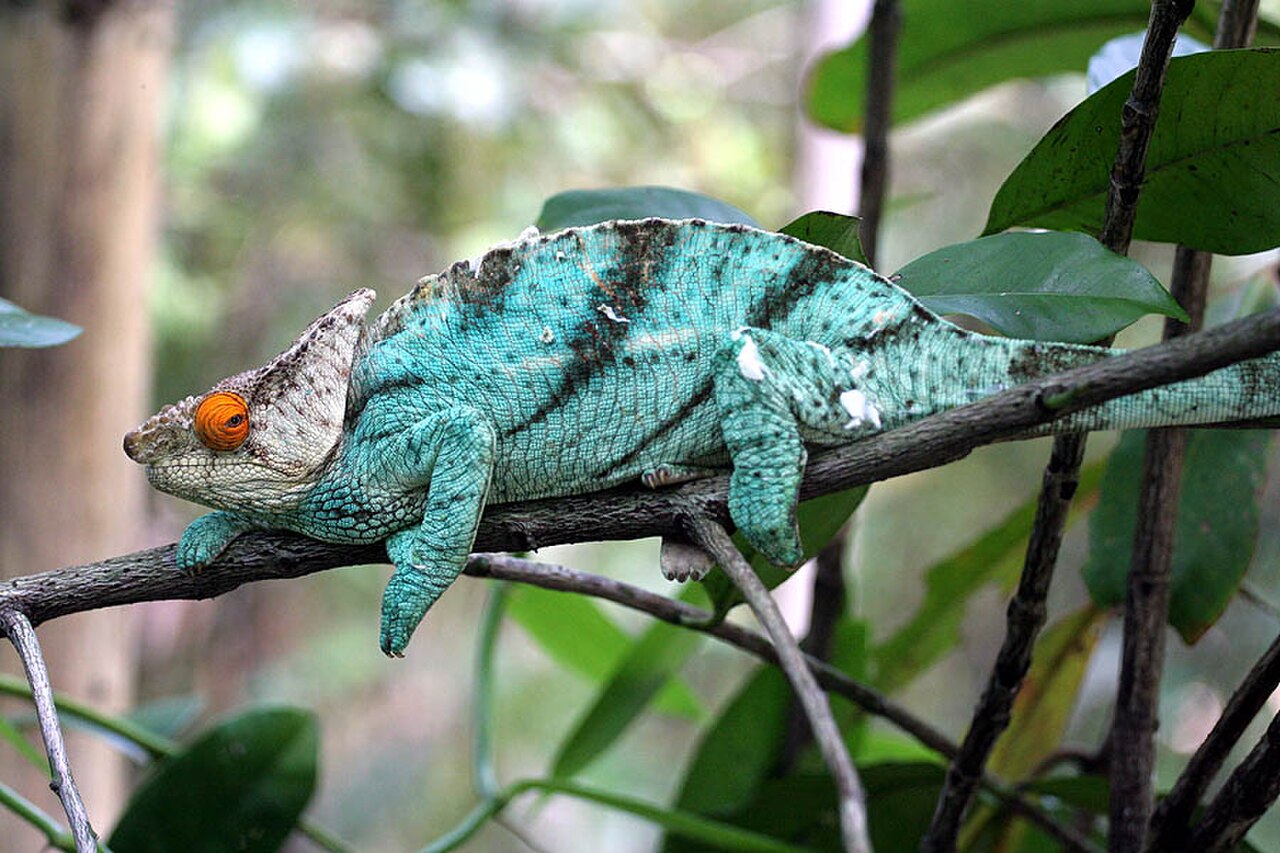
Parson's chameleons are among the largest and heaviest chameleons in the world, moving with deliberate, slow-motion grace through the humid canopy of Madagascar. Males are distinguished by ridge-like structures above their eyes that project forward into blunt horns, alongside a stunning palette of turquoise, green, and yellow. These gentle giants lead exceptionally slow-paced lives, taking up to three years to reach sexual maturity and spending their days waiting in ambush for passing prey.
ArborealGiantCamouflaged
—observations
—countries
—peak records
Near ThreatenedConservation statusIUCN Red List categoriesLCNTVUENCREWEXNear ThreatenedRed List categories, explained →
Diet & preyInsects, Small lizards, Chicks
Predators
- Birds of prey
- Large snakes
- Carnivorous mammals
ThreatsHabitat loss from slash-and-burn agriculture, logging, and illegal pet trade collection
HabitatsHumid primary forests, montane rainforests, and disturbed wooded areas
Life span10 to 15 years in the wild, up to 20 years in captivity
Classification
- FamilyChamaeleonidae
- SpeciesCalumma parsonii
Native
Interaction riskLow
- Low
- Moderate
- High
- Very high
- Why interaction risk is low
- Capable of a powerful, painful bite if cornered or handled; observe from a respectful distance.
- What to notice
- Recognizable by its massive size, heavy casque, and the male's prominent paired rostral appendages.
- Support conservation
- Never disturb nesting females or attempt to capture wild individuals; support local forest conservation initiatives.
Responsible observation
- Scan the canopy: Look for their massive, slow-moving shapes high in the branches of primary rainforest trees.
- Watch the eyes: Observe how their independently mobile eyes scan the environment without the lizard moving its head.
- Keep your distance: Avoid attempting to touch or hold them, as they stress easily and can deliver a painful bite.
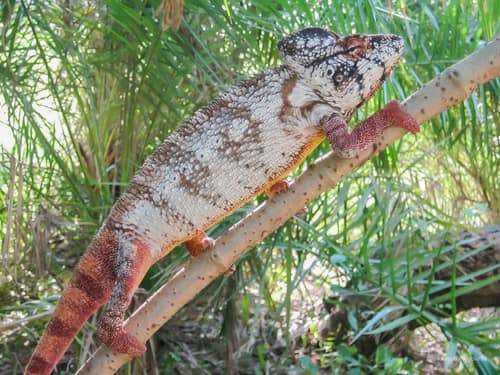
Co-occurring Giant (c) Ioannis Magouras, some rights reserved (CC BY), uploaded by Ioannis Magouras · cc-by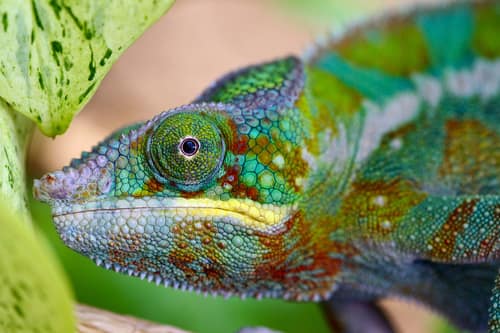
Co-occurring Species (c) McBeul, some rights reserved (CC BY) · cc-by Image unavailable
Close Relative Close Relative
Help improve the field guideSomething wrong?
Checking your Fauna account…Report a name, category, or profile issue for review.