
Reptile
Pelagic Gecko
Nactus pelagicusAlso known as Pacific Slender-toed Gecko, Rock Gecko
Pelagic geckos are agile, ground-dwelling lizards easily distinguished from most house geckos by their slender, clawed toes that lack adhesive climbing pads. Across much of their vast remote Pacific range, populations consist entirely of females that reproduce through parthenogenesis, producing exact genetic clones without male fertilization. They spend the daylight hours concealed beneath fallen logs, leaf litter, and limestone crevices, emerging after dusk to forage actively across the forest floor.
NocturnalParthenogeneticTerrestrial
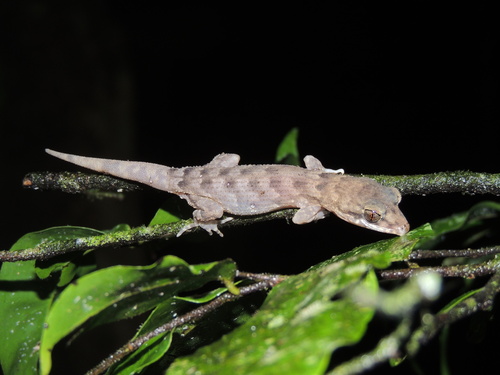
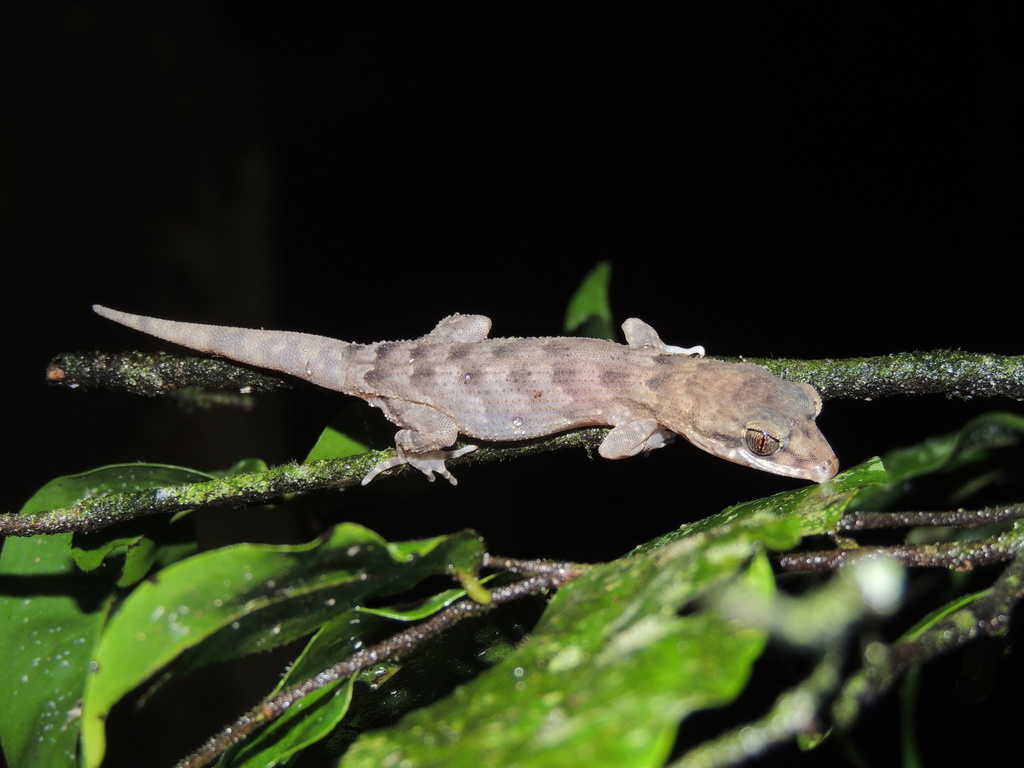
—observations
—countries
—peak records
Least ConcernConservation statusIUCN Red List categoriesLCNTVUENCREWEXLeast ConcernRed List categories, explained →
Diet & preyCrickets, Spiders, Small beetles
Predators
- Feral cats
- Rats
- Kingfishers
ThreatsPredation by invasive mammals, introduced predatory ants, and severe typhoons
HabitatsTropical rainforest floor, coastal scrub, rocky outcrops, and limestone karst
Life span3–7 years
Classification
- FamilyGekkonidae
- SpeciesNactus pelagicus
Range data is not available yet.
Interaction riskLow
- Low
- Moderate
- High
- Very high
- Why interaction risk is low
- Safe to observe at a normal distance.
Responsible observation
- Spotting: Scan lower tree buttresses and forest leaf litter after nightfall using a headlamp.
- Observation: Approach slowly and quietly, as ground vibrations cause them to dart into cover.
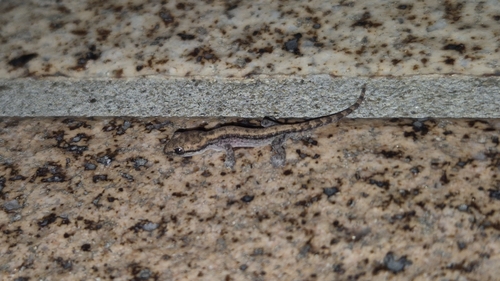
Competitor (c) karliatje, some rights reserved (CC BY) · cc-by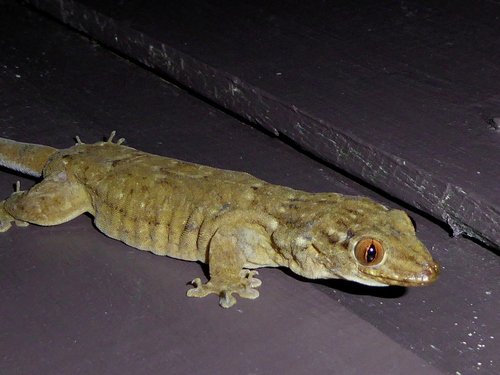
Frequent Companion (c) Kai Squires, some rights reserved (CC BY), uploaded by Kai Squires · cc-by Image unavailable
Close Relative
Help improve the field guideSomething wrong?
Checking your Fauna account…Report a name, category, or profile issue for review.