
Reptile · GBIF taxon 2444570
Himalayan Pitviper
Gloydius himalayanusAlso known as Himalayan Viper, Himalayan Ground Viper
Himalayan pitvipers are highly adapted alpine reptiles capable of surviving at higher altitudes than any other snake on Earth. They rely on specialized heat-sensing pit organs located between their eyes and nostrils to detect warm-blooded prey in freezing conditions. Dense ground coloration of greyish-brown blotches allows them to blend seamlessly into rocky Himalayan slopes, where they spend morning hours basking on sun-exposed scree.
High AltitudeVenomousAlpine
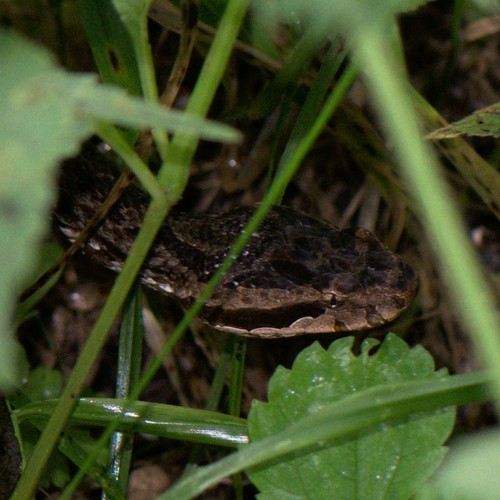
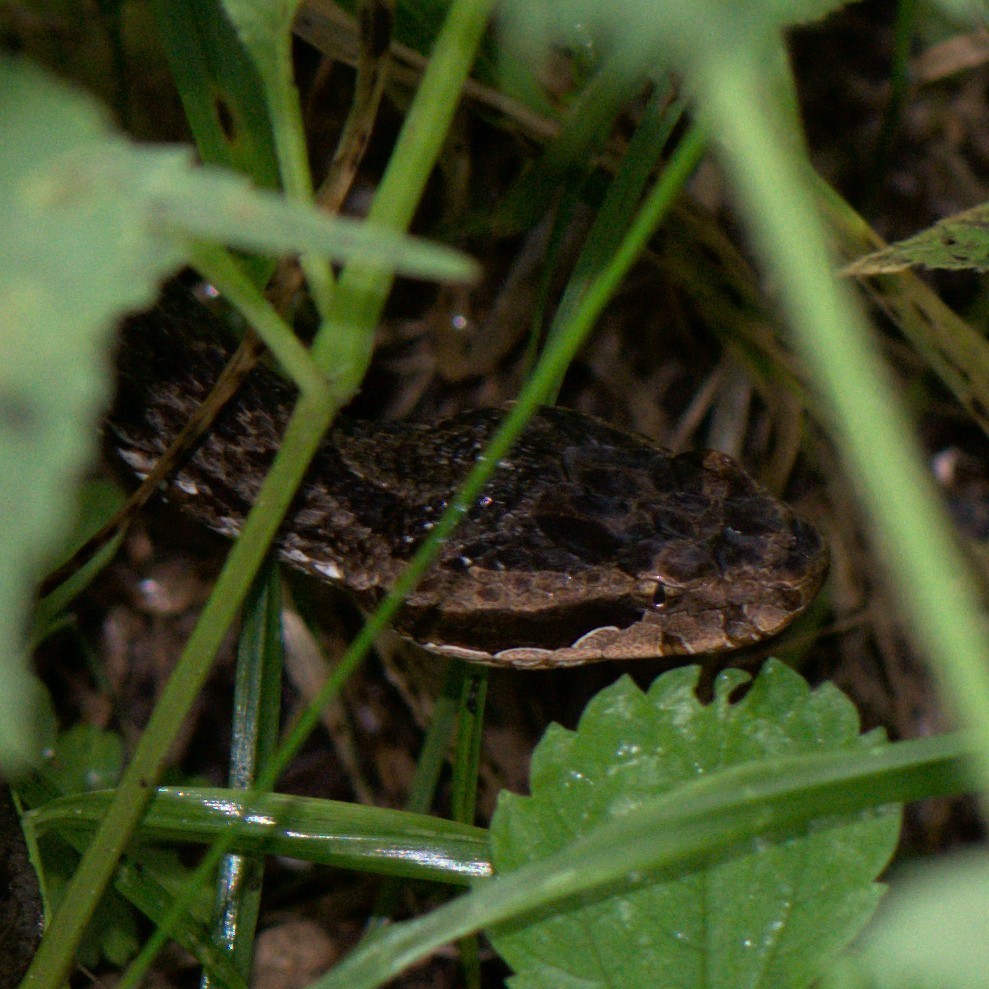 1 / 7
1 / 7—observations
—countries
—peak records
Least ConcernConservation statusIUCN Red List categoriesLCNTVUENCREWEXLeast ConcernRed List categories, explained →
Diet & prey
- Small Rodents
- Lizards
- Frogs
Predators
- Raptors
- Corvids
- Small Carnivores
ThreatsHabitat degradation and direct persecution by humans
HabitatsAlpine meadows, coniferous forests, rocky scree slopes
Life span10–15 years
Classification
- FamilyViperidae
- SpeciesGloydius himalayanus
Range data is not available yet.
Interaction riskVery high
- Low
- Moderate
- High
- Very high
- Why interaction risk is very high
- Venomous bite causes severe pain and localized swelling; maintain a safe distance and never attempt handling.
- Why it is dangerous
- Injects cytotoxic and hemotoxic venom that breaks down tissue and causes severe pain, swelling, and localized necrosis.
- How to recognize a risky encounter
- Recognizable by a triangular head, heat-sensing facial pits, and greyish-brown blotched patterns on a stout body.
- What to do
- Freeze and back away slowly if encountered on a trail; never reach under rocks or log piles without looking.
Responsible observation
- Rocky Trails: Watch your step on exposed scree slopes and around loose stones where snakes bask.
- Safe Distance: Maintain at least two meters clearance to avoid provoking a defensive strike.
- Cold Mornings: Expect slower movement in early daylight before the snake warms up under the sun.
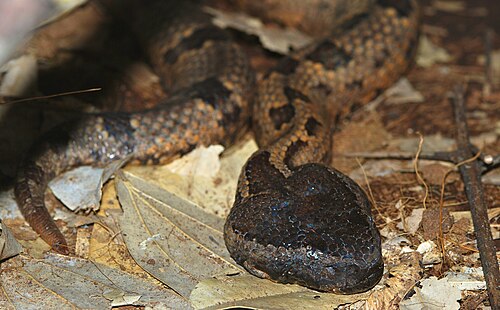
Co-occurring Viper Bernard DUPONT from FRANCE / CC BY-SA 2.0 · cc-by-sa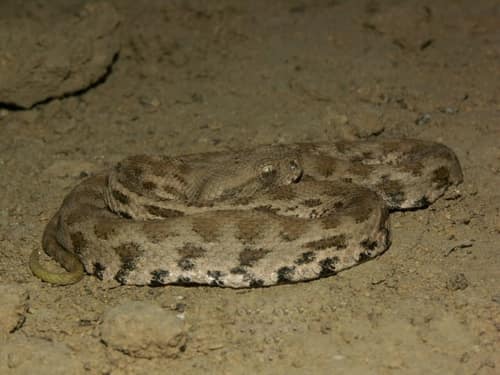
Regional Viper Václav Gvoždík / CC BY-SA 2.5 · cc-by-sa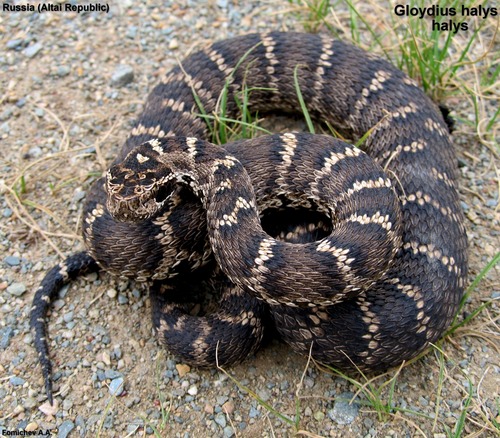
Close Relative (c) Alexander A. Fomichev, some rights reserved (CC BY), uploaded by Alexander A. Fomichev · cc-by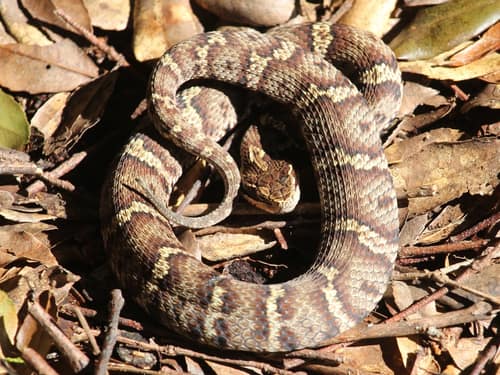
Close Relative (c) Alpsdake, some rights reserved (CC BY-SA) · cc-by-sa
Help improve the field guideSomething wrong?
Checking your Fauna account…Report a name, category, or profile issue for review.