
Reptile · GBIF taxon 2444360
Sidewinder
Crotalus cerastesAlso known as Horned Rattlesnake, Sidewinder Rattlesnake
Sidewinders navigate loose desert sand using a unique lateral looping motion that leaves distinctive J-shaped tracks. These pit vipers often submerge themselves in soft windblown sand, leaving only their eyes and horn-like scales exposed to ambush passing prey. Primarily nocturnal during scorching summer months, they rely on heat-sensing facial pits to hunt small rodents in total darkness.
NocturnalVenomousReptile
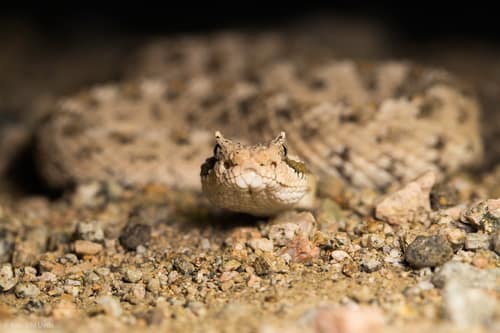
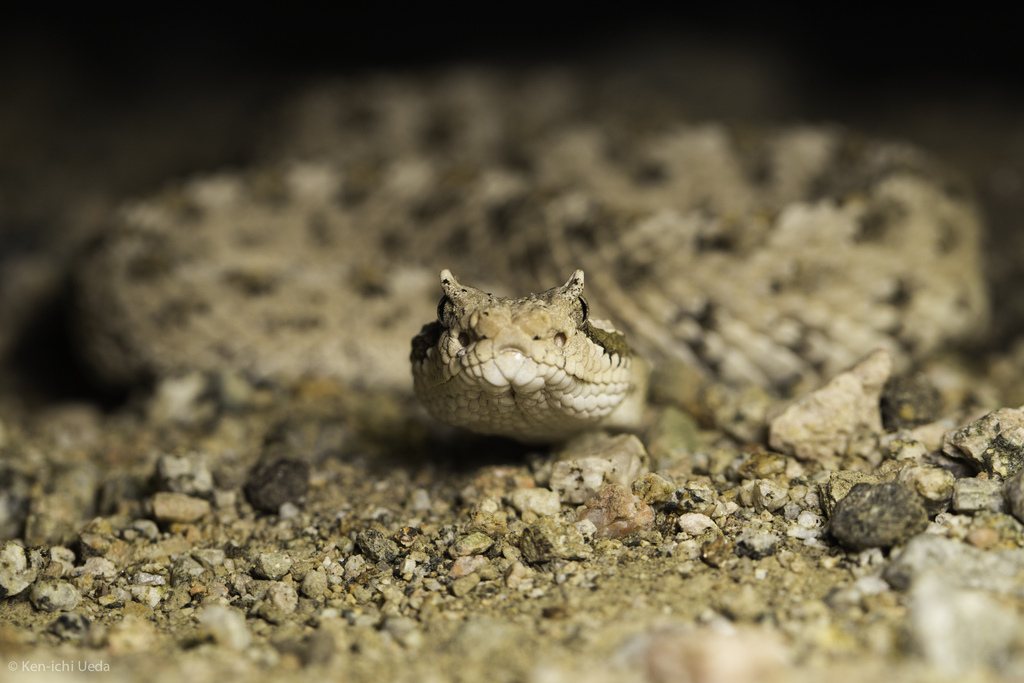
—observations
—countries
—peak records
Least ConcernConservation statusIUCN Red List categoriesLCNTVUENCREWEXLeast ConcernRed List categories, explained →
Diet & prey
- Kangaroo Rat
- Whiptail Lizard
- Pocket Mouse
Predators
- Roadrunner
- Coyote
- Red-tailed Hawk
ThreatsHabitat destruction, vehicle collisions
HabitatsArid sand dunes, gravelly desert flats, washes
Life span10–15 years
Size / weightNot available
Classification
- FamilyViperidae
- SpeciesCrotalus cerastes
Range data is not available yet.
Interaction riskVery high
- Low
- Moderate
- High
- Very high
- Why interaction risk is very high
- Possesses potent hemotoxic venom; maintain a respectful distance and watch your step in sand dunes.
- Why it is dangerous
- Delivers hemotoxic venom through hollow fangs, causing severe pain, swelling, and tissue damage.
- How to recognize a risky encounter
- Look for distinctive horn-like scales above each eye and J-shaped tracks across loose sand.
- What to do
- Maintain a distance of at least two body lengths and back away slowly if encountered.
Responsible observation
- Watch Your Step: Look for J-shaped tracks in soft sand to spot hidden snakes.
- Give Space: Step back immediately if you hear a rattle or see a coiled threat posture.
- Use a Light: Carry a flashlight when walking through desert habitats at night.
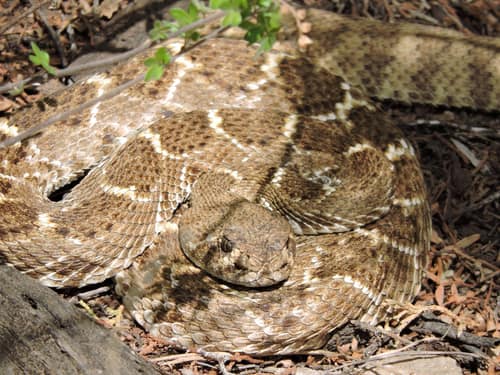
Close Relative (c) Sam Kieschnick, some rights reserved (CC BY), uploaded by Sam Kieschnick · cc-by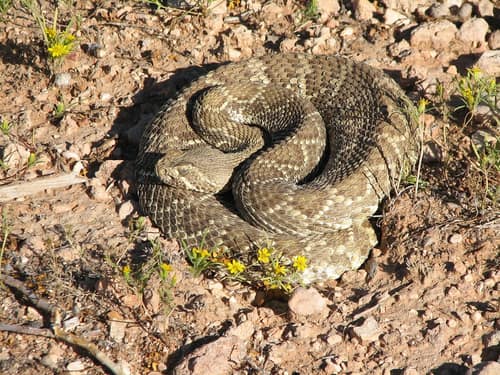
Close Relative "Mojave rattlesnake" by BLM Nevada is licensed under CC BY 2.0. To view a copy of this license, visit https://creativecommons.org/licenses/by/2.0/. · cc-by
Close Relative Marshal Hedin / CC BY-SA 2.5 · cc-by-sa
Help improve the field guideSomething wrong?
Checking your Fauna account…Report a name, category, or profile issue for review.