
Reptile
Western Diamondback
Crotalus atroxAlso known as Western Diamond-Backed Rattlesnake, Texas Diamondback, Coontail Rattler
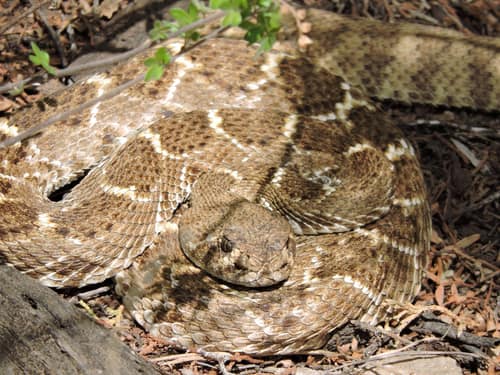
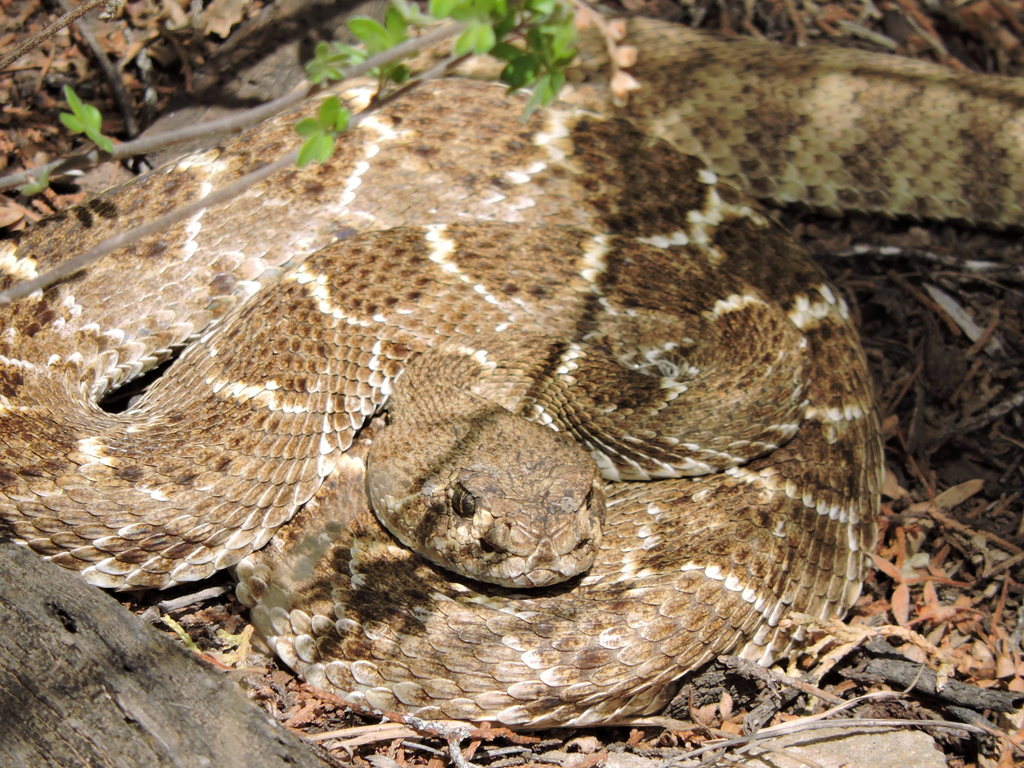
Western diamondback rattlesnakes are heavy-bodied pit vipers renowned for their striking brown diamond markings and distinctively banded black-and-white tails. They spend hot desert days coiling in shade or animal burrows, emerging at dusk to hunt warm-blooded prey using heat-sensing facial pits. When threatened, they coil tightly, rattle their modified tail segments in warning, and strike with high speed.
VenomousReptileCrepuscular
—observations
—countries
—peak records
Least ConcernConservation statusIUCN Red List categoriesLCNTVUENCREWEXLeast ConcernRed List categories, explained →
Diet & preyKangaroo Rats, Cottontail Rabbits, Ground Squirrels
Predators
- Roadrunners
- Red-Tailed Hawks
- Kingsnakes
ThreatsHabitat loss, human persecution, rattlesnake roundups, road mortality
HabitatsDeserts, arid scrublands, canyons, rocky hillsides
Life span15–20 years in the wild
Classification
- FamilyViperidae
- GenusCrotalus
- SpeciesCrotalus atrox
Range data is not available yet.
Interaction riskVery high
- Low
- Moderate
- High
- Very high
- Why interaction risk is very high
- Possesses potent hemotoxic venom; keep a respectful distance of at least two body lengths and never approach.
- Why it is dangerous
- Injects potent hemotoxic venom containing proteolytic enzymes that cause severe tissue damage, intense pain, internal bleeding, and systemic shock.
- How to recognize a risky encounter
- Look for brown diamond patterns edged in white along the back, capped by a tail with stark, alternating black and white bands.
- What to do
- Never attempt to touch, catch, or relocate a wild individual; freeze and step back slowly if encountered on a trail.
Responsible observation
- Give Space: Maintain a distance of at least twice the snake's body length to stay out of strike range.
- Watch Your Step: Watch feet and hands carefully when walking around desert rocks, fallen logs, or high grass.
- Listen Carefully: Retreat immediately if you hear a dry buzzing sound, which indicates a defensive warning.
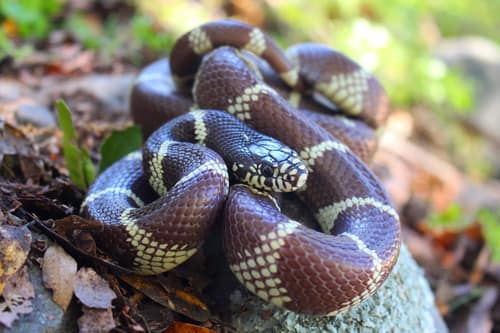
Predator (c) Connor Long, some rights reserved (CC BY-SA) · cc-by-sa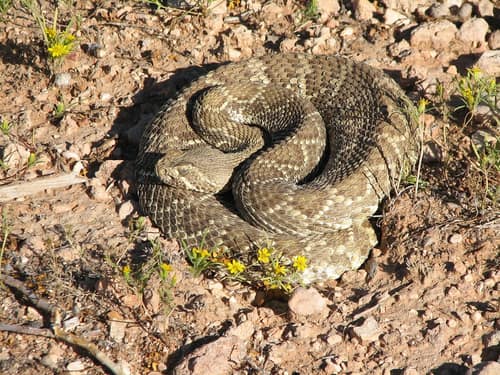
Look-Alike "Mojave rattlesnake" by BLM Nevada is licensed under CC BY 2.0. To view a copy of this license, visit https://creativecommons.org/licenses/by/2.0/. · cc-by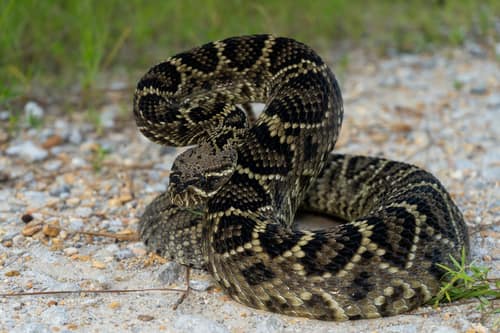
Close Relative (c) evangrimes, some rights reserved (CC BY) · cc-by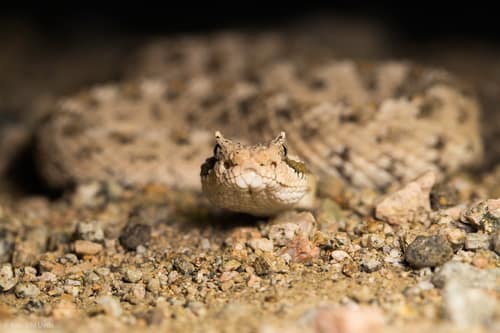
Genus Relative (c) Ken-ichi Ueda, some rights reserved (CC BY) · cc-by
Keep collecting in Fauna
Found in Collections
Ecosystem chain Pro
Desert Sands
Western Diamondback is found in this collection. Identify it in Fauna to fill this slot and continue your progress.
Unlock to track progress
Help improve the field guideSomething wrong?
Checking your Fauna account…Report a name, category, or profile issue for review.