
Reptile · GBIF taxon 2443833
Persian Horned Viper
Pseudocerastes persicusAlso known as False Horned Viper, Persian Horned Adder, Middle Eastern Horned Viper
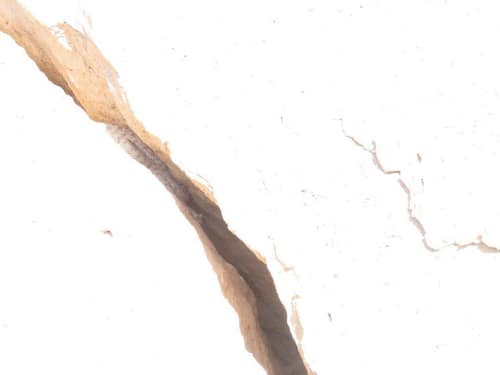
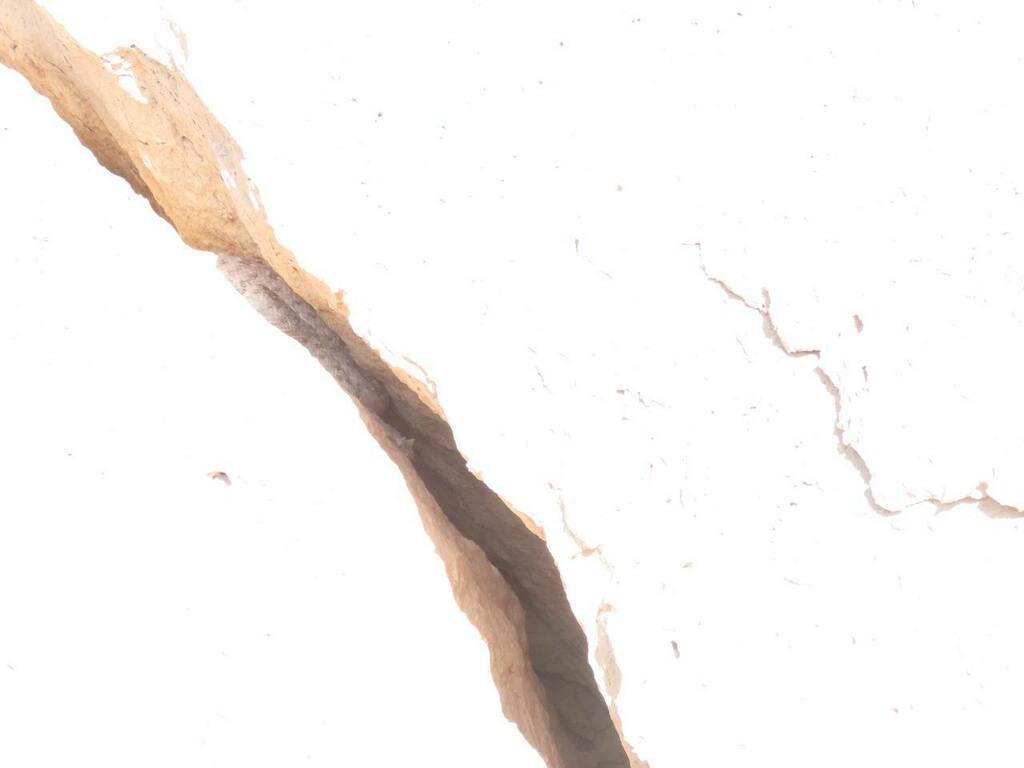
Persian horned vipers blend seamlessly into rocky outcrops and arid hillslopes across the Middle East, using soft horn-like scales above each eye to break up their head silhouette. These patient ambush predators spend long hours motionless beside desert boulders, awaiting unsuspecting rodents and lizards. When threatened, they rub their keeled scales together to produce a rasping warning sound while coiling tightly.
VenomousCamouflagedReptile
—observations
—countries
—peak records
Least ConcernConservation statusIUCN Red List categoriesLCNTVUENCREWEXLeast ConcernRed List categories, explained →
Diet & prey
- Small rodents
- Lizards
- Small birds
Predators
- Birds of prey
- Monitor lizards
- Larger snakes
ThreatsHabitat destruction, human persecution, road mortality
HabitatsArid mountains, rocky hillslopes, desert scrub, gravel plains
Life span10–15 years
Size / weightNot available
Classification
- FamilyViperidae
- SpeciesPseudocerastes persicus
Range data is not available yet.
Interaction riskVery high
- Low
- Moderate
- High
- Very high
- Why interaction risk is very high
- Possesses potent venom capable of causing severe envenomation; maintain a safe distance at all times.
- Why it is dangerous
- Produces potent venom causing tissue damage, severe pain, swelling, and systemic complications requiring urgent medical intervention.
- How to recognize a risky encounter
- Recognizable by tufts of small scales forming horn-like projections above eyes and a heavy, sand-colored patterned body.
- What to do
- Never touch or corner this snake; freeze if encountered on a trail and retreat slowly.
Responsible observation
- Observe from Distance: Maintain a clearance of several meters to avoid inducing stress or defensive strikes.
- Watch Your Step: Scan rocky ground carefully when hiking through arid mountain habitats.
- Leave Crevices Alone: Never reach unseeingly into rock fissures where snakes retreat during daylight.
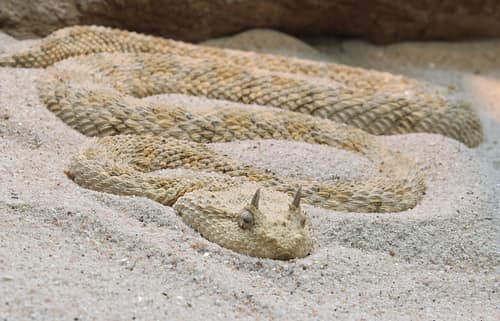
Ecological Counterpart Holger Krisp / CC BY 3.0 · cc-by Image unavailable
Close Relative
Help improve the field guideSomething wrong?
Checking your Fauna account…Report a name, category, or profile issue for review.