
Reptile · GBIF taxon 2443374
Caspian Turtle
Mauremys caspicaAlso known as Striped-Neck Terrapin, Caspian Terrapin
Caspian turtles thrive in permanent freshwater bodies, spending warm hours basking on rocks and mudbanks before slipping silently into the water when startled. Distinctive pale yellow or cream stripes line their dark head, neck, and forelimbs, matching an olive to brownish carapace. Highly adaptable omnivores, they patrol shallow waters for small aquatic animals, fallen fruits, and water plants.
Semi-AquaticBaskingFreshwater
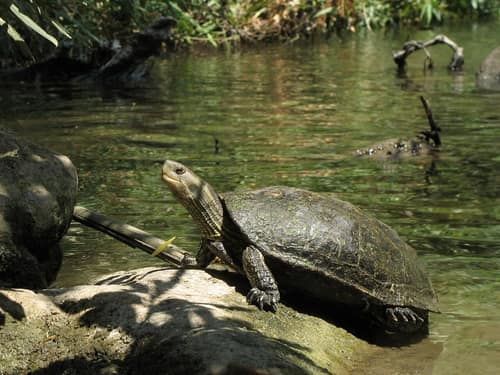
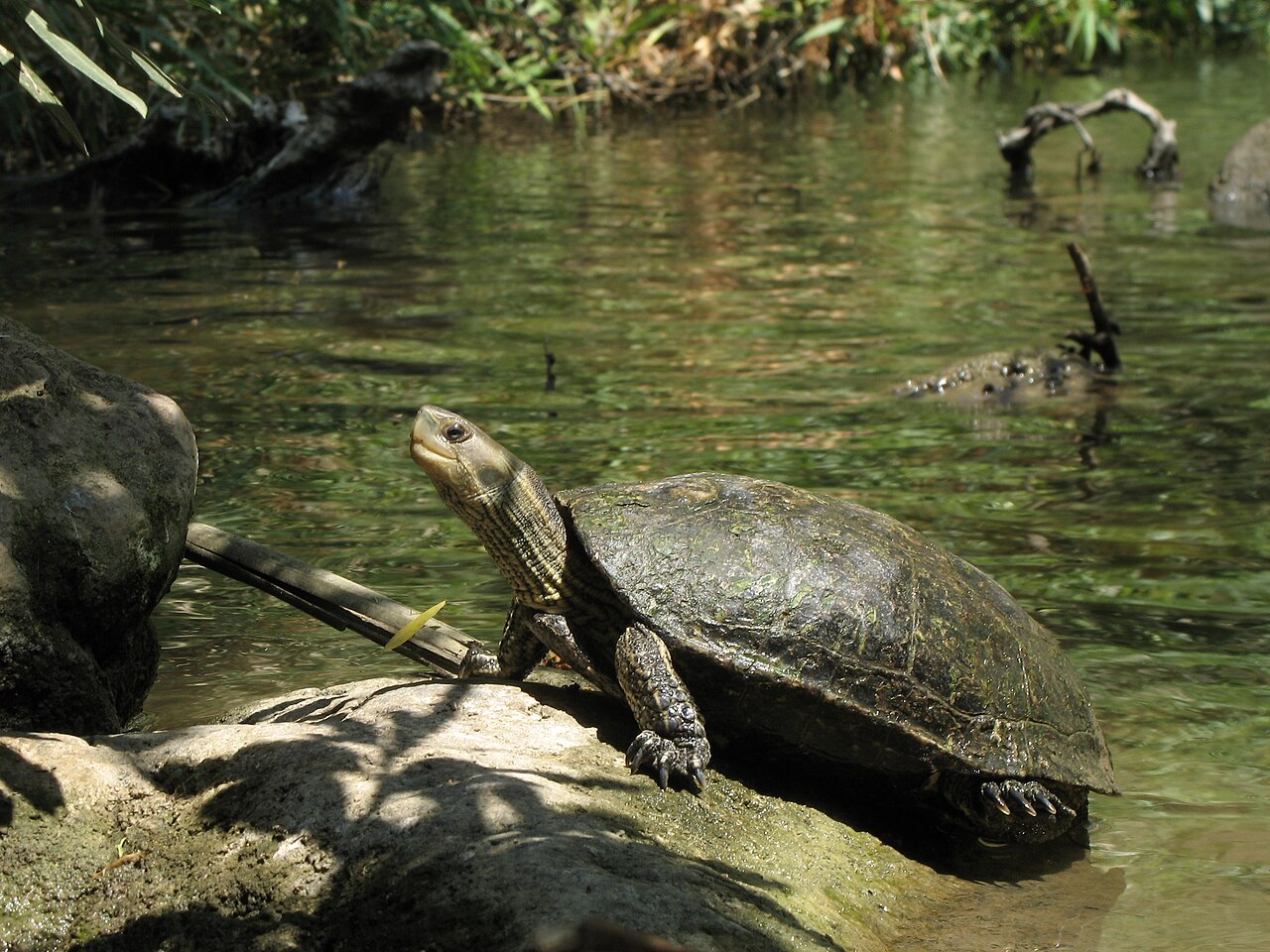
—observations
—countries
—peak records
Least ConcernConservation statusIUCN Red List categoriesLCNTVUENCREWEXLeast ConcernRed List categories, explained →
Diet & prey
- Aquatic insects
- Small fish
- Freshwater plants
Predators
- Birds of prey
- Herons
- Foxes
ThreatsHabitat destruction, water pollution, damming, and vehicle mortality
HabitatsLakes, rivers, ponds, marshes, and irrigation canals
Life span20–30 years
Size / weightNot available
Classification
- FamilyGeoemydidae
- SpeciesMauremys caspica
Range data is not available yet.
Interaction riskLow
- Low
- Moderate
- High
- Very high
- Why interaction risk is low
- May bite or scratch if cornered or grabbed; observe safely from the shore.
- Why it is dangerous
- Jaws are surprisingly strong and can deliver a painful bite if the turtle feels threatened.
- How to recognize a risky encounter
- Look for crisp yellow-to-cream stripes running lengthwise along the dark head, neck, and legs.
- What to do
- Avoid picking up wild individuals, and observe them undisturbed from the water edge.
Responsible observation
- Shoreline Spotting: Scan sunny logs, rocks, and grassy banks near calm water early in the day.
- Approach Quietly: Walk slowly along the bank, as these cautious turtles dive at the first heavy footsteps.
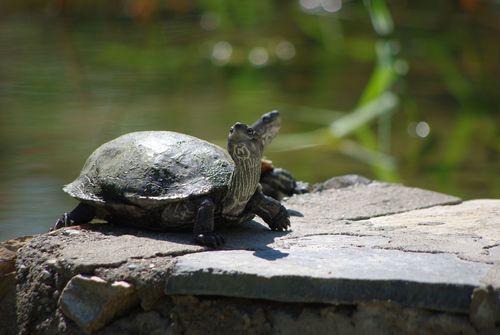
Close Relative (c) Katya, some rights reserved (CC BY), uploaded by Katya · cc-by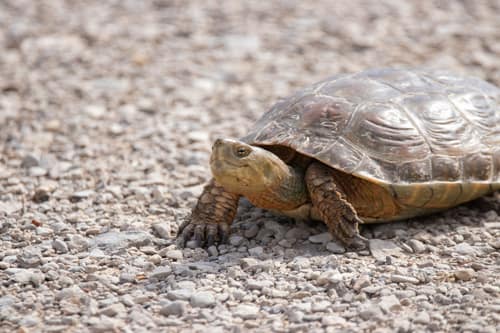
Close Relative (c) Jakob Horz, some rights reserved (CC BY), uploaded by Jakob Horz · cc-by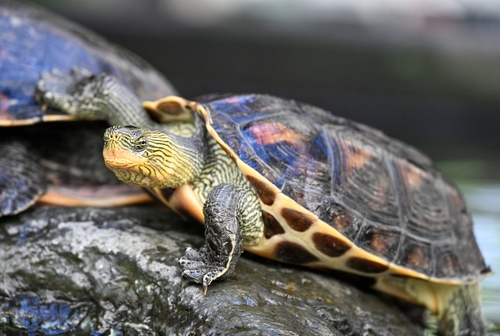
Close Relative (c) Charlotte Kirchner, some rights reserved (CC BY), uploaded by Charlotte Kirchner · cc-by
Help improve the field guideSomething wrong?
Checking your Fauna account…Report a name, category, or profile issue for review.