
Reptile · GBIF taxon 2443341
Spanish Pond Turtle
Mauremys leprosaAlso known as Iberian Pond Turtle, Mediterranean Pond Turtle, Mediterranean Turtle
Spanish pond turtles are semi-aquatic reptiles frequently seen basking on muddy banks, rocks, or floating logs near slow-flowing rivers and ponds. Adults often carry greenish algae or dark bacterial crusts on their shells, a trait that historically inspired their species name. During hot summer droughts, they can bury themselves in wet mud or travel overland to locate surviving pools of water.
Semi-AquaticFreshwaterBasking
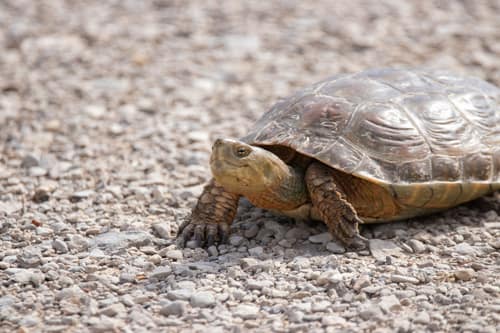
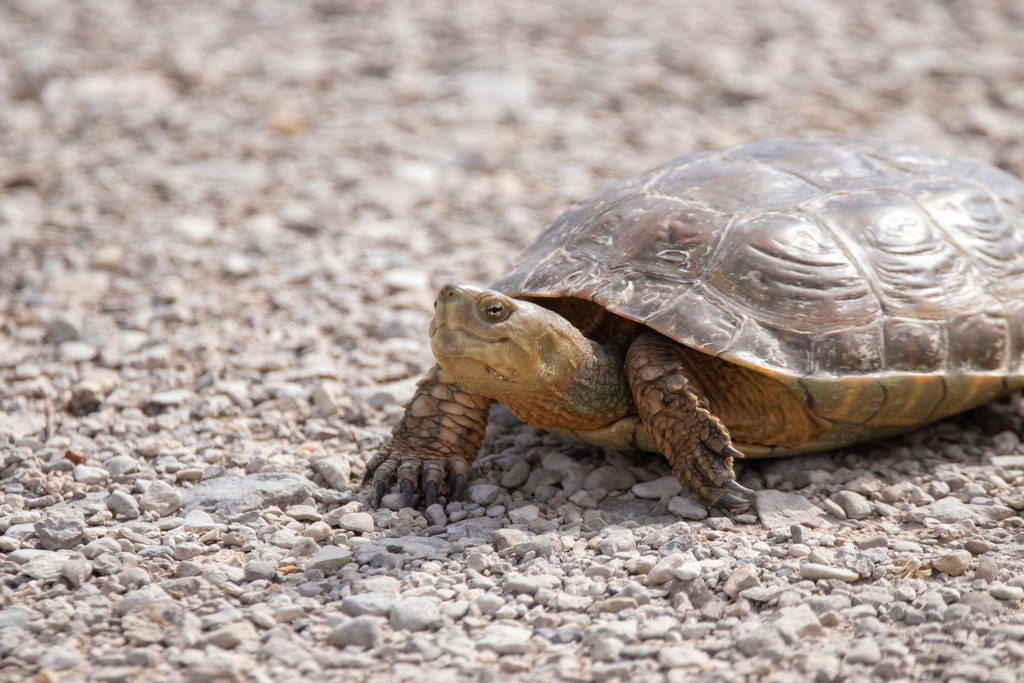 1 / 7
1 / 7—observations
—countries
—peak records
VulnerableConservation statusIUCN Red List categoriesLCNTVUENCREWEXVulnerableRed List categories, explained →
Diet & prey
- Small Fish
- Aquatic Insects
- Tadpoles
Predators
- Herons
- Otters
- Wild Boars
ThreatsHabitat destruction, water pollution, wetland drainage, and invasive competitors
HabitatsSlow-moving streams, ponds, marshes, reservoirs, and ditches
Life span20–40 years
Size / weightNot available
Classification
- FamilyGeoemydidae
- SpeciesMauremys leprosa
Range data is not available yet.
Interaction riskLow
- Low
- Moderate
- High
- Very high
- Why interaction risk is low
- Capable of a defensive bite if handled; observe quietly from the bank.
- What to notice
- Look for an olive to brown carapace, faint orange or yellow striping on the neck, and dark blotches.
- Support conservation
- Observe strictly from a distance without approaching nesting females or disturbing basking sites.
Responsible observation
- Use Binoculars: These turtles are skittish and dive into water at the slightest movement.
- Check Basking Logs: Scan fallen branches along sunny riverbanks during warm mornings.
- Keep Your Distance: Avoid disturbing basking groups or females moving overland to lay eggs.
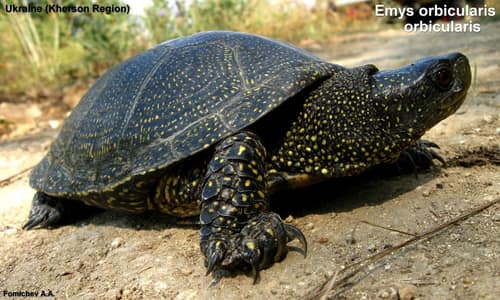
Competitor (c) Alexander A. Fomichev, some rights reserved (CC BY), uploaded by Alexander A. Fomichev · cc-by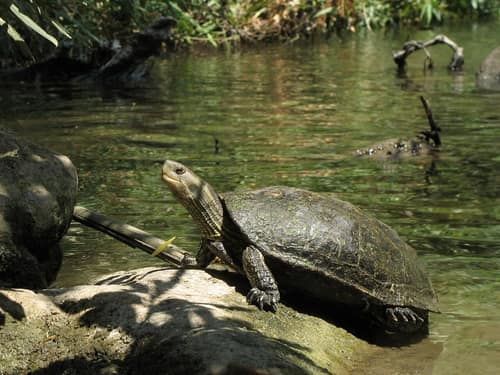
Close Relative Yuvalr / CC BY-SA 3.0 · cc-by-sa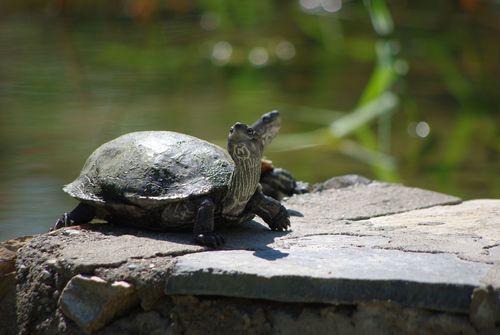
Close Relative (c) Katya, some rights reserved (CC BY), uploaded by Katya · cc-by
Help improve the field guideSomething wrong?
Checking your Fauna account…Report a name, category, or profile issue for review.