
Reptile
Common Box Turtle
Terrapene carolinaAlso known as Eastern Box Turtle, Carolina Box Turtle
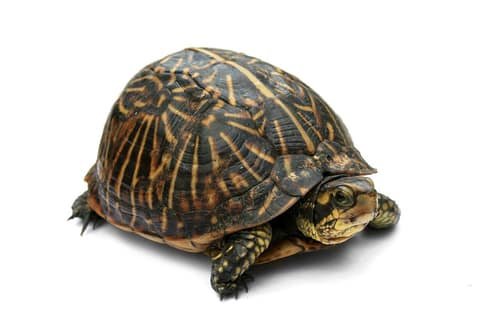
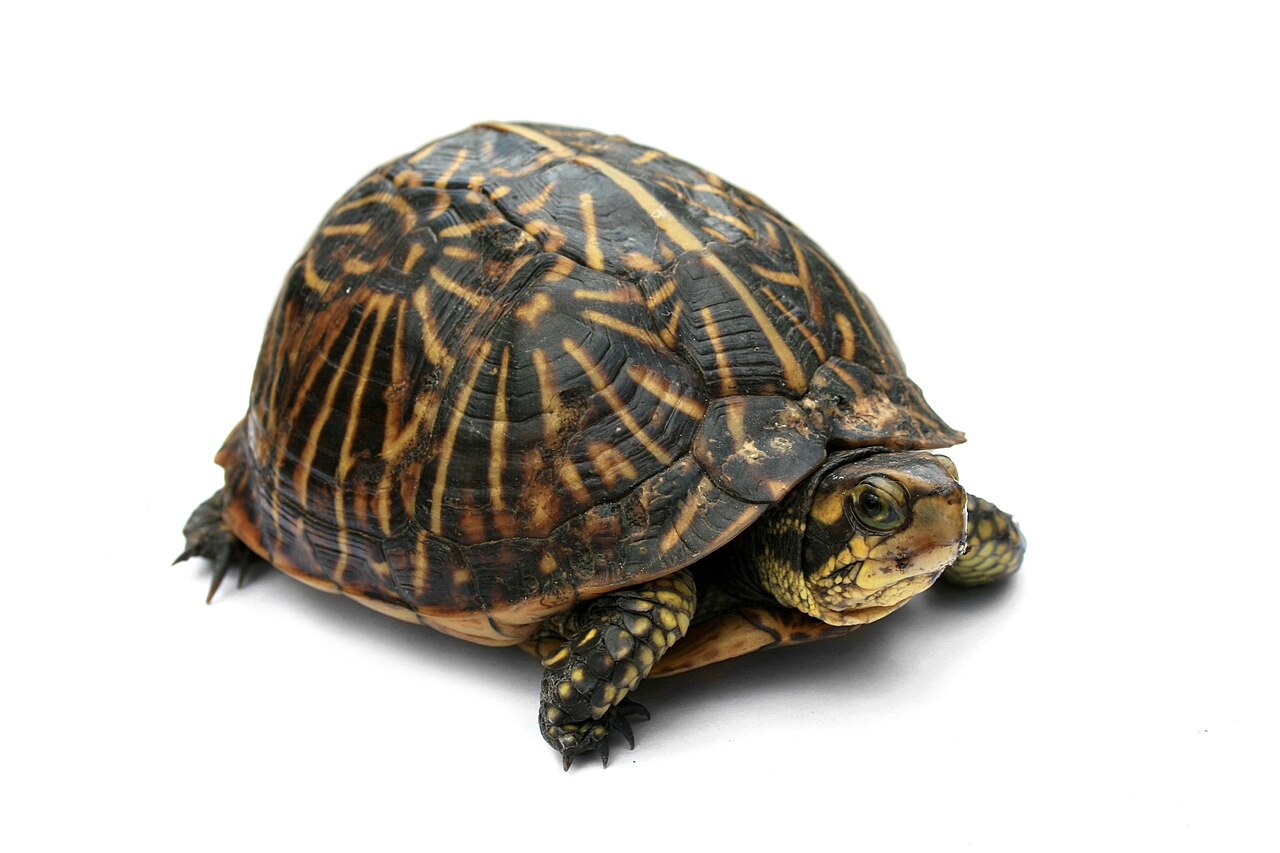
Eastern woodlands and damp meadows ring with the silent wanderings of the Common Box Turtle, a dome-shelled reptile famous for its completely hinged plastron that seals tight when threatened. These long-lived omnivorous reptiles forage slowly through leaf litter for wild berries, mushrooms, and invertebrates while maintaining home ranges they occupy for decades. Males often feature bright red eyes, whereas females typically possess brown or yellow-brown eyes paired with flatter lower shells.
TerrestrialOmnivoreReptile
—observations
—countries
—peak records
VulnerableConservation statusIUCN Red List categoriesLCNTVUENCREWEXVulnerableRed List categories, explained →
Diet & preyEarthworms, Fungi, Blackberries
Predators
- Raccoons
- Skunks
- Coyotes
ThreatsHabitat fragmentation, road mortality, illegal pet trade collection
HabitatsDeciduous forests, damp meadows, brushy fields, forest edges
Life span50–100 years
Classification
- FamilyEmydidae
- GenusTerrapene
- SpeciesTerrapene carolina
Range data is not available yet.
Interaction riskLow
- Low
- Moderate
- High
- Very high
- Why interaction risk is low
- Safe to observe at a normal distance.
- What to notice
- Look for a high-domed carapace with yellow or orange pattern lines and a tightly hinged lower shell.
- Support conservation
- Never relocate a wild box turtle to a new area or take it home as a pet; photograph it where found.
Responsible observation
- Road Crossing: If helping one off a road, always move it in the exact direction it was already heading.
- Leave in Place: Avoid relocating wild turtles, as they often spend their entire lives within a small home range.
- Observation Distance: Observe quietly from a few paces away without picking up the turtle to prevent stress.
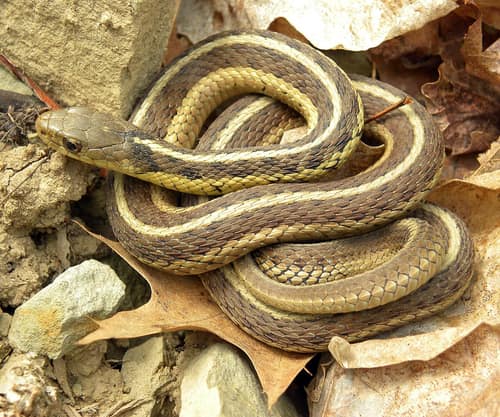
Frequent Companion Wilson44691 / Public domain · cc0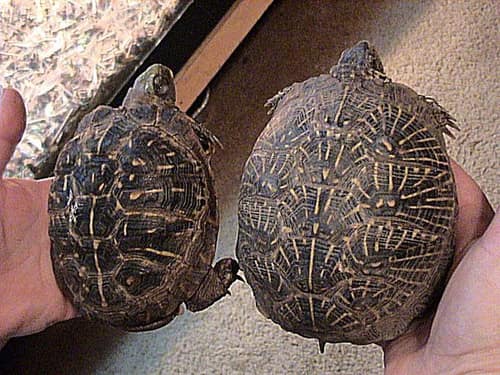
Close Relative The original uploader was Dawson at English Wikipedia. / CC BY-SA 2.5 · cc-by-sa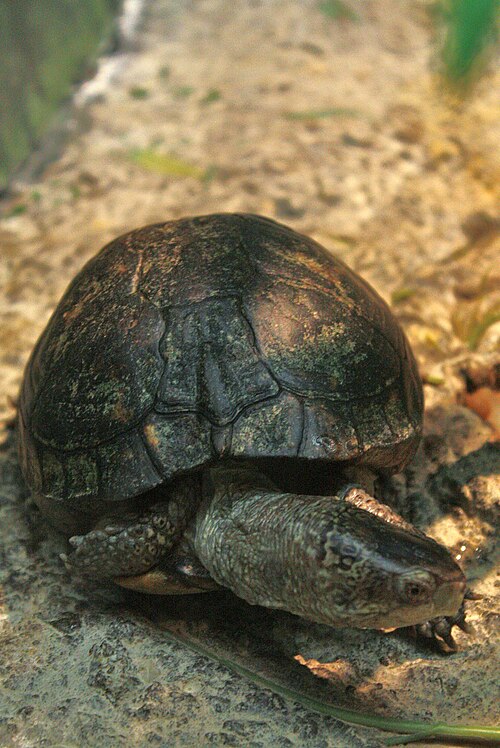
Close Relative User:Postdlf / CC BY-SA 3.0 · cc-by-sa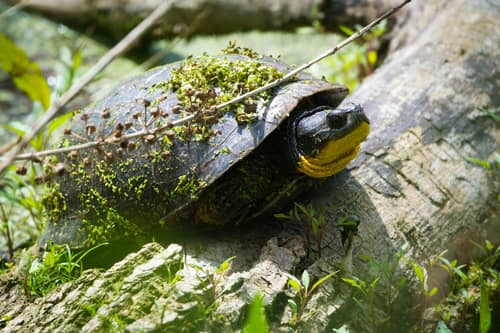
Family Member (c) Andrew C, some rights reserved (CC BY) · cc-by
Help improve the field guideSomething wrong?
Checking your Fauna account…Report a name, category, or profile issue for review.